
The Best Fluffy Pancakes recipe you will fall in love with. Full of tips and tricks to help you make the best pancakes.

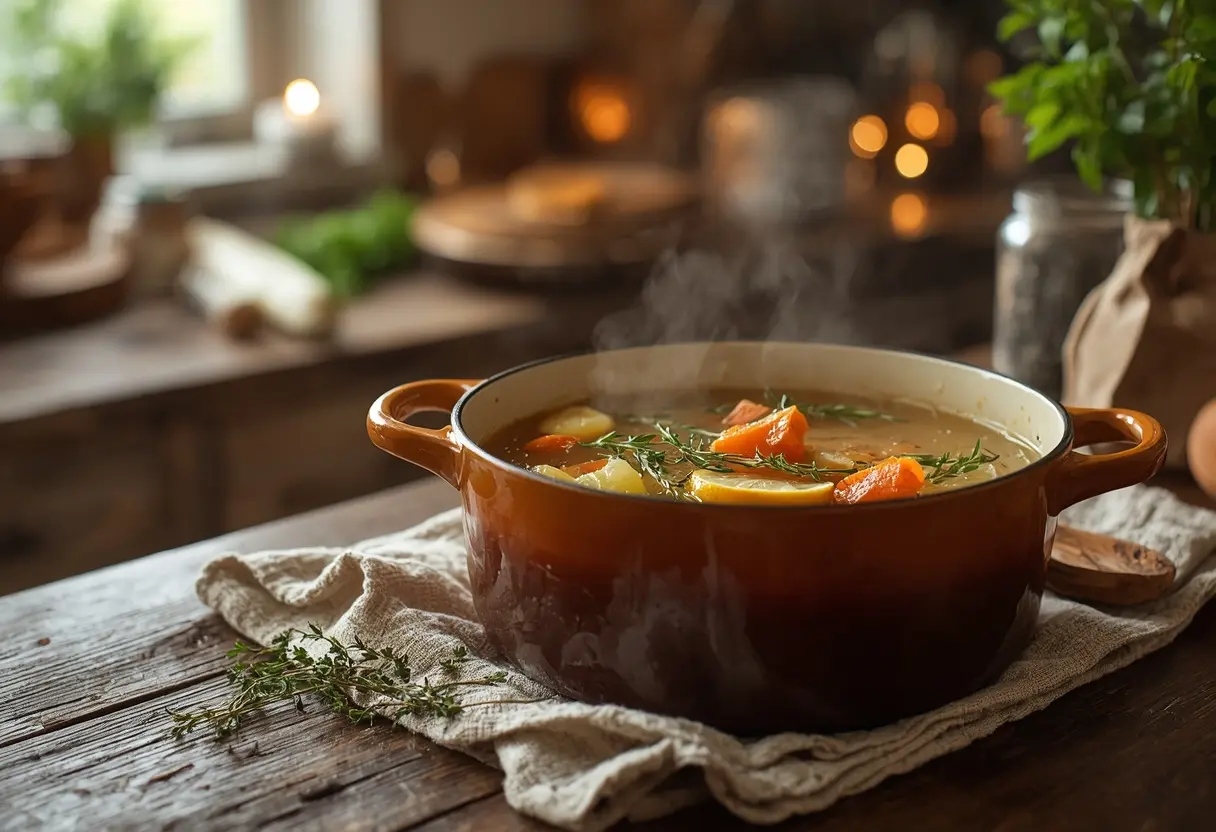
Chicken broth recipe mastery begins with understanding the fundamentals of creating this versatile cooking essential. A well-made homemade broth serves as the foundation for countless soups, sauces, and dishes, offering superior flavor and nutritional benefits compared to store-bought versions. Whether you’re an experienced cook or just starting your culinary journey, this comprehensive guide will help you create restaurant-quality broth in your own kitchen.
This recipe transforms simple ingredients into a rich, golden elixir that’s both economical and packed with flavor. By following our detailed instructions and pro tips, you’ll learn how to consistently produce crystal-clear broth with deep, complex flavors that will elevate any dish it touches.
Prep Time: 20 minutes
Cook Time: 3-4 hours
Total Time: 4 hours 20 minutes
Yield: 3-4 quarts
Diet: Gluten-free, Dairy-free
Contents
hide
Ingredients
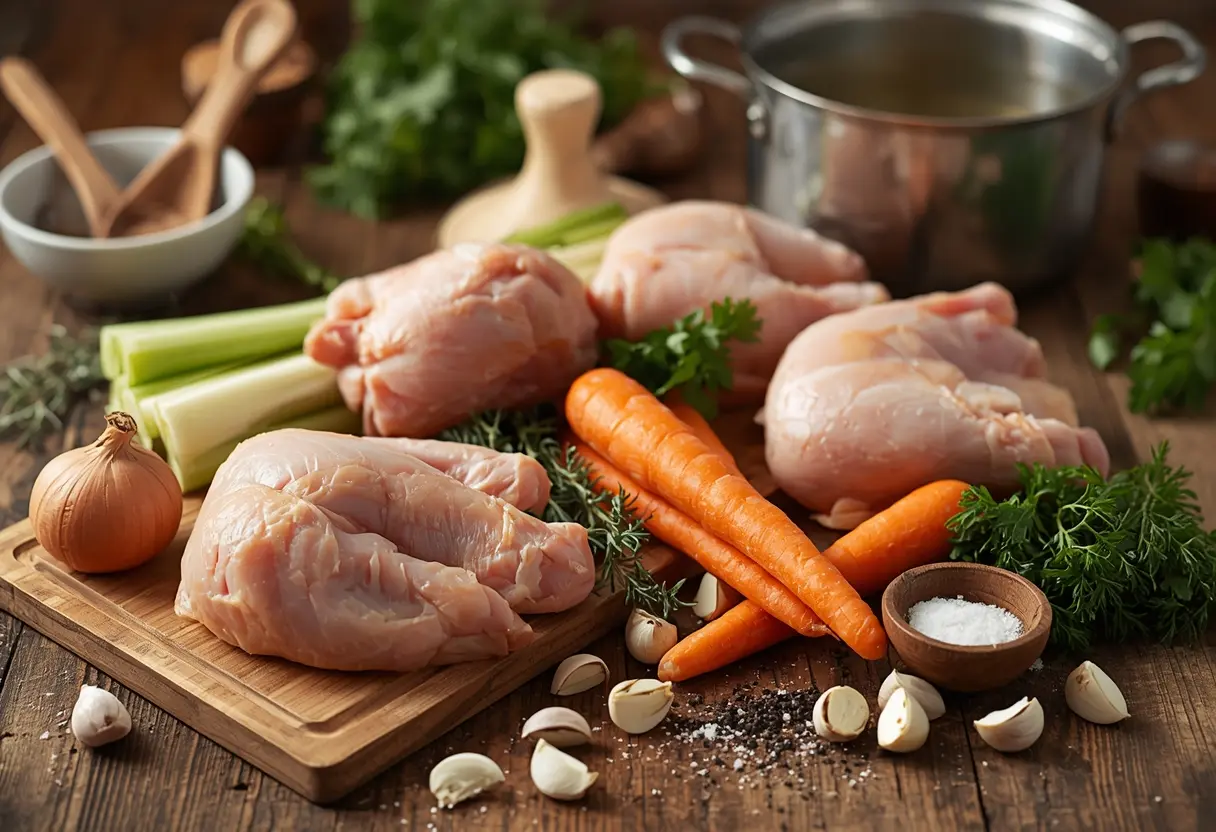
- 4-5 pounds chicken parts (backs, wings, and bones)
- 2 medium onions, quartered
- 3 medium carrots, roughly chopped
- 3 celery stalks, roughly chopped
- 6 garlic cloves, smashed
- 2 bay leaves
- 1 tablespoon black peppercorns
- 6 sprigs fresh thyme
- 4 sprigs fresh parsley
- 1 tablespoon apple cider vinegar
- Cold water (enough to cover ingredients)
- 1 teaspoon salt (optional)
For the best results, choose high-quality chicken parts with plenty of connective tissue. Wings and backs are particularly rich in collagen, which creates body and richness in your broth.
Fresh vegetables are crucial for developing complex flavors. While you can use vegetable scraps, fresh ingredients will provide the cleanest taste.
The apple cider vinegar is a key ingredient that helps extract minerals from the bones. Don’t skip it – you won’t taste it in the final broth.
Consider adding optional aromatics like lemongrass, ginger, or mushroom stems for different flavor profiles.
Chicken Broth Recipe: Step-by-Step Instructions
Before beginning, ensure all your ingredients are properly cleaned and your pot is large enough to accommodate everything with room for water.
- Rinse the chicken parts under cold water and pat them dry.
- Place chicken parts in a large stockpot and cover with cold water by 2 inches.
- Bring the water to a gentle simmer over medium-high heat.
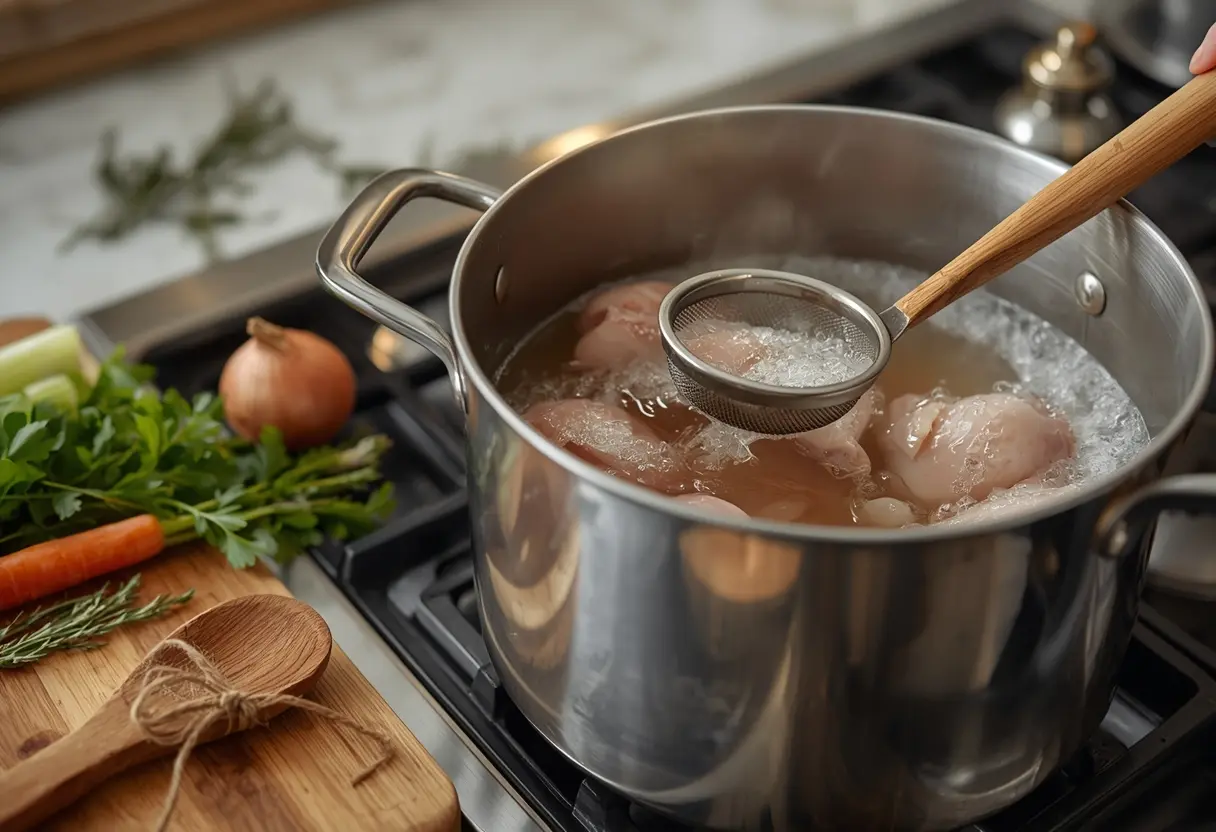
- Skim off any foam that rises to the surface during the first 30 minutes.
- Add all vegetables, herbs, and aromatics to the pot.
- Reduce heat to maintain a very gentle simmer – tiny bubbles, not a rolling boil.
- Add the apple cider vinegar and stir gently.
- Simmer uncovered for 3-4 hours, occasionally skimming any foam.
- Strain the broth through a fine-mesh strainer.
- Let cool to room temperature before refrigerating or freezing.
- Remove solidified fat from the surface once chilled (optional).
(You can find out more via chicken broth recipe).
Watch the simmer carefully – a rolling boil will create cloudy broth and can break down the vegetables too quickly, resulting in bitter flavors.
The broth is done when it has a rich golden color and the chicken meat easily falls off the bones. If the liquid reduces too much during cooking, add hot water to maintain the level.
(You can find out more via chicken broth recipe).
Tips for Perfect Results
- Always start with cold water to ensure proper extraction of flavors and gelatin.
- Never stir the broth while it’s simmering – this can make it cloudy.
- Skim regularly during the first hour for the clearest results.
- Keep the simmer gentle – vigorous boiling breaks down the ingredients too quickly.
- Don’t add salt until the end, if at all, to maintain flexibility in usage.
- Use fresh herbs in the last hour of cooking for brightest flavor.
- Strain through cheesecloth for extra-clear broth.
- Cool quickly by placing the pot in an ice bath.
- Label containers with the date when freezing.
- Save vegetable scraps in the freezer for future broths.
One common mistake is adding too much water initially. It’s better to start with less and maintain the proper ratio of ingredients to water for a more flavorful result.
If your broth doesn’t gel when chilled, next time use more collagen-rich parts like wings and feet, and ensure your simmer is very gentle.
Serving Suggestions
Use your homemade chicken broth as a base for classic chicken noodle soup, adding fresh vegetables, shredded chicken, and pasta. The clean, rich flavor makes it perfect for any soup recipe.
Transform plain rice or quinoa by cooking it in your broth instead of water. The grains will absorb the savory flavors, creating a delicious side dish.
Add depth to gravies and pan sauces by using your broth as the liquid base. The natural gelatin content will help create silky, restaurant-quality sauces.
For a comforting hot beverage, warm the broth with a pinch of sea salt and fresh herbs. This makes a nourishing alternative to tea or coffee.
Storage & Reheating
Store cooled broth in airtight containers in the refrigerator for up to 5 days. The fat that rises and solidifies on top will help preserve the broth – you can either remove it or stir it back in when reheating.
For longer storage, freeze the broth in various portion sizes. Use ice cube trays for small amounts needed in sauces, and larger containers for soup bases. Frozen broth maintains its quality for up to 6 months.
When reheating, bring the broth to a gentle simmer on the stovetop. Avoid microwave heating if possible, as it can create hot spots and affect the texture.
If you notice your frozen broth has separated, this is normal. Simply reheat and stir gently to recombine.
Variations
How to Make Chicken Broth with Roasted Bones
Roast chicken bones and vegetables at 400°F for 45 minutes before making broth. This creates deeper, richer flavors and a darker golden color. It’s perfect for French onion soup or rich gravies.
Deglaze the roasting pan with water and add those flavorful browned bits to your broth.
Easy Chicken Broth Recipe Using Rotisserie Chicken
Save the bones from your rotisserie chicken dinner to make a quick and flavorful broth. Strip off any usable meat first and save it for other dishes.
The pre-seasoned bones will add extra flavor to your broth, though you might want to reduce additional seasonings.
Making Chicken Broth from Scratch with Asian Flavors
Add ginger, lemongrass, star anise, and garlic to create an aromatic Asian-style broth. This variation works beautifully as a base for ramen or pho. (Read also: How to Roast Chicken Bones for Richer Broth)
Consider adding dried mushrooms like shiitake for additional umami depth.
Vegetable-Enhanced Chicken Broth
Double the amount of vegetables and add leafy greens like kale stems or parsley stems for a more vegetal flavor profile. This creates a lighter broth perfect for spring soups.
Consider adding corn cobs or mushroom stems for extra depth.
FAQ
What’s the difference between chicken broth and stock?
While the terms are often used interchangeably, broth is typically made with more meat and vegetables, while stock focuses on bones and cartilage for a richer texture.
Can I make this recipe in a slow cooker?
Yes, combine all ingredients in a slow cooker and cook on low for 8-10 hours. The gentle, consistent heat works perfectly for broth-making.
Why did my broth turn out cloudy?
Cloudy broth usually results from boiling instead of simmering, or from stirring too much during cooking. Keep the heat low and avoid agitating the ingredients.
How can I make my broth more flavorful?
Roast the bones and vegetables first, use plenty of aromatics, and ensure you’re not using too much water for the amount of ingredients.
Why should I add vinegar to my broth?
The acid in vinegar helps extract minerals and collagen from the bones, resulting in a more nutritious and gelatinous broth.
Can I reuse the bones for another batch?
While possible, second batches will be significantly weaker in flavor and nutrients. It’s best to use fresh ingredients each time.
How do I know when my broth is done?
The broth should be rich golden in color, flavorful, and the chicken should be falling off the bones – typically after 3-4 hours of simmering.
Can I pressure can this broth?
Yes, follow proper pressure canning guidelines for low-acid foods, processing quart jars at 10 pounds pressure for 25 minutes (adjust for altitude).
Kitchen Tools
- Large Stockpot
- Fine-mesh Strainer
- Cheesecloth
- Large Mixing Bowl
- Skimming Spoon
- Kitchen Tongs
- Storage Containers
- Measuring Cups
- Cutting Board
- Sharp Knife
More Recipes You May Like



The Ultimate Marinades & Rubs Guide
To receive the book for free, please send the following information via email.
Newsletter Frequency