
The Best Fluffy Pancakes recipe you will fall in love with. Full of tips and tricks to help you make the best pancakes.


Coconut meat recipes offer endless possibilities for creating delicious dishes from this versatile tropical ingredient.
Whether you’re working with fresh young coconuts or mature ones, these recipes will help you transform raw coconut meat into everything from smoothies to curry dishes.
With the right techniques, you’ll discover how simple it is to incorporate this nutritious ingredient into both sweet and savory preparations.
Fresh coconut meat provides a unique combination of natural sweetness, rich texture, and healthy fats that can elevate any dish.
This guide will walk you through multiple ways to prepare and use coconut meat, along with expert tips for selecting and storing fresh coconuts.
Prep Time: 30 minutes
Cook Time: 15-20 minutes (varies by recipe)
Total Time: 45-50 minutes
Yield: Varies by recipe (serves 4-6)
Calories: 150-300 per serving
Diet: Vegan, Gluten-Free, Paleo
Contents
hide
Ingredients
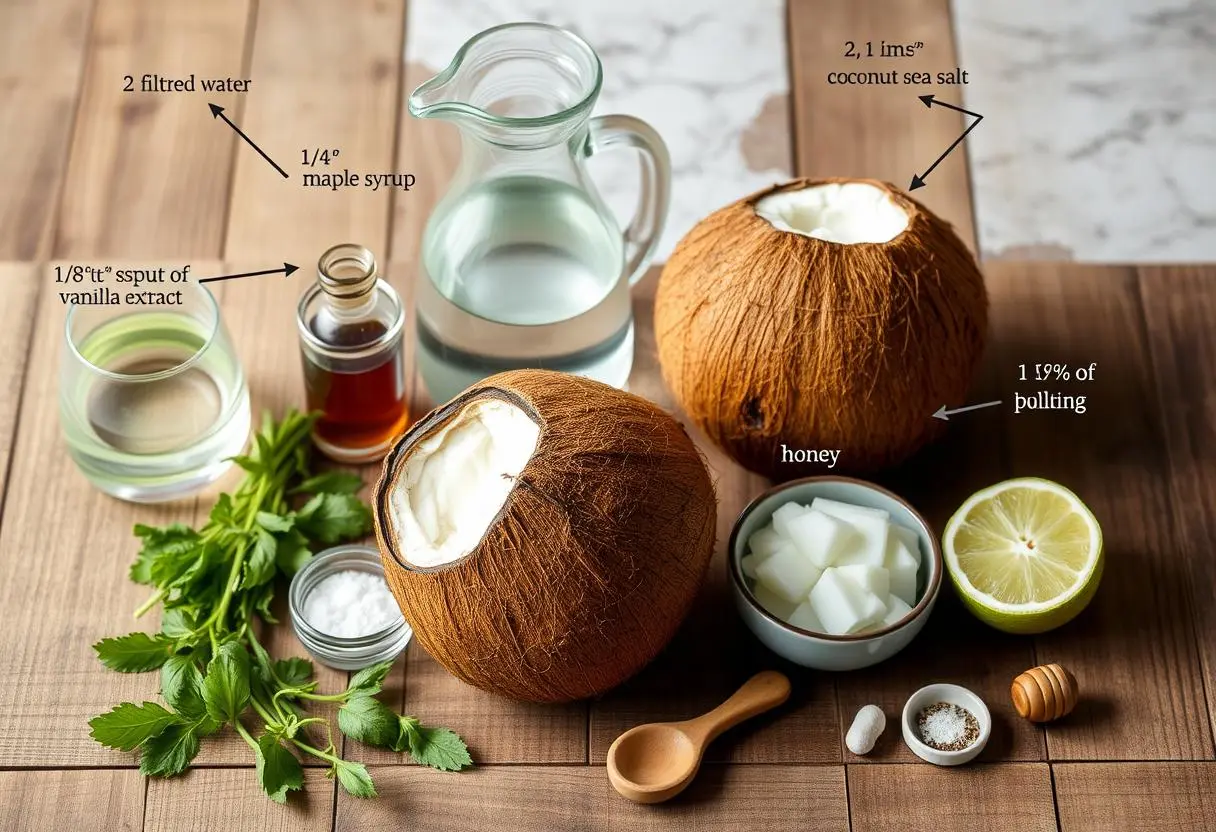
- 2 fresh mature coconuts
- 2 cups filtered water (for coconut milk)
- 1 tablespoon maple syrup (optional)
- 1/4 teaspoon vanilla extract
- 1/8 teaspoon sea salt
- 2 tablespoons coconut oil
- 1 lime, juiced
- 1 tablespoon honey (optional)
- Fresh herbs (mint, basil, or cilantro)
- Spices (cinnamon, cardamom, or nutmeg)
When selecting coconuts, choose ones that feel heavy for their size and slosh with liquid when shaken. Avoid coconuts with soft spots, cracks, or mold around the eyes.
For young coconuts, look for white husks with a pointed shape. Mature coconuts should have brown, fibrous husks and feel very solid.
If you can’t find fresh coconuts, you can substitute frozen coconut meat, though the texture and flavor won’t be quite the same.
Coconut Meat Recipes: Step-by-Step Instructions
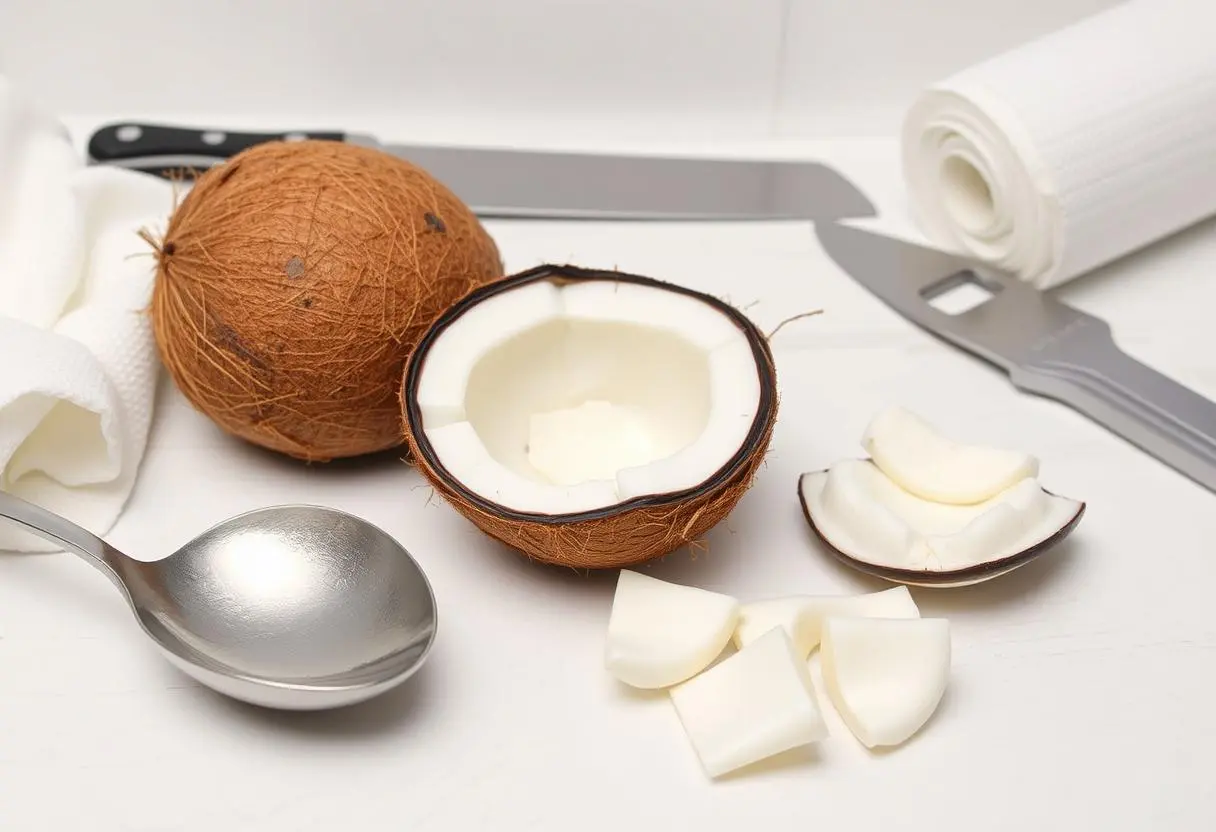
Before starting any recipe, you’ll need to extract the coconut meat properly. Follow these steps carefully to avoid waste and ensure safety.
- Drain the coconut water through the soft eyes using a clean screwdriver
- Wrap the coconut in a kitchen towel and tap firmly around the equator with a meat cleaver
- Carefully separate the halves once cracked
- Use a sturdy spoon to pry the meat from the shell
- Remove any brown skin with a vegetable peeler
- Rinse the meat under cool water
- Pat the coconut meat dry with paper towels
- Chop, grate, or process according to your recipe
- Store any unused meat in an airtight container
- Use within 5-7 days for best results
The meat should release easily from a mature coconut. If you’re struggling, try placing the halves in a 350°F oven for 10 minutes to help separate the meat from the shell.
Watch for any signs of pink or gray coloring on the meat, which indicates spoilage. Fresh coconut meat should be pure white and firm to the touch.
(You can find out more via coconut meat recipes).
Tips for Perfect Results
- Always use the freshest coconuts possible
- Keep tools sharp for safe, efficient preparation
- Process coconut meat immediately after opening
- Adjust sweetness levels to taste
- Store prepared coconut properly to maintain freshness
- Consider texture when choosing preparation methods
- Balance coconut flavors with complementary ingredients
- Use appropriate temperature control for cooking
- Measure ingredients precisely
- Test for doneness frequently
Temperature control is crucial when working with coconut Meat. Overcooking can lead to tough, chewy results, while proper technique maintains its natural tenderness.
If you’re making homemade coconut milk, use warm (not hot) water to help extract maximum flavor and nutrients without cooking the meat.
Serving Suggestions
Fresh coconut meat can be served in numerous ways, from simple raw preparations to complex culinary creations. Try sprinkling raw, grated coconut over tropical fruit salads for added texture and flavor.
For breakfast, blend coconut meat into smoothies or add it to overnight oats for a creamy, protein-rich start to your day. The natural oils in coconut meat create a satisfying, filling quality.
In savory dishes, coconut meat adds richness to curries, stews, and stir-fries. Its subtle sweetness balances spicy and acidic flavors beautifully.
Consider using coconut meat as a dairy-free alternative in desserts and baked goods. It can be pureed into a smooth cream or chopped for texture.
Storage & Reheating
Store fresh, unopened coconuts at room temperature for up to 6 weeks in a cool, dry place. Once opened, wrap extracted coconut meat tightly and refrigerate for up to 5-7 days.
For longer storage, freeze coconut meat in an airtight container for up to 6 months. Thaw overnight in the refrigerator before using.
When reheating coconut meat dishes, use gentle heat to prevent toughening. Add a splash of liquid if needed to maintain moisture.
If storing homemade coconut milk, keep it refrigerated and use within 4-5 days. Separation is natural – simply shake before using.
Variations
How to Make Homemade Coconut Milk
Blend fresh coconut meat with warm water, then strain through a nut milk bag. For a richer result, use less water; for lighter milk, add more water gradually.
Double-strain the mixture for ultra-smooth results, and consider adding a pinch of salt or vanilla to enhance flavor.
Fresh Coconut Smoothie Bowl
Combine coconut meat with frozen banana, mango, and a splash of coconut water in a high-speed Blender. Top with fresh fruit, nuts, and seeds.
For added protein, include a scoop of vanilla protein powder or Greek yogurt in the base mixture.
What to Do with Fresh Coconut in Savory Dishes
Incorporate grated coconut meat into Asian-inspired dishes like Thai curries or Indian chutneys. The natural oils enhance the overall mouthfeel.
Try marinating protein in a paste made from ground coconut meat, garlic, and spices before grilling or roasting.
Coconut Meat Uses in Desserts
Process coconut meat until smooth for a natural cream alternative in puddings and mousses. Add natural sweeteners to taste.
Create raw dessert bars by combining processed coconut meat with nuts, dates, and cocoa powder.
FAQ
How Long Does Fresh Coconut Meat Last?
Fresh coconut meat will keep for 5-7 days in the refrigerator when properly stored in an airtight container. For extended storage, freeze for up to 6 months.
Can I Freeze Coconut Meat?
Yes, coconut meat freezes well. Store it in an airtight container or freezer bag for up to 6 months. Thaw in the refrigerator before using.
How Do I Know if a Coconut is Fresh?
A fresh coconut should feel heavy for its size and contain liquid that sloshes when shaken. Avoid coconuts with cracks, mold, or soft spots.
What’s the Best Way to Extract Coconut Meat?
After cracking the coconut, use a sturdy spoon to carefully pry the meat from the shell. For easier removal, you can briefly heat the coconut halves in the oven.
Can I Use Frozen Coconut Meat Instead of Fresh?
While fresh is optimal, frozen coconut meat can be used as a substitute. Thaw completely and pat dry before using to remove excess moisture.
Is Raw Coconut Meat Safe to Eat?
Yes, raw coconut meat is perfectly safe to eat when properly extracted from a fresh, unspoiled coconut. Always inspect for any signs of spoilage before consuming.
How Many Calories Are in Coconut Meat?
One cup of raw coconut meat contains approximately 283 calories, along with healthy fats, fiber, and essential minerals.
Can I Make Coconut Flour from Fresh Coconut?
Yes, you can make coconut flour by drying and grinding fresh coconut meat, though it requires significant processing and drying time for best results.
Kitchen Tools You’ll Need
- Sharp Chef’s Knife
- Heavy Meat Cleaver
- Fine Grater
- Food Processor
- Measuring Cups
- Measuring Spoons
- Large Mixing Bowl
- Medium Saucepan
- Fine-mesh Strainer
- Blender
Extra Reward
🎁 Beyond The Tools: A Gift For You!
I hope you found the kitchen tools recommended above helpful! As a thank you for reading, I’ve unlocked a few exclusive Free Amazon rewards just for my followers.
Includes: Free Audiobooks • Kitchen Discounts • Welcome Boxes
More Recipes You May Like






The Ultimate Marinades & Rubs Guide
To receive the book for free, please send the following information via email.
Newsletter Frequency