
The Best Fluffy Pancakes recipe you will fall in love with. Full of tips and tricks to help you make the best pancakes.

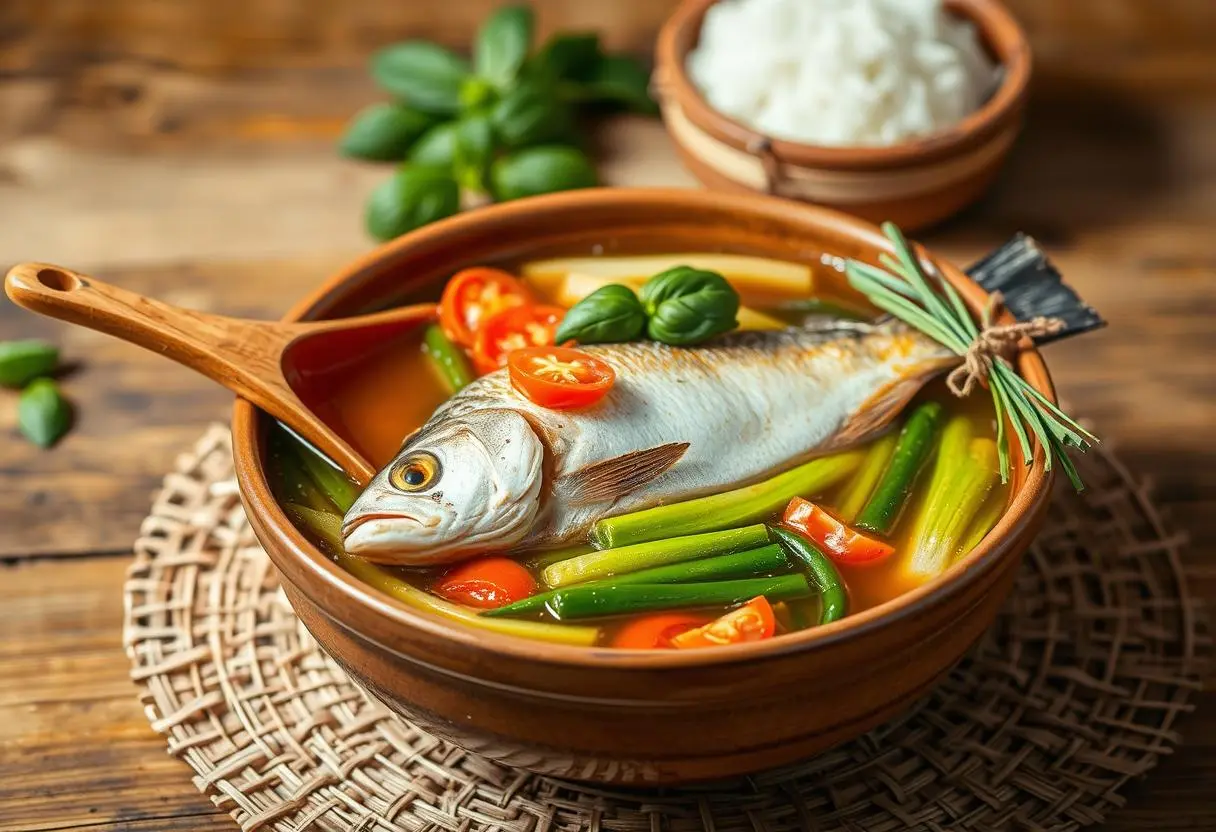
Fish recipe Filipino food doesn’t get more authentic and comforting than Sinigang na Isda, a beloved sour and savory soup that perfectly captures the essence of Filipino home cooking. This traditional dish combines fresh fish with vegetables in a tangy tamarind-based broth, creating a harmonious balance of flavors that’s both nourishing and deeply satisfying.
While there are many Filipino fish dishes to choose from, Sinigang remains a perennial favorite for its bright, complex flavors and wholesome ingredients. The sourness of tamarind, complemented by tender fish and crisp vegetables, creates a dish that’s perfect for rainy days or whenever you crave a taste of Filipino comfort food.
This easy Filipino fish recipe takes you through every step to achieve restaurant-quality results at home, complete with pro tips from experienced Filipino cooks.
Prep Time: 20 minutes
Cook Time: 30 minutes
Total Time: 50 minutes
Yield: 6 servings
Calories: 245 per serving
Contents
hide
Ingredients
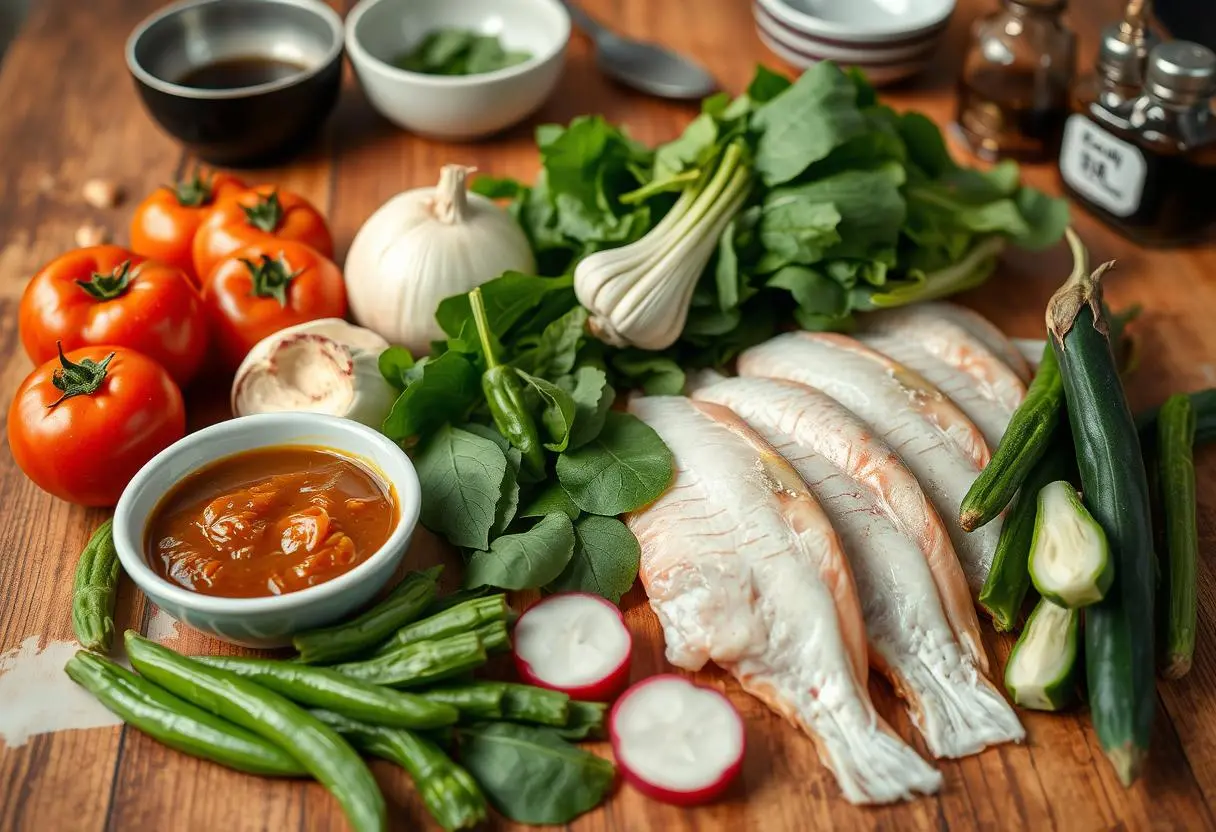
- 2 lbs firm white fish (bangus or sea bass), cut into steaks
- 2 tablespoons pure tamarind paste
- 2 medium tomatoes, quartered
- 1 medium onion, sliced
- 2 pieces green chili peppers (optional)
- 2 cups fresh spinach or water spinach (kangkong)
- 2 pieces radish, sliced
- 2 pieces eggplant, cut into chunks
- 8 pieces okra
- 8 cups water
- Fish sauce (patis) to taste
- Salt and pepper to taste
When selecting fish for this recipe, look for fresh, firm white fish with clear eyes and bright red gills. Milkfish (bangus) is traditional, but sea bass, red snapper, or grouper work excellently too.
The quality of your tamarind paste significantly impacts the final flavor. Choose pure tamarind paste without additives for the most authentic taste. Some brands can be overly sweet, so adjust the amount based on your preferred level of sourness.
Fresh vegetables are crucial for the best texture and flavor. Look for bright green spinach leaves, firm eggplants, and crisp okra. If water spinach (kangkong) isn’t available, regular spinach makes a good substitute.
Fish sauce (patis) adds essential umami flavor and saltiness. Different brands vary in saltiness, so start with less and adjust to taste.
Fish Recipe Filipino Food: Step-by-Step Instructions
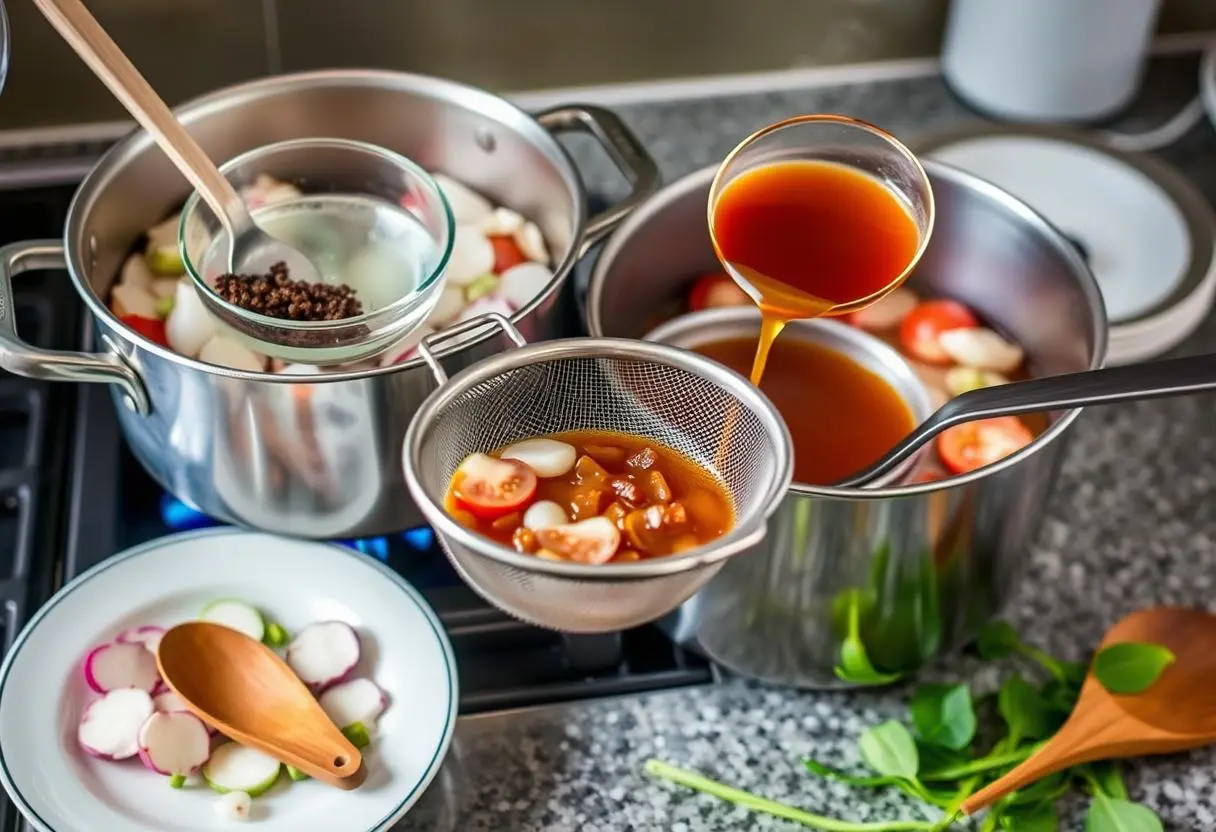
Follow these steps carefully to achieve the perfect balance of sour, savory, and umami flavors that characterize authentic Sinigang na Isda.
- Dissolve tamarind paste in 1 cup of hot water, mashing to extract maximum flavor. Strain and set aside.
- Bring 8 cups of water to a boil in a large pot over medium-high heat.
- Add sliced onions and quartered tomatoes, simmer for 3 minutes.
- Pour in the strained tamarind liquid and simmer for 5 minutes.
- Add the radish and cook for 3-4 minutes until slightly tender.
- Add eggplant and okra, cook for another 4 minutes.
- Carefully add the fish pieces and cook for 5-7 minutes until just done.
- Season with fish sauce, salt, and pepper to taste.
- Add the spinach or kangkong and green chilies if using.
- Cook for 1-2 minutes more until greens are just wilted but still bright.
(You can find out more via fish recipe filipino food).
The fish is done when it flakes easily with a fork but isn’t falling apart. Avoid overcooking, as this will make the fish tough and dry.
If your broth isn’t sour enough, you can add more dissolved tamarind paste. Remember that the sourness will mellow slightly as the soup sits.
(You can find out more via fish recipe filipino food).
Watch the vegetables carefully – they should be tender-crisp, not mushy. The cooking times may vary slightly depending on the size of your vegetable cuts.
Tips for Perfect Results
- Never boil the soup aggressively once the fish is added to prevent it from breaking apart
- Add fish sauce gradually to control saltiness
- Keep vegetables slightly crisp for better texture
- Use fresh tamarind paste rather than powder for better flavor
- Don’t overcrowd the pot – the fish needs space to cook evenly
- Remove any fish bones before serving for easier eating
- Adjust sourness before adding fish sauce, as it affects the overall taste
- Use room temperature fish to ensure even cooking
- Don’t skip the tomatoes – they add essential sweetness
- Let the soup rest for 5 minutes before serving to develop flavors
One common mistake is stirring the soup too vigorously after adding the fish. Instead, gently shake the pot or use a Wooden Spoon to carefully move ingredients without breaking the fish pieces.
If your soup becomes too sour, add a small piece of peeled radish to help balance the flavors naturally.
Serving Suggestions
In Filipino style fish cooking, Sinigang is traditionally served in individual bowls with a generous portion of steamed white rice on the side. The rice helps balance the sour broth and makes the meal more filling.
Arrange the fish pieces and vegetables attractively in each bowl before ladling the hot broth over them. Serve with additional fish sauce on the side for guests to adjust seasoning to their taste.
For an authentic Filipino meal experience, include some fresh calamansi halves for an extra citrus kick and chopped bird’s eye chilies for those who enjoy extra heat.
Consider serving with a side of fresh tomato and onion ensalada (salad) dressed with fish sauce and calamansi juice for a complete meal.
Storage & Reheating
Store leftover Sinigang in an airtight container in the refrigerator for up to 2 days. The flavors often improve overnight as the ingredients meld together.
When reheating, do so gently over medium-low heat to prevent the fish from breaking apart. Avoid using a microwave as it can make the fish tough and rubbery.
If you plan to make ahead, consider preparing the broth and vegetables separately from the fish. Add freshly cooked fish when reheating for the best texture.
The vegetables may become softer after storage, so consider adding fresh spinach when reheating to maintain some texture contrast.
Variations
Regional Filipino Fish Dishes Style
In the Visayas region, some cooks add lemongrass and ginger to the broth for added aromatics. This variation adds a subtle citrusy note that complements the tamarind beautifully.
Some regions also include green papaya or taro roots for added texture and flavor complexity.
How to Cook Filipino Fish Recipes with Different Fish
While milkfish is traditional, try using salmon belly for a richer version. Adjust cooking time down to 4-5 minutes as salmon cooks more quickly than white fish. (Read also: How to Cook Filipino Fish Recipes with Different Fish)
Tilapia can also be used for a more economical version, but reduce cooking time to prevent it from becoming too soft.
Easy Filipino Fish Recipe Modifications
For a quicker weeknight version, use fish fillets instead of steaks and cut vegetables smaller for faster cooking. The entire dish can be ready in 30 minutes.
Consider adding baby corn or snow peas for extra crunch and visual appeal.
Filipino Style Fish Cooking Variations
Some modern interpretations include a touch of butter or olive oil for richness. While not traditional, it adds a subtle luxurious note to the broth.
For a healthier version, increase the proportion of vegetables and use less salt by enhancing flavor with herbs like cilantro.
FAQ
Can I make this fish recipe Filipino food style without tamarind?
While tamarind is traditional, you can substitute with a combination of calamansi juice and tomatoes, though the flavor profile will be different.
Why does my fish break apart while cooking?
This usually happens when the broth is boiling too vigorously or the fish is overcooked. Maintain a gentle simmer and watch cooking times carefully.
Can I freeze Sinigang na Isda?
Freezing isn’t recommended as it can make the fish texture mushy and the vegetables soggy upon thawing.
What’s the best fish for Filipino style sinigang?
Milkfish (bangus) is traditional, but any firm white fish like sea bass, red snapper, or grouper works well.
How spicy should this dish be?
Traditional versions are mildly spicy with 1-2 green chilies, but you can adjust the heat level by adding more chilies or removing them entirely.
Why isn’t my broth sour enough?
This could be due to low-quality tamarind paste or insufficient quantity. Add more dissolved tamarind paste gradually until desired sourness is achieved.
Can I make this ahead for a party?
Prepare the broth and vegetables ahead, but cook the fish fresh just before serving for the best texture and flavor.
What makes the broth cloudy?
Boiling too vigorously or breaking up the fish can cloud the broth. Maintain a gentle simmer for a clearer soup.
Kitchen Tools You’ll Need
- Large Heavy-bottomed Pot
- Wooden Spoon
- Fine-mesh Strainer
- Sharp Knife
- Cutting Board
- Measuring Cups
- Measuring Spoons
- Small Mixing Bowl
- Ladle
Extra Reward
🎁 Beyond The Tools: A Gift For You!
I hope you found the kitchen tools recommended above helpful! As a thank you for reading, I’ve unlocked a few exclusive Free Amazon rewards just for my followers.
Includes: Free Audiobooks • Kitchen Discounts • Welcome Boxes
More Recipes You May Like





The Ultimate Marinades & Rubs Guide
To receive the book for free, please send the following information via email.
Newsletter Frequency