The Best Fluffy Pancakes recipe you will fall in love with. Full of tips and tricks to help you make the best pancakes.

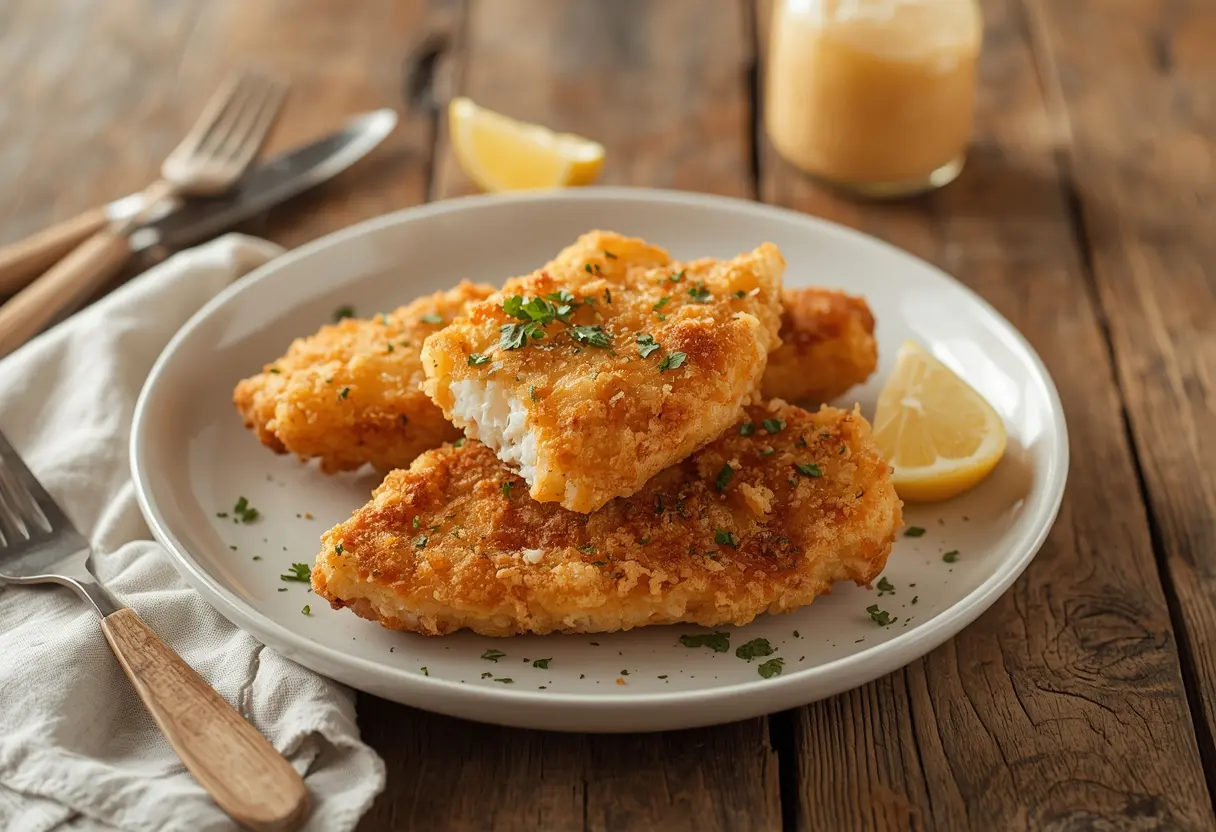
Fried fish recipe mastery begins with understanding the perfect balance of temperature, timing, and technique. Whether you’re craving restaurant-quality seafood at home or looking to recreate cherished family memories, this comprehensive guide will transform your kitchen into a seafood haven.
Contents
hide
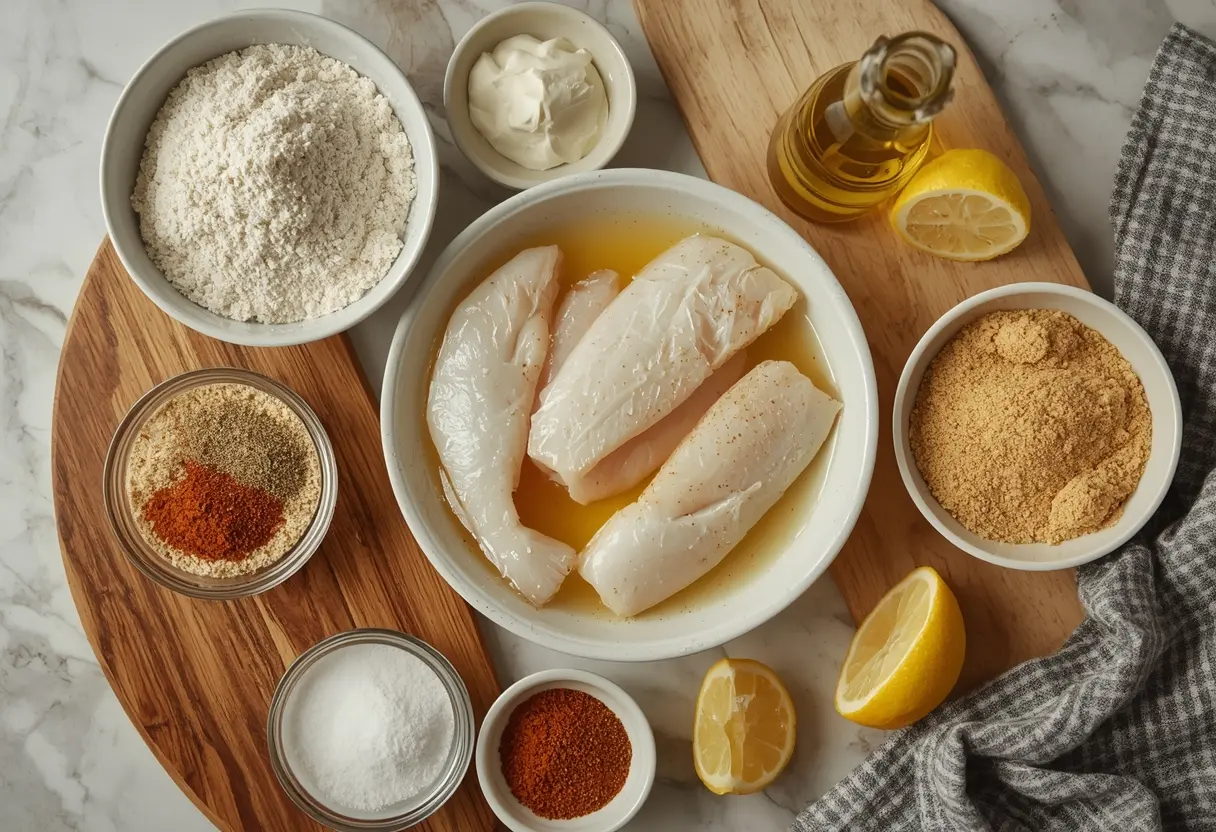
fried fish recipe Ingredients
professional fried fish recipe techniques
The aroma of perfectly golden fish sizzling in hot oil is one of life’s simple pleasures. Creating that ideal crispy exterior while maintaining tender, flaky fish inside requires more than just dropping fillets into oil.
Throughout my years of perfecting this fried fish recipe, I’ve discovered the secrets that separate mediocre attempts from truly exceptional results. Every element matters, from selecting the freshest fish to achieving that signature crunch.
Essential Ingredients for the Perfect Fried Fish Recipe
Quality ingredients form the foundation of any outstanding fried fish recipe. Fresh fish fillets are non-negotiable – look for firm flesh with a mild ocean scent and no discoloration.
White fish varieties work exceptionally well for frying. Cod, haddock, tilapia, and catfish are popular choices that hold up beautifully during cooking. Each offers a slightly different texture and flavor profile.
The breading station requires three key components: seasoned flour, beaten eggs, and your coating of choice. Many southern fried fish enthusiasts swear by cornmeal, while others prefer breadcrumbs or a combination.
Seasonings elevate your fried fish recipe from basic to extraordinary. Essential spices include paprika, garlic powder, onion powder, cayenne pepper, salt, and black pepper. Fresh lemon wedges for serving are absolutely crucial.
Oil selection significantly impacts your results. Vegetable oil, canola oil, or peanut oil work wonderfully due to their high smoke points. You’ll need enough to create at least two inches of depth in your pan.
Step-by-Step Instructions for How to Make Fried Fish
Learning how to make fried fish properly starts with preparation. Pat your fish fillets completely dry using paper towels. Moisture is the enemy of crispiness, so this step is vital.
Set up your breading station with three shallow dishes. The first contains seasoned flour, the second beaten eggs with a splash of milk, and the third your coating mixture.
Season each fillet generously with salt and pepper on both sides. This base seasoning ensures flavor penetrates throughout the fish, not just the coating.
Dredge each piece first in flour, shaking off excess. Then dip into the egg mixture, allowing extra to drip away. Finally, press firmly into your coating, ensuring complete coverage.
Heat your oil to 350-375°F (175-190°C). A thermometer is invaluable here – proper temperature ensures your crispy fried fish recipe turns out perfectly golden rather than greasy or burnt.
Carefully lower breaded fillets into the hot oil, working in batches to avoid overcrowding. Fry for 3-4 minutes per side, depending on thickness, until gorgeously golden brown.
Transfer cooked fish to a wire rack set over paper towels. This setup allows excess oil to drain while maintaining that coveted crispy exterior.
Tips for Achieving Crispy Fried Fish Recipe Success
The secret to an exceptionally crispy fried fish recipe lies in several crucial techniques. Double-dredging creates an extra-thick coating that stays crunchy longer.
After the initial breading process, let coated fillets rest for 5-10 minutes. This allows the coating to adhere properly, preventing it from sliding off during frying.
Maintain consistent oil temperature throughout cooking. When temperature drops too low, fish absorbs excess oil and becomes soggy. Too high, and the outside burns before the inside cooks.
Never flip fish multiple times during frying. One flip is sufficient – constant turning disrupts the coating and prevents proper crisping.
For extra crunch, add a tablespoon of cornstarch to your flour mixture. This simple addition creates an incredibly light, shatteringly crisp coating.
Southern Fried Fish Variations and Seasonings
Southern fried fish traditions vary by region, but all share a commitment to bold flavors and perfect texture. Cornmeal-based coatings dominate, often mixed with flour for optimal crispness.
Classic southern seasoning blends include Old Bay, Cajun spices, or homemade mixtures featuring plenty of paprika and cayenne. The goal is warmth without overwhelming heat.
Many southern cooks swear by buttermilk instead of regular milk in their egg wash. This tangy addition tenderizes the fish while adding subtle flavor complexity.
Hot sauce in the egg mixture is another southern fried fish secret. Just a few dashes add background heat and enhance overall flavor without making the dish spicy.
Serving southern-style means accompanying your fried fish recipe with traditional sides: coleslaw, hush puppies, french fries, and tartar sauce are classic pairings.
Crispy Pan Fried Fish Recipe Alternative Method
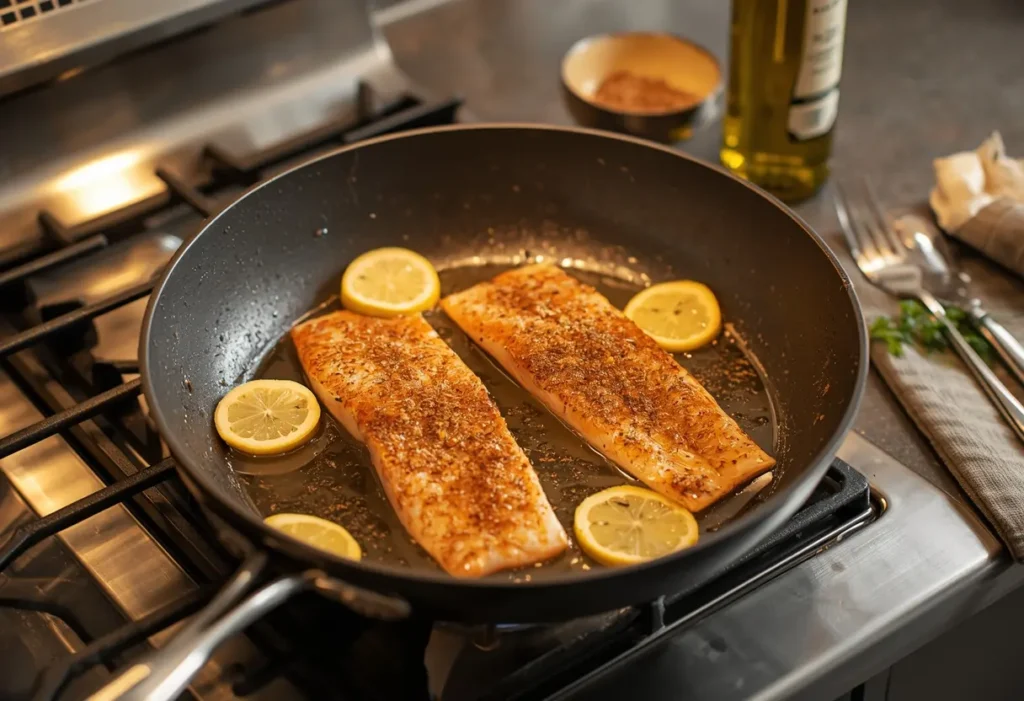
When deep-frying isn’t practical, a crispy pan fried fish recipe offers excellent results with less oil. This method works beautifully for thinner fillets and creates wonderfully golden results.
Use a heavy-bottomed skillet and add just enough oil to reach halfway up the fish fillets. This shallow-frying technique requires more attention but uses significantly less oil.
The key to pan-frying success is slightly lower temperature – around 325-350°F (165-175°C). This prevents burning while ensuring thorough cooking.
Start fish presentation-side down for the most attractive results. The first side always looks best, so make it count when plating your crispy pan fried fish recipe.
Pan-frying allows for easy basting. Tilt the pan slightly and spoon hot oil over the top of fillets, helping cook evenly without flipping too soon.
Common Mistakes to Avoid with Your Fried Fish Recipe
Even experienced cooks sometimes stumble with their fried fish recipe. Overcrowding the pan ranks among the most common errors, causing temperature drops and uneven cooking.
Using fish that’s too thick creates another challenge. Fillets over one inch thick often burn outside before cooking through. Consider butterflying thicker pieces for even results.
Skipping the thermometer leads to inconsistent outcomes. Guessing oil temperature results in either greasy, undercooked fish or burnt, dry disappointments.
Moving fish too quickly after adding to oil causes coating loss. Allow at least 30 seconds before any movement, giving the crust time to set properly.
Neglecting proper draining ruins texture. Placing fried fish directly on paper towels creates steam, softening your carefully crafted crispy coating.
Mastering this fried fish recipe opens endless possibilities for delicious homemade seafood meals. With practice, you’ll develop your own signature touches and flavor combinations.
Remember that confidence comes with repetition. Each time you prepare this fried fish recipe, you’ll refine your technique and develop instincts for perfect timing and temperature.
Whether you prefer southern fried fish traditions or experiment with global flavors, these fundamental techniques ensure consistently outstanding results. Your family and friends will request this crispy, golden perfection again and again.
Recommended Kitchen Tools
– large heavy-bottomed skillet
– meat thermometer
– wire rack
– paper towels
– shallow dishes for breading
– tongs
– sharp knife
– cutting board
– measuring cups and spoons
– slotted spoon
More Recipes You May Like
The Ultimate Marinades & Rubs Guide
To receive the book for free, please send the following information via email.
Newsletter Frequency