
The Best Fluffy Pancakes recipe you will fall in love with. Full of tips and tricks to help you make the best pancakes.

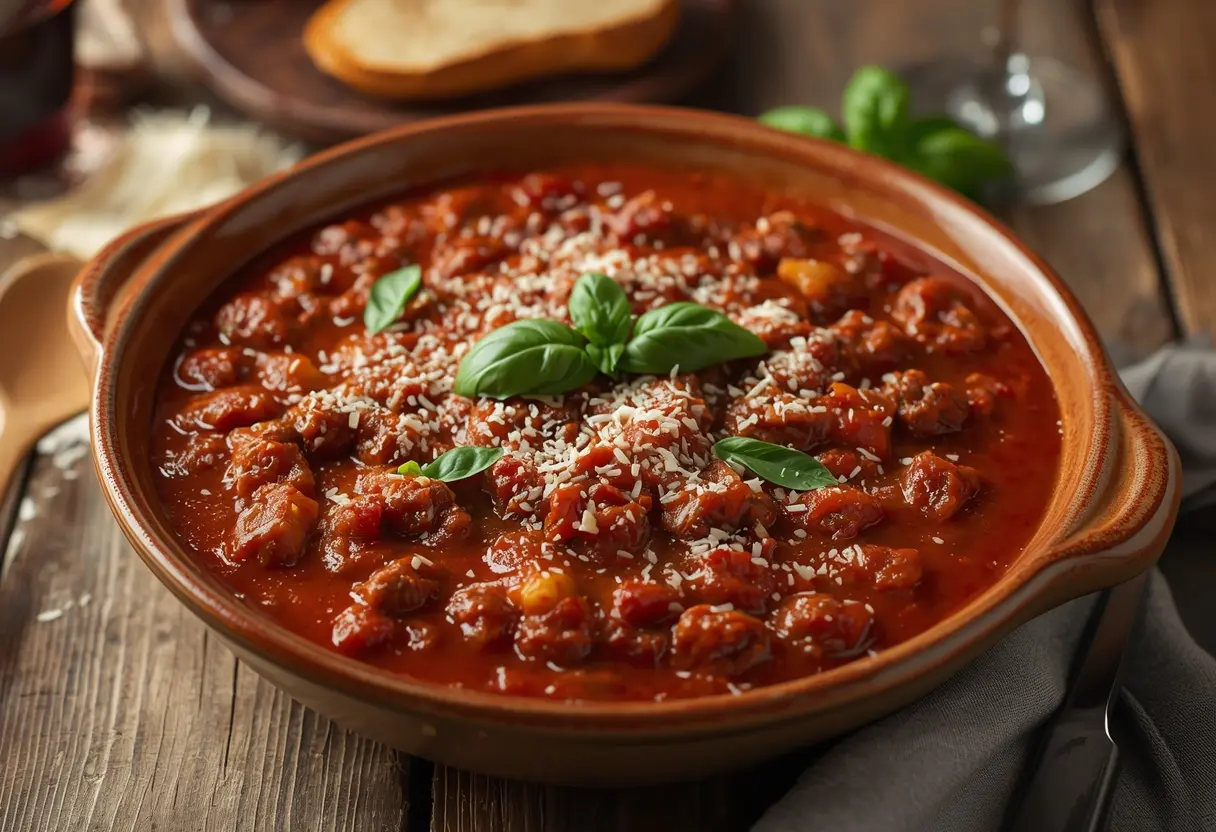
Meat sauce recipe perfection starts with understanding the balance of flavors and techniques that transform simple ingredients into an extraordinary dish. Whether you’re preparing a cozy family dinner or meal prepping for the week, mastering this classic sauce will elevate your cooking repertoire.
Contents
hide
meat sauce recipe
Ingredients

professional meat sauce recipe techniques
Creating a rich, flavorful meat sauce doesn’t require professional training or expensive ingredients. With the right approach and a few insider tips, you’ll craft a sauce that rivals any Italian restaurant’s signature offering.
This homemade meat sauce recipe combines traditional Italian cooking methods with practical shortcuts that work for busy home cooks. The result is a versatile sauce that pairs beautifully with pasta, serves as a lasagna base, or becomes the star of countless other dishes.
Essential Ingredients for Your Meat Sauce Recipe
The foundation of any exceptional meat sauce recipe lies in selecting quality ingredients. Ground beef forms the hearty base, but combining it with ground pork adds depth and richness that elevates the entire dish.
Fresh aromatics are non-negotiable. Yellow onions provide sweetness, while garlic adds that essential savory punch. Carrots and celery, finely diced, contribute subtle sweetness and complexity without overpowering the meat.
Tomatoes form the sauce’s backbone. Crushed tomatoes offer body, while tomato paste intensifies the flavor. Some cooks add a tablespoon of sugar to balance acidity, though this remains optional based on your tomatoes’ natural sweetness.
Fresh herbs make a noticeable difference. Basil, oregano, and parsley bring authentic Italian flavors. Bay leaves add subtle depth during the simmering process. Red wine, though optional, contributes richness and complexity to your meat sauce recipe.
How to Make Meat Sauce: Step-by-Step Instructions
Start by heating olive oil in a large, heavy-bottomed pot over medium-high heat. Brown the ground beef and pork in batches, avoiding overcrowding. This crucial step develops deep, caramelized flavors that form your sauce’s foundation.
Remove the browned meat and reduce heat to medium. In the same pot, sauté diced onions until translucent, about 5 minutes. Add minced garlic, cooking until fragrant, approximately 30 seconds.
Stir in diced carrots and celery, cooking until slightly softened. This aromatic base, known as soffritto in Italian cooking, provides incredible depth to your homemade meat sauce recipe.
Return the meat to the pot. Add tomato paste, stirring constantly for 2 minutes to cook out raw flavors. Pour in red wine if using, scraping up any browned bits from the pot’s bottom.
Add crushed tomatoes, herbs, and seasonings. Bring the mixture to a gentle simmer, then reduce heat to low. The secret to exceptional meat sauce lies in patient, slow cooking.
Perfecting Your Meat Sauce Recipe Through Slow Simmering
Simmering transforms good ingredients into an extraordinary meat sauce recipe. Maintain a gentle bubble, stirring occasionally to prevent sticking. The sauce should cook for at least 45 minutes, though 2-3 hours yields even better results.
During cooking, flavors meld and intensify. The meat becomes tender, vegetables break down, and tomatoes develop rich, concentrated flavors. This slow process cannot be rushed without sacrificing quality.
Taste and adjust seasonings throughout cooking. Salt enhances all flavors, while black pepper adds gentle heat. Some cooks add a pinch of red pepper flakes for subtle warmth.
If your sauce seems too thick, add pasta water or beef broth. Too thin? Remove the lid and simmer until it reaches your desired consistency. This Italian meat sauce recipe adapts to your preferences.
Tips for the Best Spaghetti Meat Sauce Recipe
Achieving the best spaghetti meat sauce recipe requires attention to detail. Always use a heavy-bottomed pot to ensure even heat distribution and prevent scorching. Cast iron or enameled Dutch ovens work exceptionally well.
Don’t skip browning the meat properly. Gray, steamed meat lacks the deep flavors that make restaurant sauces memorable. Work in batches if necessary to maintain high heat.
Fresh ingredients matter, but quality canned tomatoes often surpass out-of-season fresh ones. San Marzano tomatoes, though pricier, deliver authentic Italian flavors worth the investment.
Let the finished sauce rest before serving. Like many braised dishes, meat sauce recipe flavors improve after sitting. Make it a day ahead for optimal results.
Creative Variations of Italian Meat Sauce Recipe
While traditional Italian meat sauce recipe remains beloved, creative variations keep dinner exciting. Try adding mushrooms for earthy depth, or incorporate bell peppers for sweetness and color.
Experiment with different meats. Ground turkey creates a lighter version, while Italian sausage adds bold flavors. Some cooks combine multiple meats for complexity.
Vegetable additions customize your sauce. Zucchini, spinach, or kale boost nutrition without compromising flavor. Finely chop vegetables so they blend seamlessly into the sauce.
Regional Italian variations inspire creativity. Bolognese-style includes milk or cream for richness. Southern Italian versions might feature olives or capers. Your meat sauce recipe can reflect personal preferences while honoring tradition.
Storage and Serving Suggestions for Meat Sauce Recipe
Proper storage extends your meat sauce recipe’s life and convenience. Cool completely before refrigerating in airtight containers. The sauce keeps for 4-5 days refrigerated or 3 months frozen.
Freeze in portion-sized containers for easy weeknight dinners. Ice cube trays work well for small amounts. Thaw overnight in the refrigerator or gently reheat from frozen.
Serving suggestions extend beyond traditional spaghetti. Use this versatile sauce for lasagna, stuffed shells, or baked ziti. It makes an excellent pizza sauce or filling for calzones.
Transform leftovers into new meals. Add beans for chili, serve over polenta, or use as a base for shakshuka. This meat sauce recipe adapts to countless applications.
Troubleshooting Common Meat Sauce Recipe Issues
Even experienced cooks encounter challenges. If your sauce tastes flat, it likely needs more salt or simmering time. Acidic sauces benefit from a pinch of sugar or grated carrot.
Greasy sauce results from not draining fat after browning meat. Pour off excess fat or skim during cooking. Choose leaner meat blends if this remains problematic.
Watery sauce indicates insufficient reduction. Simmer uncovered until thickened. Tomato paste also helps achieve proper consistency in your meat sauce recipe.
Burned flavors cannot be fixed. If you detect scorching, transfer unburned portions to a clean pot immediately. Prevention through proper heat control and stirring remains key.
Making Meat Sauce Recipe Part of Your Meal Planning
Incorporating this meat sauce recipe into meal planning saves time and money. Double or triple batches freeze beautifully, providing quick dinners on busy nights.
Batch cooking on weekends sets up weeknight success. While one pot simmers, prep vegetables or prepare other freezer-friendly meals. This efficiency makes homemade cooking sustainable.
Label frozen portions with contents and date. Include reheating instructions for family members. This organization ensures your delicious meat sauce recipe never goes to waste.
Consider gifting frozen sauce to friends or new parents. Homemade meat sauce makes a thoughtful, practical present that shows care through effort and skill.
Mastering this meat sauce recipe opens doors to countless Italian-inspired meals. From quick weeknight spaghetti to impressive dinner party lasagnas, this versatile sauce becomes a kitchen staple. With practice and patience, you’ll develop your signature version that family and friends request repeatedly. The investment of time yields dividends in flavor, satisfaction, and the joy of sharing homemade comfort food with those you love.
Recommended Kitchen Tools
– large heavy-bottomed pot
– wooden spoon
– sharp chef’s knife
– cutting board
– can opener
– measuring cups and spoons
– ladle
– storage containers
More Recipes You May Like





The Ultimate Marinades & Rubs Guide
To receive the book for free, please send the following information via email.
Newsletter Frequency