
The Best Fluffy Pancakes recipe you will fall in love with. Full of tips and tricks to help you make the best pancakes.

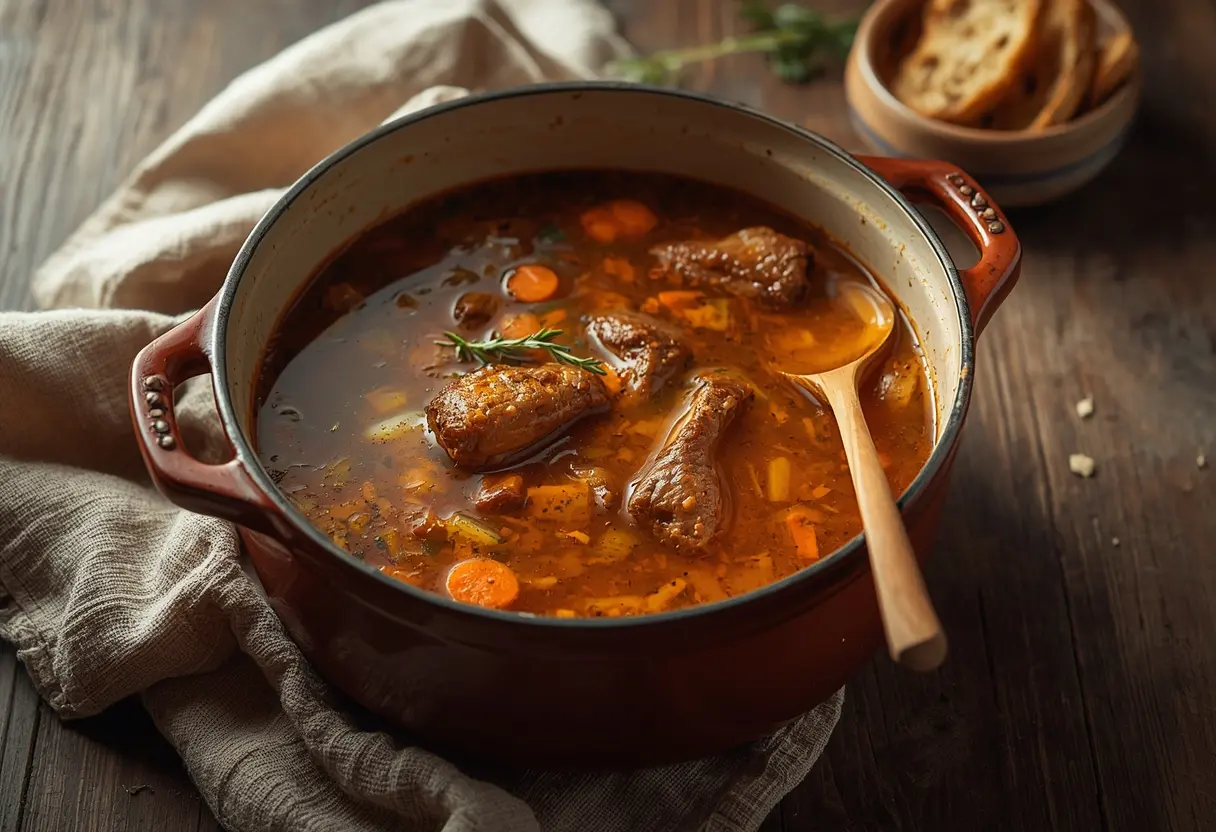
Meat stock recipe is the foundation of exceptional cooking, offering deep, rich flavors and essential nutrients that can elevate any dish from good to extraordinary. Whether you’re making soups, sauces, or gravies, mastering this fundamental culinary skill will transform your home cooking.
This traditional recipe uses quality meat bones and aromatics to create a rich, gelatinous stock that’s far superior to store-bought versions. We’ll cover everything from selecting the best bones to achieving that perfect golden clarity.
Prep Time: 30 minutes
Cook Time: 12-24 hours
Total Time: 12.5-24.5 hours
Yield: 4-5 quarts of stock
Contents
hide
Ingredients
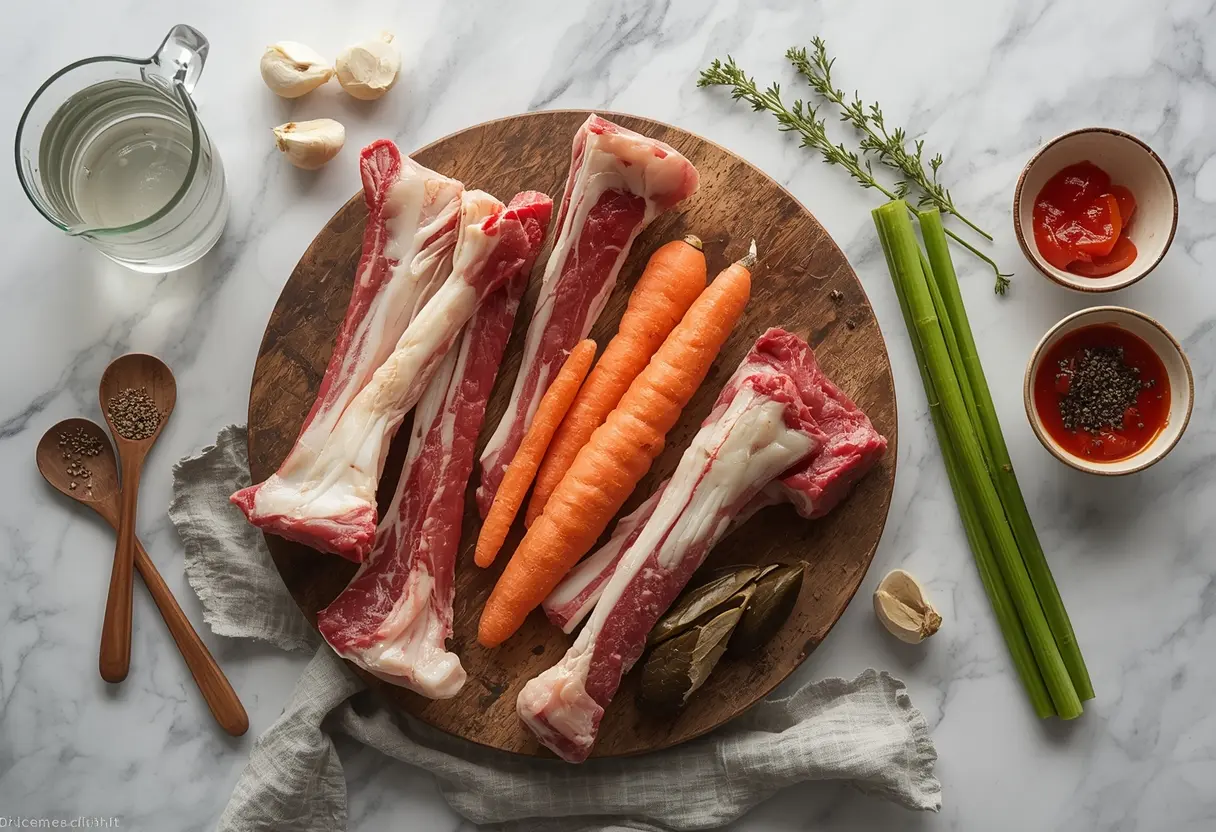
- 5-6 pounds mixed beef bones (marrow, knuckle, and neck bones)
- 2 medium onions, quartered
- 3 medium carrots, roughly chopped
- 3 celery stalks, roughly chopped
- 2 bay leaves
- 6 black peppercorns
- 2 cloves garlic, smashed
- 2 tablespoons apple cider vinegar
- 2 sprigs fresh thyme
- 1 tablespoon tomato paste (optional)
- Cold filtered water
Choose a mix of bones that includes both marrow bones for flavor and joint bones for collagen. Grass-fed beef bones typically produce the most flavorful stock with superior nutrition.
The apple cider vinegar is crucial as it helps extract minerals from the bones. Don’t skip this ingredient, even if you can’t taste it in the final product.
While tomato paste is optional, it adds depth and a beautiful color to your stock. Use it sparingly to avoid overwhelming the natural meat flavors.
Fresh herbs are preferred, but dried can work in a pinch. Just reduce the quantity by half if using dried herbs.
Meat Stock Recipe: Step-by-Step Instructions
Following these precise steps will ensure your stock develops maximum flavor and clarity.
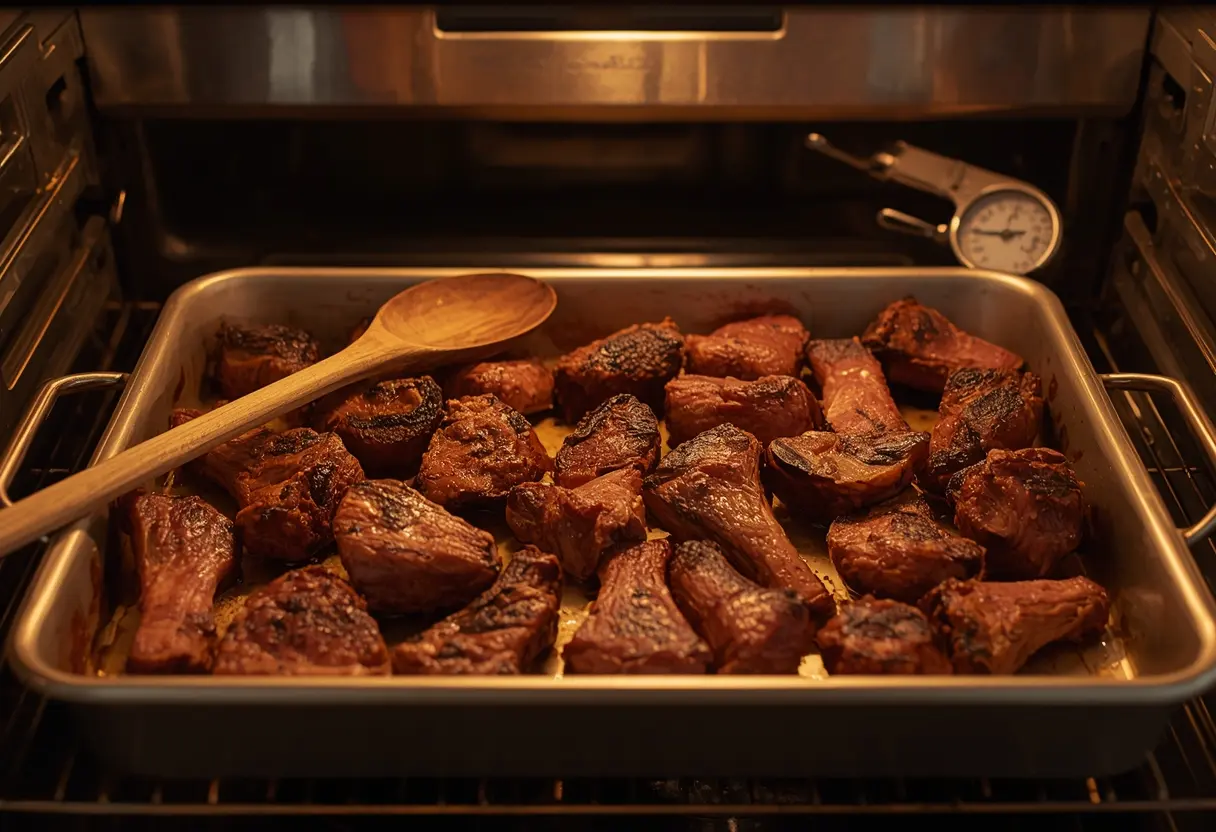
- Preheat your oven to 400°F and arrange bones on a large Roasting Pan
- Roast bones for 45-60 minutes, turning once, until deeply browned
- Transfer bones to a Large Stockpot and deglaze the roasting pan
- Add cold water to cover bones by 2-3 inches
- Bring to a very gentle simmer, skimming any foam that rises
- Add vinegar and let stand for 30 minutes
- Add all vegetables and aromatics
- Maintain at barely a simmer for 12-24 hours
- Strain through a Fine-mesh Strainer lined with Cheesecloth
- Cool completely and remove solidified fat if desired
Watch the temperature carefully – a vigorous boil will make your stock cloudy and can give it an off-taste. You want to see only occasional small bubbles rising to the surface.
(You can find out more via meat stock recipe).
If the liquid level drops significantly during cooking, add more cold water to keep the bones covered. Hot water can cloud your stock.
The longer you simmer, the more concentrated your stock will become. For a rich bone broth suitable for the GAPS diet, aim for the full 24 hours.
(You can find out more via meat stock recipe).
Tips for Perfect Results
- Always start with cold water to extract maximum gelatin
- Never stir the pot while simmering
- Skim foam regularly during the first hour
- Keep temperature low and steady
- Use filtered water for the cleanest taste
- Roast bones until dark brown but not burnt
- Don’t add salt until the end
- Strain multiple times for crystal clarity
- Cool quickly in an ice bath
- Leave some fat for flavor and mouthfeel
The most common mistake is boiling instead of simmering. If your stock boils, it will become cloudy and may develop off-flavors. A proper simmer should be almost still, with just occasional small bubbles.
For maximum gelatin extraction, crack larger bones to expose the marrow before roasting. This also helps release more nutrients into your stock.
Serving Suggestions
Use your homemade beef stock as a base for classic French onion soup, rich gravies, or warming stews. Its deep flavor adds dimension to any dish that calls for broth or stock.
For a simple yet nourishing drink, warm the stock and season with salt and fresh herbs. This is particularly popular among those following the GAPS diet protocol.
Add a splash when deglazing pans after searing Meat to create instant pan sauces with incredible depth.
Use it to cook grains like rice or quinoa for an extra boost of flavor and nutrition.
Storage & Reheating
Cool the stock completely before storing. It will keep in the refrigerator for up to 5 days, developing a natural gelatin layer on top when chilled.
For longer storage, freeze in various portion sizes. Ice cube trays work well for small amounts needed in sauces, while quart containers are perfect for soups.
When reheating, warm gently over medium-low heat. Rapid boiling can make the stock cloudy and affect its texture.
If frozen, thaw overnight in the refrigerator for best results.
Variations
How to Make Meat Stock with Mixed Bones
Combine beef, veal, and lamb bones for a more complex flavor profile. This works especially well for traditional French-style stocks.
Adjust roasting times based on bone size and type to ensure even browning.
Homemade Beef Stock Recipe with Asian Flavors
Add ginger, star anise, and lemongrass for an Asian-inspired stock perfect for pho or other Asian soups.
Consider charring the onions and ginger before adding them to the pot for authentic flavor.
Making Your Own Beef Stock from Scratch with Vegetables
Double the vegetables and add parsnips and leeks for a more vegetal profile. This version works beautifully in vegetable-forward soups.
Roast the vegetables alongside the bones for extra depth of flavor.
Quick Meat Stock for Busy Cooks
Use a pressure cooker to reduce cooking time to 3-4 hours while still extracting good flavor and gelatin.
Let pressure release naturally to prevent the stock from becoming cloudy.
FAQ
What’s the difference between stock and broth?
Stock is made primarily from bones and cooked longer for more gelatin content, while broth uses more meat and cooks for less time.
Why isn’t my stock gelatinous when chilled?
This usually means either too much water was used or the cooking temperature was too high. Try reducing the liquid or using more joint bones next time.
Can I make this recipe in a slow cooker?
Yes, but first roast the bones and transfer them to the slow cooker. Cook on low for 24-48 hours for best results.
Why do you add vinegar to the stock?
The acid in vinegar helps extract minerals and collagen from the bones, resulting in a more nutritious stock.
How do I know when my stock is done?
The stock should be rich golden-brown in color and flavorful. The bones should be very soft and possibly crumbling.
Can I reuse the bones for another batch?
While possible, a second batch will be significantly weaker. It’s best to use fresh bones each time.
Why did my stock turn cloudy?
Cloudy stock usually results from boiling instead of simmering, or from stirring the pot too much during cooking.
Should I add salt while cooking?
Wait to season until the stock is finished and reduced to your desired concentration to avoid over-salting.
Kitchen Tools You’ll Need
- Large Stockpot
- Roasting Pan
- Fine-mesh Strainer
- Cheesecloth
- Large Mixing Bowls
- Skimmer Or Large Spoon
- Sharp Knife
- Cutting Board
More Recipes You May Like



The Ultimate Marinades & Rubs Guide
To receive the book for free, please send the following information via email.
Newsletter Frequency