The Best Fluffy Pancakes recipe you will fall in love with. Full of tips and tricks to help you make the best pancakes.

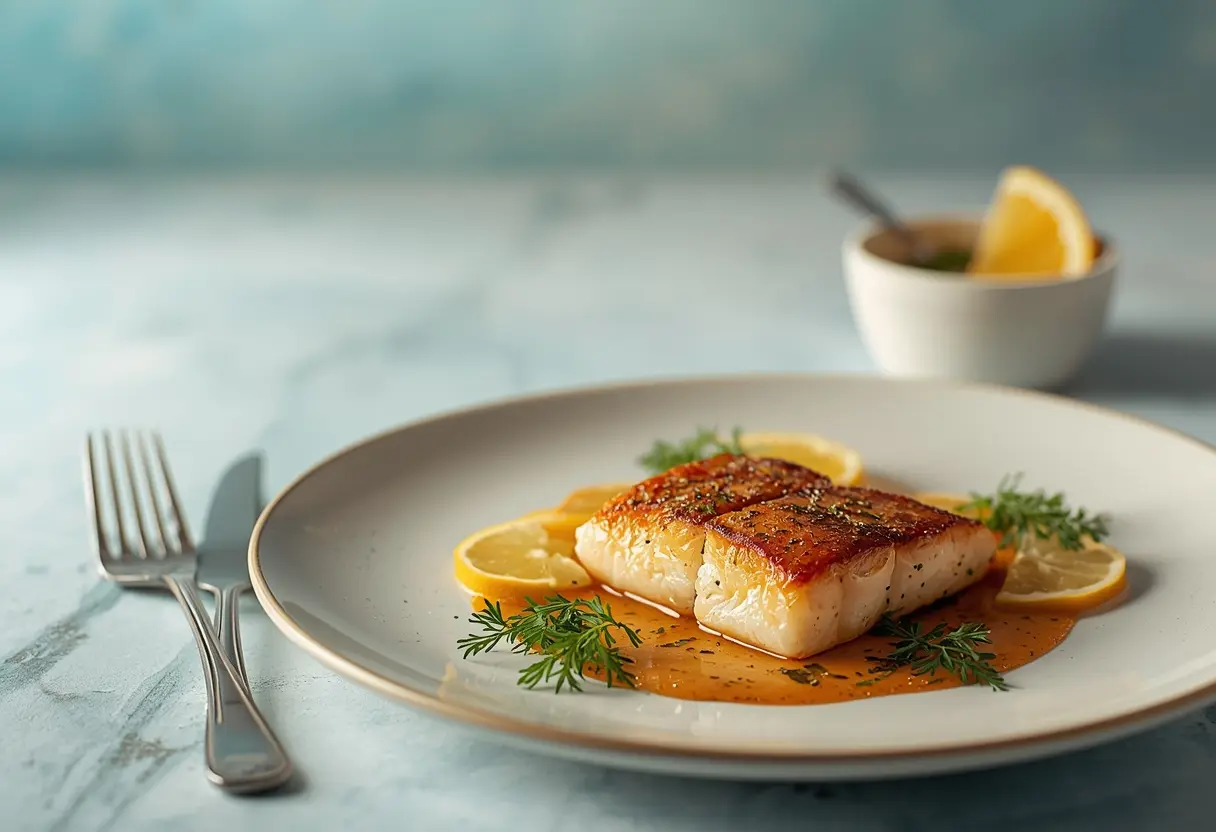
Opah fish recipe starts with selecting a beautiful piece of this prized Hawaiian fish, known for its rich, buttery flavor and firm, salmon-like texture. Whether you’re new to cooking seafood or an experienced home chef, this complete guide will help you create a restaurant-quality opah dish that’s sure to impress.
This versatile fish, also known as moonfish, takes well to various cooking methods and pairs beautifully with bright, citrusy flavors and fresh herbs. Today, we’ll explore a foolproof method that highlights opah’s natural sweetness while keeping it perfectly moist.
Prep Time: 20 minutes
Cook Time: 12-15 minutes
Total Time: 35 minutes
Yield: 4 servings
Diet: Gluten-free, Low-carb
Contents
hide
Ingredients
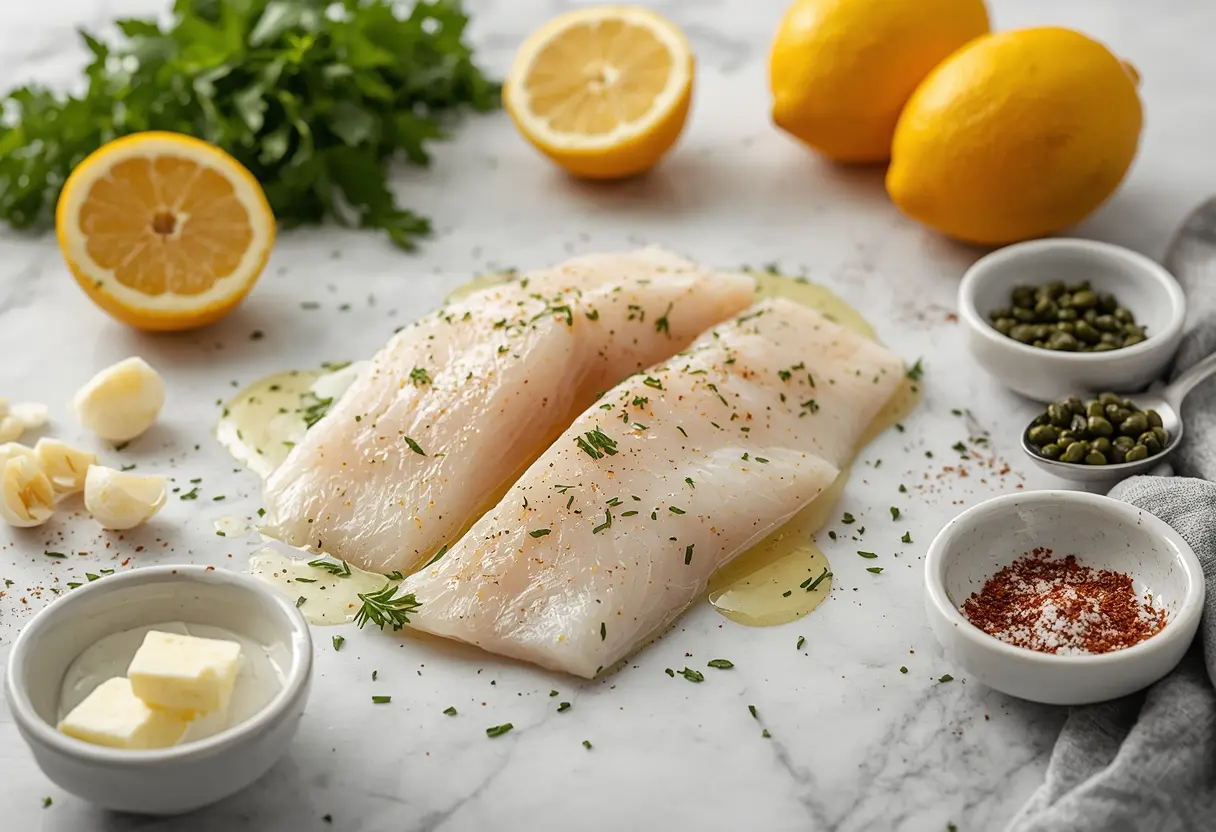
- 4 opah fillets (6-8 ounces each)
- 2 tablespoons extra virgin olive oil
- 2 tablespoons unsalted butter
- 4 cloves garlic, minced
- 1 lemon, juiced and zested
- 2 oranges, juiced
- 1/4 cup fresh herbs (parsley, cilantro, or dill)
- 1 shallot, finely diced
- 1 teaspoon sea salt
- 1/2 teaspoon freshly ground black pepper
- 1/4 teaspoon red pepper flakes (optional)
- 2 tablespoons capers (optional)
When selecting opah, look for fillets with a vibrant pink-red color and firm texture. Fresh opah should have a clean, oceanic smell without any strong fishy odor.
The thickness of your fillets will affect cooking time – aim for pieces that are about 1-inch thick for best results. If your fillets are thicker, you’ll need to adjust cooking time accordingly.
While fresh opah is ideal, you may find frozen fillets at specialty seafood markets. If using frozen, thaw completely in the refrigerator overnight and pat dry thoroughly before cooking.
For the citrus components, Meyer lemons make an excellent substitute when in season. Their sweeter profile complements opah’s natural flavors beautifully.
Opah Fish Recipe: Step-by-Step Instructions
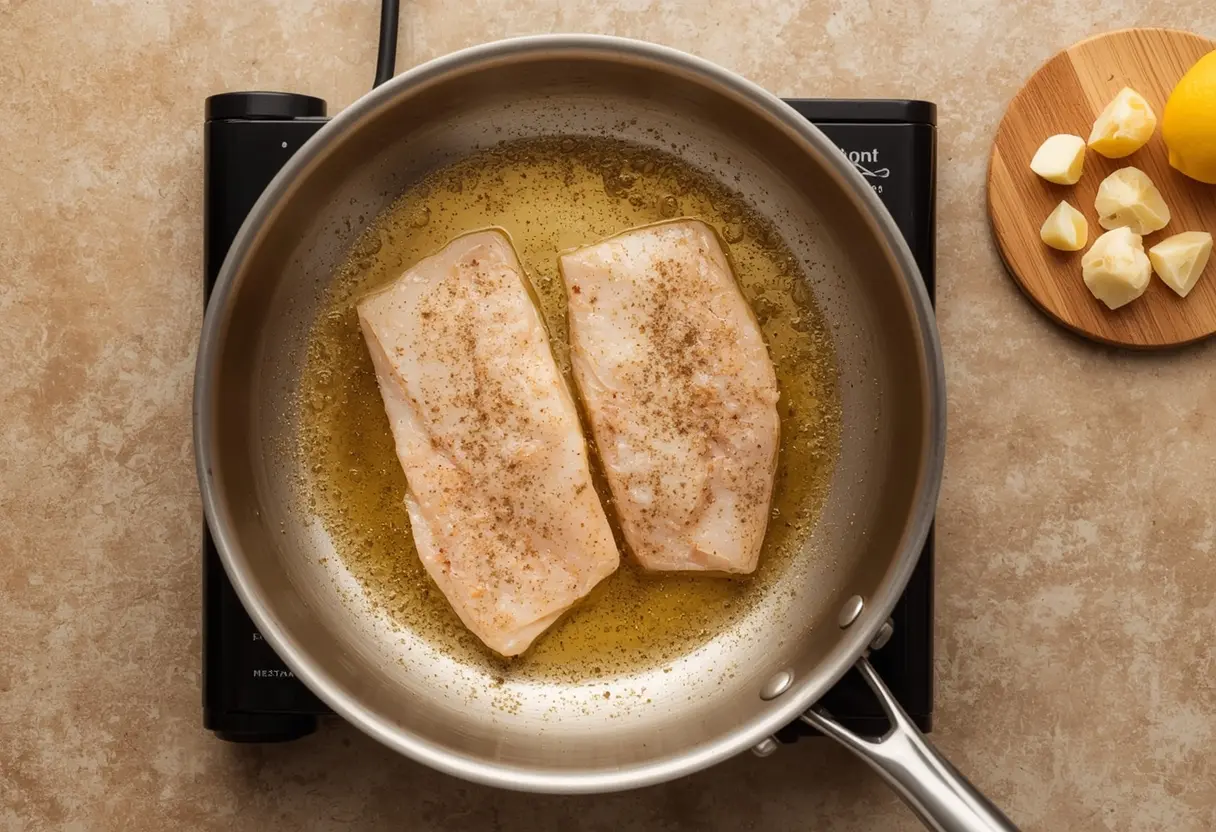
Before you begin, ensure all ingredients are ready and at room temperature for even cooking.
- Remove opah fillets from refrigerator 30 minutes before cooking and pat dry with paper towels
- Season both sides of fillets generously with salt and pepper
- Heat olive oil in a large skillet over medium-high heat until shimmering
- Carefully place fillets in the hot pan, skin side up
- Sear for 4-5 minutes until golden brown crust forms
- Flip fillets and add butter and garlic to the pan
- Baste fish with the melted butter mixture for 3-4 minutes
- Add lemon juice and orange juice to the pan
- Cook for additional 2-3 minutes until fish is just cooked through
- Remove from heat and let rest for 3 minutes before serving
(You can find out more via opah fish recipe).
The key to perfectly cooked opah is watching for visual cues. The flesh should turn from translucent to opaque, but still remain slightly pink in the center – this ensures maximum moisture retention.
If your fish is sticking to the pan, resist the urge to force it – it will release naturally when properly seared. This typically takes 4-5 minutes on the first side.
(You can find out more via opah fish recipe).
A common mistake is overcooking opah, which can make it dry and tough. The Fish will continue cooking slightly during the resting period, so remove it from heat when it’s just shy of your desired doneness.
Tips for Perfect Results
- Always bring fish to room temperature before cooking
- Use a heavy-bottomed stainless steel or cast-iron skillet
- Don’t move the fish for the first 4 minutes of searing
- Check for doneness by gently pressing – it should be firm but still spring back
- Keep pan heat consistent throughout cooking
- Baste frequently during the final cooking stage
- Let the fish rest after cooking
- Don’t overcrowd the pan – cook in batches if needed
- Save pan juices for serving
- Adjust cooking time based on fillet thickness
The most critical factor in achieving restaurant-quality results is maintaining proper heat throughout the cooking process. If your pan isn’t hot enough initially, you won’t achieve that golden crust that locks in moisture.
For extra flavor, consider adding herbs to the pan during the basting stage. The heat will release their essential oils, infusing the fish with aromatic compounds.
Serving Suggestions
Serve your perfectly cooked opah immediately, drizzled with the pan juices and garnished with fresh herbs. A bright citrus salsa makes an excellent accompaniment, complementing the rich, buttery flesh of the fish.
For a complete meal, pair with roasted fingerling potatoes and sautéed seasonal vegetables. The potatoes can roast while you’re preparing the fish, making timing easy to manage.
A light, crisp white wine such as Sauvignon Blanc or unoaked Chardonnay pairs beautifully with this dish. For non-alcoholic options, a sparkling water with a splash of citrus juice works well.
Consider serving with a side of Asian-inspired slaw for texture contrast and added freshness. The crunch provides a pleasant counterpoint to the tender fish.
Storage & Reheating
While opah is best enjoyed fresh, leftovers can be stored in an airtight container in the refrigerator for up to 2 days. Ensure the fish has cooled completely before storing.
To reheat, place the fish in a preheated 275°F oven, covered with foil, for 10-12 minutes. This gentle reheating helps prevent the fish from drying out.
For best results, store any citrus salsa or sauce separately and add just before serving the reheated fish.
Avoid microwaving leftover opah as this can result in uneven heating and dry, rubbery texture.
Variations
Grilled Opah with Herb Butter
Preheat your grill to medium-high heat. Brush the opah with olive oil and season well. Grill for 4-5 minutes per side, basting with herb-infused butter.
Create a compound butter with fresh herbs, garlic, and lemon zest to enhance the grilled flavor.
How to Cook Opah with Asian Flavors
Marinate the fish in a mixture of soy sauce, ginger, garlic, and sesame oil for 30 minutes before cooking. Follow the same searing technique, finishing with a drizzle of toasted sesame oil.
Serve with steamed bok choy and rice for an Asian-inspired meal.
Seared Opah with Citrus Salsa
Prepare a fresh salsa with diced oranges, grapefruit, red onion, jalapeño, and cilantro. Cook the opah according to the main recipe and top with the citrus salsa before serving.
This bright, fresh topping cuts through the richness of the fish perfectly.
Mediterranean-Style Opah
Cook the opah with olive oil, garlic, and herbs de Provence. Serve with a tomato-caper sauce and a side of roasted Mediterranean vegetables.
This variation works particularly well for summer entertaining.
FAQ
What does opah fish taste like?
Opah has a rich, buttery flavor similar to salmon but with a firmer texture. The taste is mild and sweet with a clean finish, making it appealing even to those who don’t typically enjoy fish.
Where can I buy opah fish?
Opah can be found at specialty seafood markets and some high-end grocery stores. If you can’t find it fresh, many retailers offer flash-frozen opah fillets which work well in this recipe.
Is opah fish healthy?
Yes, opah is an excellent source of lean protein, omega-3 fatty acids, and essential minerals. It’s particularly rich in selenium and vitamin B12, making it a nutritious choice for any diet.
Can I freeze raw opah?
Yes, you can freeze raw opah for up to three months. Wrap it tightly in plastic wrap, then place in a freezer bag, removing as much air as possible before sealing.
What’s the best temperature to cook opah?
For optimal results, cook opah to an internal temperature of 130-135°F for medium-rare to medium. The flesh should be just barely opaque throughout.
How do I prevent opah from drying out?
Avoid overcooking by watching for visual cues and using a meat thermometer. The basting technique in this recipe also helps maintain moisture during cooking.
Can I use this recipe for other fish?
This recipe works well with other firm, meaty fish like swordfish, mahi-mahi, or tuna steaks. Adjust cooking times based on the thickness of your fillets.
What’s the best oil for cooking opah?
Use oils with high smoke points like extra virgin olive oil, avocado oil, or grapeseed oil. These oils can withstand the high heat needed for proper searing.
Recommended Kitchen Tools
- Heavy-bottomed Skillet
- Fish Spatula
- Meat Thermometer
- Sharp Chef’s Knife
- Cutting Board
- Measuring Spoons
- Citrus Juicer
- Paper Towels
More Recipes You May Like
The Ultimate Marinades & Rubs Guide
To receive the book for free, please send the following information via email.
Newsletter Frequency