The Best Fluffy Pancakes recipe you will fall in love with. Full of tips and tricks to help you make the best pancakes.

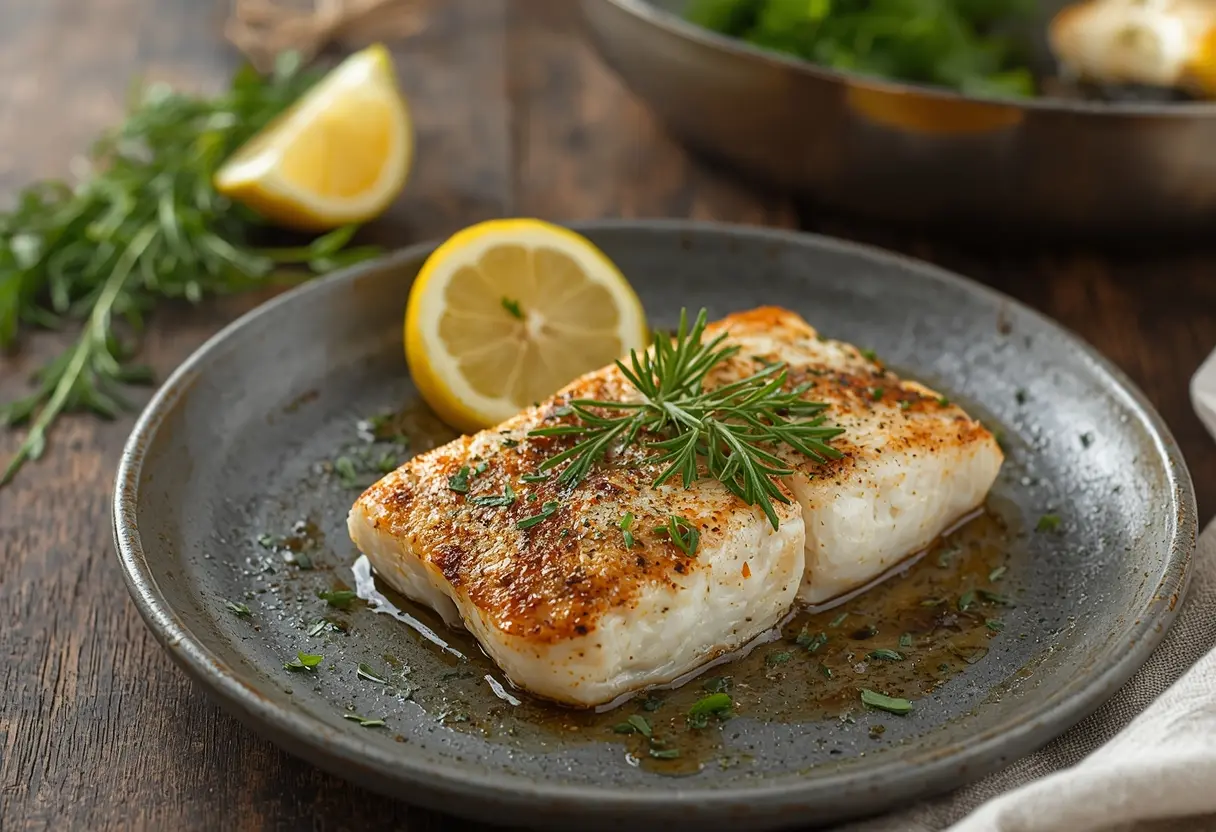
Opah fish recipe preparation starts with understanding this unique and flavorful Hawaiian fish, known for its rich, buttery texture and versatile cooking applications. Whether you’re new to cooking this premium seafood or looking to perfect your technique, this comprehensive guide will help you create a restaurant-quality dish at home. Often called moonfish, opah delivers a mild yet distinctive flavor that pairs beautifully with both bold and subtle seasonings.
This prized catch from Hawaiian waters offers lean, protein-rich meat with a firm texture that holds up wonderfully during cooking. The following recipe showcases the best way to prepare opah while maintaining its natural moisture and delicate flavor profile.
Prep Time: 20 minutes
Cook Time: 12-15 minutes
Total Time: 35 minutes
Yield: 4 servings
Diet: Gluten-free, Low-carb
Contents
hide
Ingredients
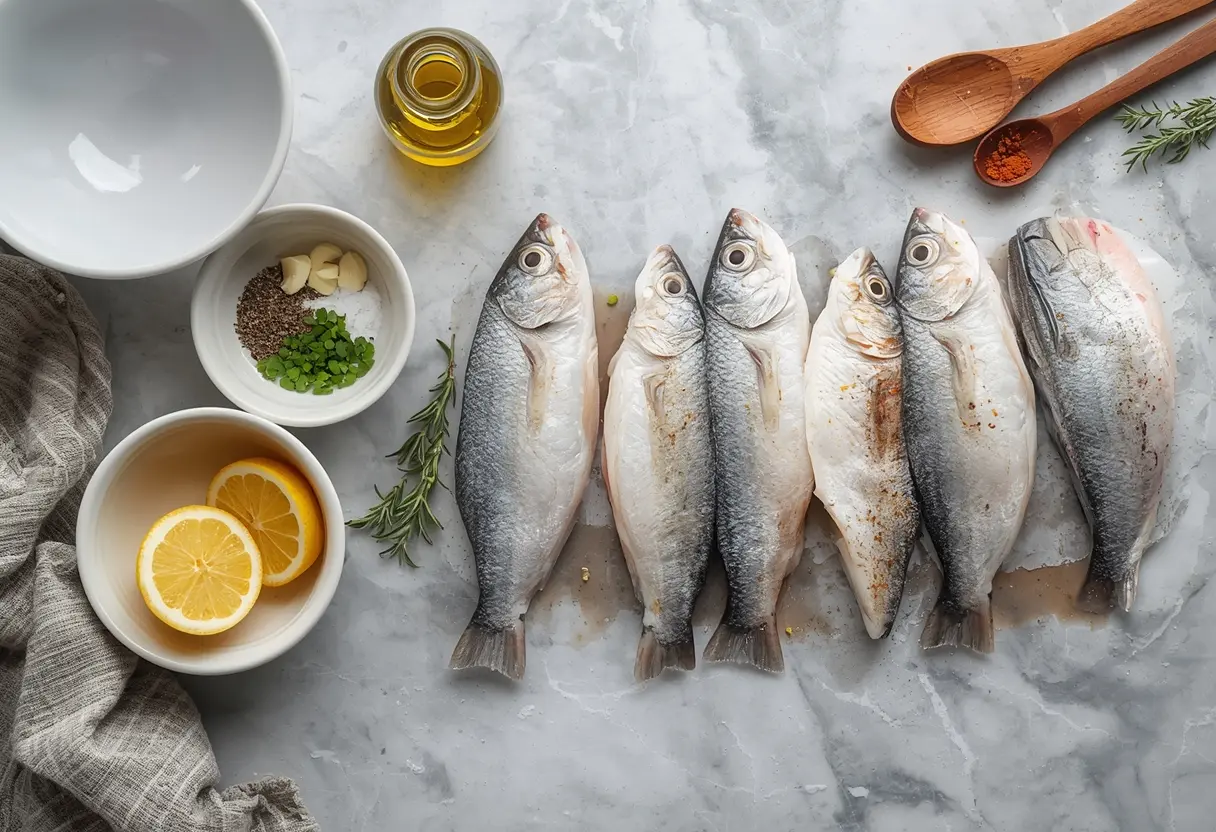
- 4 opah fish fillets (6-8 ounces each)
- 2 tablespoons extra virgin olive oil
- 3 cloves garlic, minced
- 1 lemon, juiced and zested
- 1 tablespoon fresh thyme leaves
- 1 tablespoon fresh rosemary, chopped
- 1 teaspoon sea salt
- 1/2 teaspoon freshly ground black pepper
- 1/4 teaspoon paprika
- 2 tablespoons butter
- Fresh herbs for garnish
When selecting opah fillets, look for firm, pink-colored flesh without any brown spots or strong fishy odor. Fresh opah should have a clean, oceanic scent and slight sheen to its surface.
For the best results, purchase your opah from a reputable seafood market or fishmonger who can verify its freshness and source. If fresh isn’t available, high-quality frozen opah is a suitable alternative.
The herbs can be adjusted based on availability – oregano and sage make excellent substitutes for thyme and rosemary. Just maintain the same total quantity to preserve the flavor balance.
Consider adding capers or olives to the recipe for a Mediterranean twist. These briny additions complement opah’s natural flavors beautifully.
Opah Fish Recipe: Step-by-Step Instructions
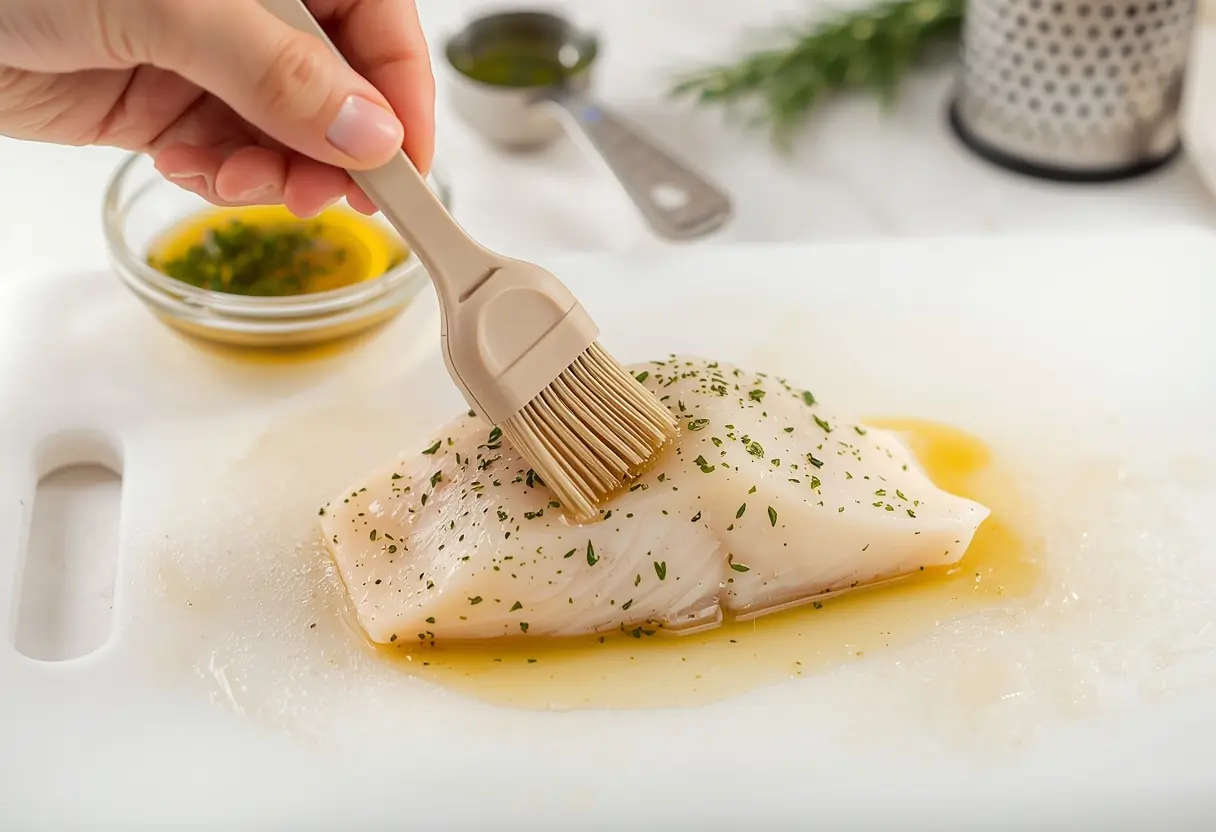
Before beginning, ensure all ingredients are at room temperature for even cooking. Pat the fish fillets dry with Paper Towels to achieve the best sear.
- Combine olive oil, minced garlic, lemon zest, thyme, and rosemary in a small bowl
- Pat the opah fillets dry and season generously with salt, pepper, and paprika
- Brush the herb and oil mixture evenly over both sides of the fillets
- Heat a large skillet over medium-high heat until hot but not smoking
- Add butter to the pan and let it melt until it starts to foam
- Place the fillets in the pan, being careful not to overcrowd
- Cook for 4-5 minutes on the first side until golden brown
- Flip carefully and cook for another 3-4 minutes on the second side
- Check for doneness – the fish should be just opaque throughout
- Remove from heat and let rest for 2-3 minutes before serving
- Drizzle with fresh lemon juice and garnish with herbs
(You can find out more via opah fish recipe).
The key to perfectly cooked opah is watching for visual cues. The flesh should turn from translucent to opaque but still maintain a slight pinkish hue in the center.
If your fillets are thicker than 1 inch, increase cooking time by 1-2 minutes per side. For thinner pieces, reduce cooking time to prevent overcooking.
(You can find out more via opah fish recipe).
A common mistake is moving the fish too early during cooking. Let it develop a proper crust before attempting to flip – it will release naturally from the pan when ready.
Tips for Perfect Results
- Always bring fish to room temperature before cooking
- Use a heavy-bottomed pan for even heat distribution
- Don’t overcrowd the pan – cook in batches if necessary
- Monitor the heat carefully to prevent burning the herbs
- Let the fish rest after cooking to retain juices
- Use a Fish Spatula for easier flipping
- Avoid pressing down on the fillets while cooking
- Check for doneness at the thickest part
- Adjust seasoning just before serving
- Save pan juices for drizzling
Temperature control is crucial when cooking opah. If your pan is too hot, the exterior will burn before the interior is properly cooked. If too cool, the fish will release moisture and become tough.
For restaurant-quality results, invest in a good Instant-read Thermometer. The internal temperature should reach 135°F (57°C) for medium-rare to medium doneness.
Serving Suggestions
Opah pairs beautifully with light, fresh sides that complement its buttery texture. Consider serving it over a bed of citrus-scented quinoa or with roasted fingerling potatoes.
A simple arugula salad dressed with lemon vinaigrette makes an excellent accompaniment, adding peppery notes and freshness to the plate.
For a complete Hawaiian-inspired meal, serve your opah alongside steamed rice and quick-pickled vegetables. The contrast in textures and flavors creates a balanced dining experience.
Don’t forget to garnish with fresh herbs and lemon wedges for both visual appeal and added brightness.
Storage & Reheating
Cooked opah can be stored in an airtight container in the refrigerator for up to 2 days. Ensure it’s completely cooled before storing to prevent condensation.
To reheat, wrap the fish in foil with a splash of water or white wine to maintain moisture. Heat in a 275°F oven for 10-12 minutes, or until just warmed through.
Avoid microwaving if possible, as it can make the fish rubbery. If you must use a microwave, cover the fish and heat in 30-second intervals at 50% power.
Leftover opah can also be served cold in salads or sandwiches, where its firm texture holds up well.
Variations
Grilled Opah Recipe with Tropical Salsa
Prepare your grill for medium-high heat cooking. Brush the opah with oil and season simply with salt and pepper. Grill for 4-5 minutes per side and serve with a fresh mango-pineapple salsa.
The smoke from the grill adds an extra dimension of flavor that complements opah’s natural richness perfectly.
Asian-Inspired Seared Opah
Marinate the fish in a mixture of soy sauce, ginger, and sesame oil for 30 minutes before cooking. Pan-sear and finish with a drizzle of ponzu sauce and green onions. (Read also: Cooking Methods for Fish: A Comprehensive Guide)
This variation highlights how to cook opah fish with bold Asian flavors while maintaining its delicate texture.
Mediterranean-Style Opah Steaks
Season the fish with herbs de Provence and cook in a tomato-based sauce with olives, capers, and white wine. This method keeps the fish moist while infusing it with Mediterranean flavors.
The acidic sauce helps cut through the rich flesh of the opah, creating a balanced dish.
Blackened Opah with Cajun Spices
Coat the fillets in a homemade Cajun spice blend and cook in a cast-iron skillet until a spicy crust forms. Serve with remoulade sauce for an exciting flavor combination.
This bold preparation proves how versatile opah can be when paired with different seasoning profiles.
FAQ
What’s the best temperature for cooking opah fish?
For optimal results, cook opah to an internal temperature of 135°F (57°C) for medium-rare to medium. This ensures the fish remains moist while being fully cooked.
Can I use frozen opah for this recipe?
Yes, frozen opah can be used, but thaw it completely in the refrigerator overnight and pat it dry thoroughly before cooking to ensure proper searing.
How do I know when opah is fully cooked?
Opah is done when it’s just opaque throughout and flakes easily with a fork. The center should still be slightly pink but not translucent.
What’s the best way to prevent opah from drying out?
Avoid overcooking by watching the cooking time carefully and using a meat thermometer. Letting the fish rest after cooking also helps retain moisture.
Can opah be eaten raw?
While some restaurants serve opah raw in sashimi preparations, it’s recommended to cook it for home preparation to ensure food safety.
How long does fresh opah last in the refrigerator?
Raw opah should be used within 1-2 days of purchase when stored properly in the refrigerator at 40°F (4°C) or below.
What wine pairs best with opah?
A medium-bodied white wine like Viognier or unoaked Chardonnay complements opah’s buttery texture and mild flavor perfectly.
Can I grill opah on a cedar plank?
Yes, opah can be grilled on a cedar plank, which adds a subtle smoky flavor while helping to keep the fish moist during cooking.
Kitchen Tools You’ll Need
- Large Skillet Or Sauté Pan
- Fish Spatula
- Instant-read Thermometer
- Sharp Chef’s Knife
- Cutting Board
- Measuring Spoons
- Small Mixing Bowl
- Paper Towels
- Tongs
Extra Reward
🎁 Beyond The Tools: A Gift For You!
I hope you found the kitchen tools recommended above helpful! As a thank you for reading, I’ve unlocked a few exclusive Free Amazon rewards just for my followers.
Includes: Free Audiobooks • Kitchen Discounts • Welcome Boxes
More Recipes You May Like
The Ultimate Marinades & Rubs Guide
To receive the book for free, please send the following information via email.
Newsletter Frequency