The Best Fluffy Pancakes recipe you will fall in love with. Full of tips and tricks to help you make the best pancakes.

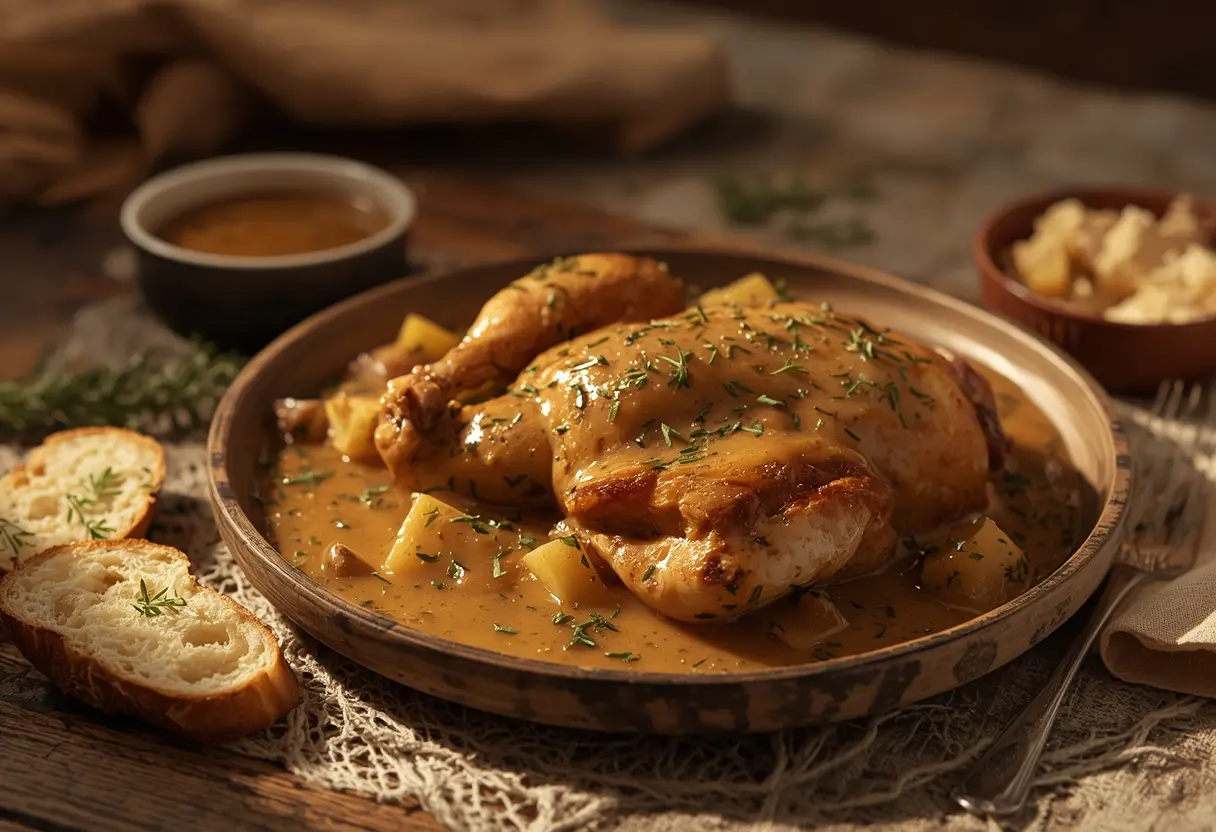
Chicken gravy recipe success starts with understanding a few simple techniques that transform basic ingredients into silky, flavorful sauce. Whether you’re serving Sunday dinner or elevating weeknight meals, mastering this essential skill opens endless possibilities.
Many home cooks feel intimidated by gravy-making, but the truth is remarkably simple. With just butter, flour, and broth, you can create restaurant-quality results every time. No special equipment or culinary degree required.
This guide walks you through creating perfect homemade chicken gravy from scratch, with options for every situation. From traditional pan drippings to clever alternatives when you’re starting from zero, you’ll discover foolproof methods that work.
Understanding the Basics of Chicken Gravy Recipe Success
The foundation of any great chicken gravy recipe lies in the roux. This mixture of fat and flour creates thickness while preventing lumps. Understanding this simple principle transforms your cooking immediately.
Traditional gravy relies on pan drippings from roasted chicken, but modern techniques offer flexibility. You can achieve equally delicious results using butter as your fat base. The key is maintaining proper ratios and temperature control.
Timing matters significantly in gravy preparation. Rushing the process often leads to lumpy, thin, or burnt results. Patient cooking over medium heat ensures smooth, velvety texture every time.
Essential Ingredients for Perfect Chicken Gravy Recipe
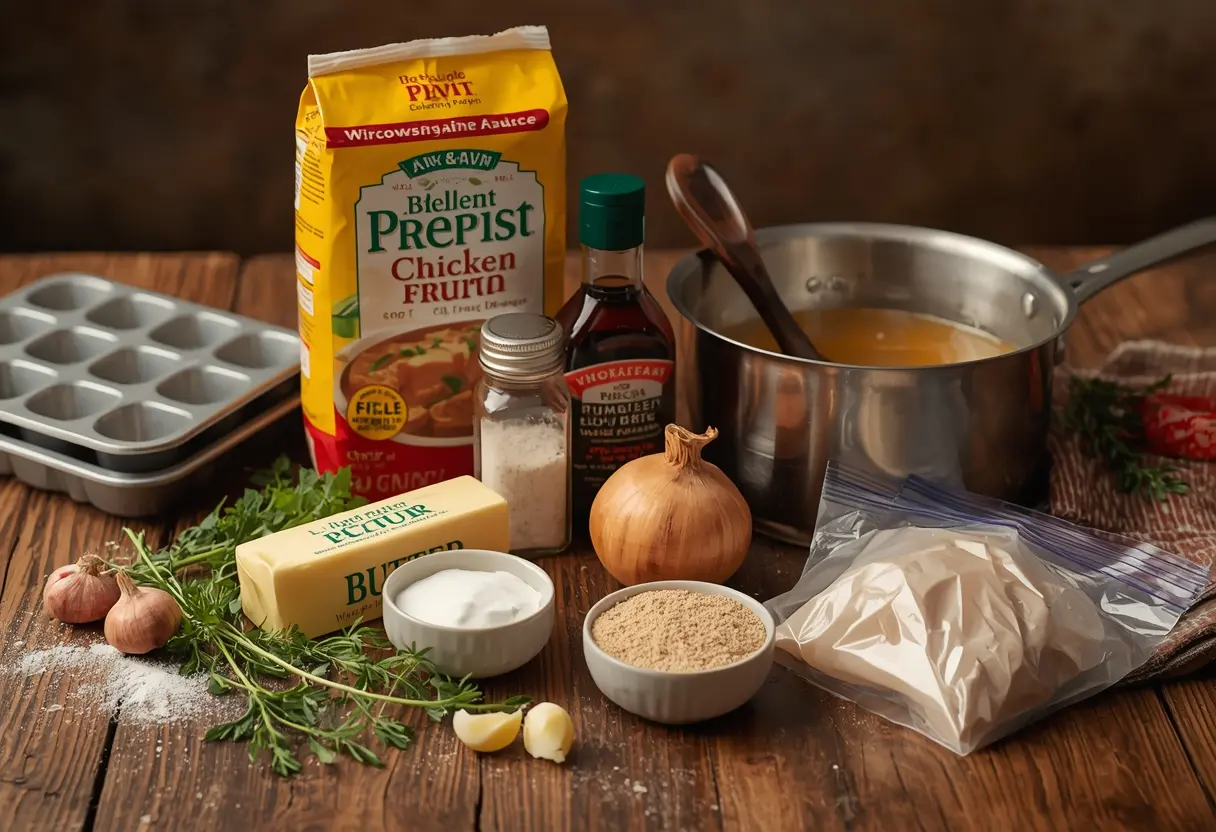
Creating exceptional gravy requires surprisingly few ingredients. Quality matters more than quantity, so choose each component thoughtfully. Fresh ingredients always produce superior results.
Core Ingredients List
Your basic chicken gravy recipe needs butter, all-purpose flour, chicken broth, salt, and pepper. These five ingredients form the foundation of countless variations. Keep them stocked for impromptu gravy-making.
For enhanced flavor, consider adding onion powder, garlic powder, or fresh herbs. A splash of cream transforms simple gravy into something special. Worcestershire sauce adds depth without overwhelming delicate chicken flavors.
Choosing the Right Chicken Broth
Broth quality directly impacts your final result. Homemade stock delivers unmatched flavor, but high-quality store-bought options work excellently. Low-sodium varieties give you better control over seasoning.
When learning how to make chicken gravy without drippings, robust broth becomes even more critical. Look for brands with rich color and genuine chicken flavor. Avoid overly salty or artificial-tasting products.
Step-by-Step Chicken Gravy Recipe Instructions
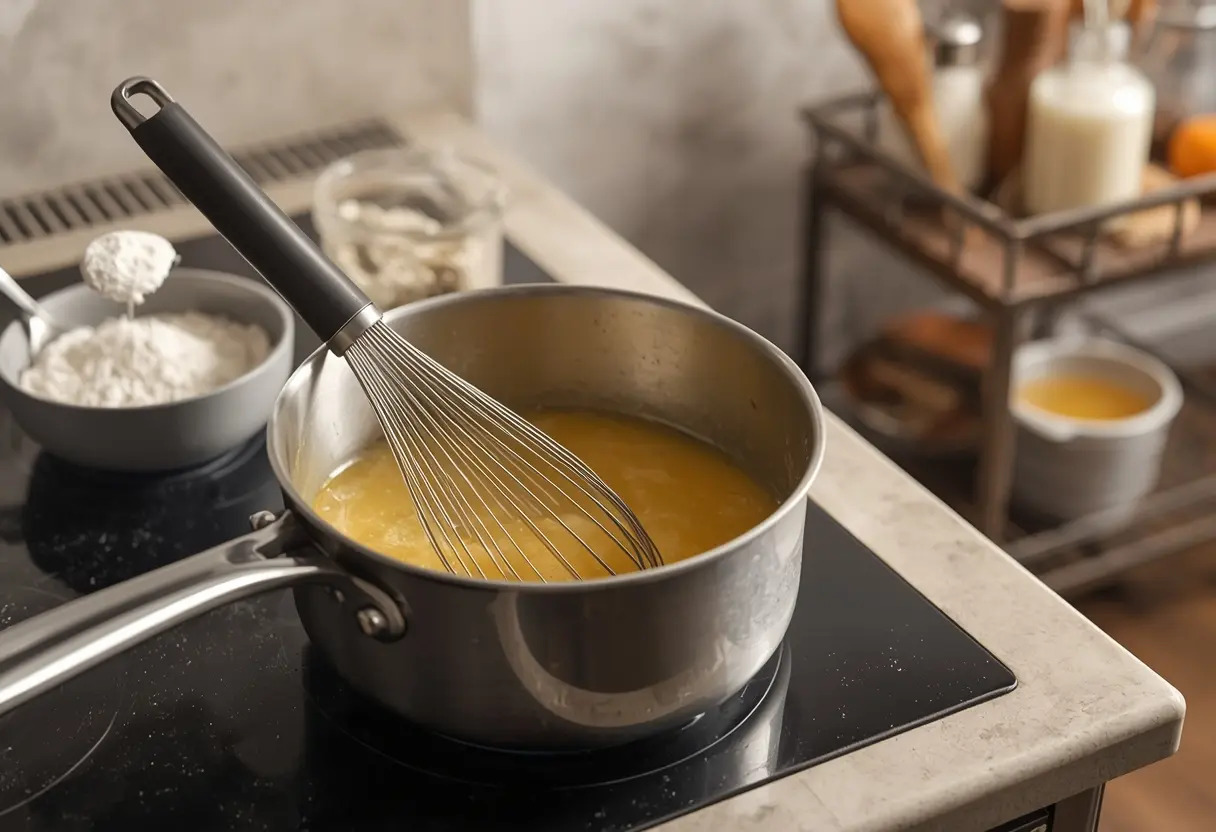
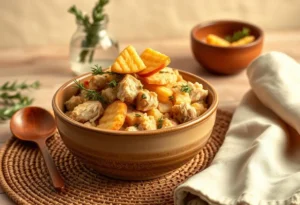
Begin by melting four tablespoons of butter in a medium saucepan over medium heat. Watch carefully as butter transforms from solid to liquid gold. This forms your flavor base. chicken gravy recipe
Once butter melts completely, add four tablespoons of flour. Whisk continuously, creating a smooth paste called roux. Cook for two minutes, stirring constantly to prevent burning. chicken gravy recipe
Slowly pour in two cups of warm chicken broth while whisking vigorously. This gradual addition prevents lumps from forming. Continue whisking until mixture smooths completely.
Bring your gravy to a gentle simmer, stirring frequently. The mixture thickens as it heats, reaching perfect consistency in about five minutes. Taste and adjust seasoning with salt and pepper.
For extra richness, stir in a splash of cream during the final minute. This easy chicken gravy recipe with flour delivers consistent results every time you make it.
Mastering the Art of Making Chicken Gravy Without Drippings
Not every meal provides pan drippings, but delicious gravy remains achievable. This technique proves invaluable for rotisserie chicken dinners or when cooking chicken breasts separately.
Start by creating deeper flavor through sautéed aromatics. Dice a small onion finely and cook in butter until translucent. This adds complexity missing from drippings-free versions.
Build layers by adding minced garlic, cooking briefly until fragrant. These aromatics compensate beautifully for absent drippings. Proceed with your standard roux-making process.
Consider browning your butter slightly before adding flour. This nutty flavor mimics the richness of pan drippings. Just watch carefully to prevent burning.
Common Mistakes to Avoid in Your Chicken Gravy Recipe
Lumpy gravy tops the list of common failures. This occurs when flour clumps instead of incorporating smoothly. Prevent this by whisking constantly during liquid addition.
Temperature control prevents many gravy disasters. High heat causes burning and separation. Low heat prevents proper thickening. Medium heat provides the perfect balance.
Over-thickening creates paste-like consistency nobody enjoys. Remember that gravy continues thickening as it cools. Stop cooking when consistency appears slightly thinner than desired.
Under-seasoning leaves gravy bland and uninspiring. Taste frequently during cooking, adjusting salt and pepper gradually. Well-seasoned broth provides an excellent starting point.
Creative Variations for Your Chicken Gravy Recipe
Transform basic gravy into gourmet sauce with simple additions. Fresh herbs like thyme, rosemary, or sage complement chicken beautifully. Add them during the simmering stage. (Read also: Mastering the Art of Making Chicken Gravy Without Drippings)
Mushroom lovers can sauté sliced mushrooms before making roux. This creates an elegant mushroom-chicken gravy perfect for special occasions. Strain before serving for smooth texture.
Wine adds sophistication to any chicken gravy recipe. Replace quarter cup of broth with white wine for subtle complexity. Allow alcohol to cook off during simmering.
For a simple chicken gravy from broth with Southern flair, add crumbled cooked sausage. This hearty variation transforms biscuits and gravy into a complete meal.
Storage and Reheating Tips
Proper storage extends gravy life significantly. Cool completely before refrigerating in airtight containers. Well-stored gravy lasts up to four days refrigerated.
Freezing offers longer storage options. Pour cooled gravy into ice cube trays for convenient portions. Transfer frozen cubes to freezer bags for three-month storage.
Reheating requires gentle technique to maintain texture. Use low heat, stirring frequently. Add small amounts of broth if gravy thickened during storage.
Microwave reheating works for small portions. Use fifty percent power, stirring every thirty seconds. This prevents hot spots and maintains smooth consistency.
Serving Suggestions and Pairings
Your perfected chicken gravy recipe enhances countless dishes. Classic pairings include mashed potatoes, stuffing, and roasted vegetables. Don’t limit yourself to traditional applications.
Transform leftover chicken into comforting pot pie filling. Mix shredded chicken with vegetables and gravy, then top with pastry. This creates an entirely new meal.
Use gravy as a base for chicken and dumplings or shepherd’s pie. These hearty dishes showcase your gravy-making skills while feeding hungry families.
Consider gravy as a pasta sauce alternative. Toss with egg noodles and chicken for quick weeknight comfort food. Add peas or carrots for complete nutrition.
Mastering this essential chicken gravy recipe opens endless culinary possibilities. From holiday feasts to Tuesday night dinners, you’ll find yourself reaching for these techniques repeatedly. With practice, creating silky, flavorful gravy becomes second nature, elevating every meal it touches.
Recommended Kitchen Tools
- Medium Saucepan
- Wooden Spoon
- Whisk
- Measuring Cups
- Measuring Spoons
- Sharp Knife
- Cutting Board
- Fine-mesh Strainer
- Ladle
More Recipes You May Like





The Ultimate Marinades & Rubs Guide
To receive the book for free, please send the following information via email.
Newsletter Frequency