The Best Fluffy Pancakes recipe you will fall in love with. Full of tips and tricks to help you make the best pancakes.

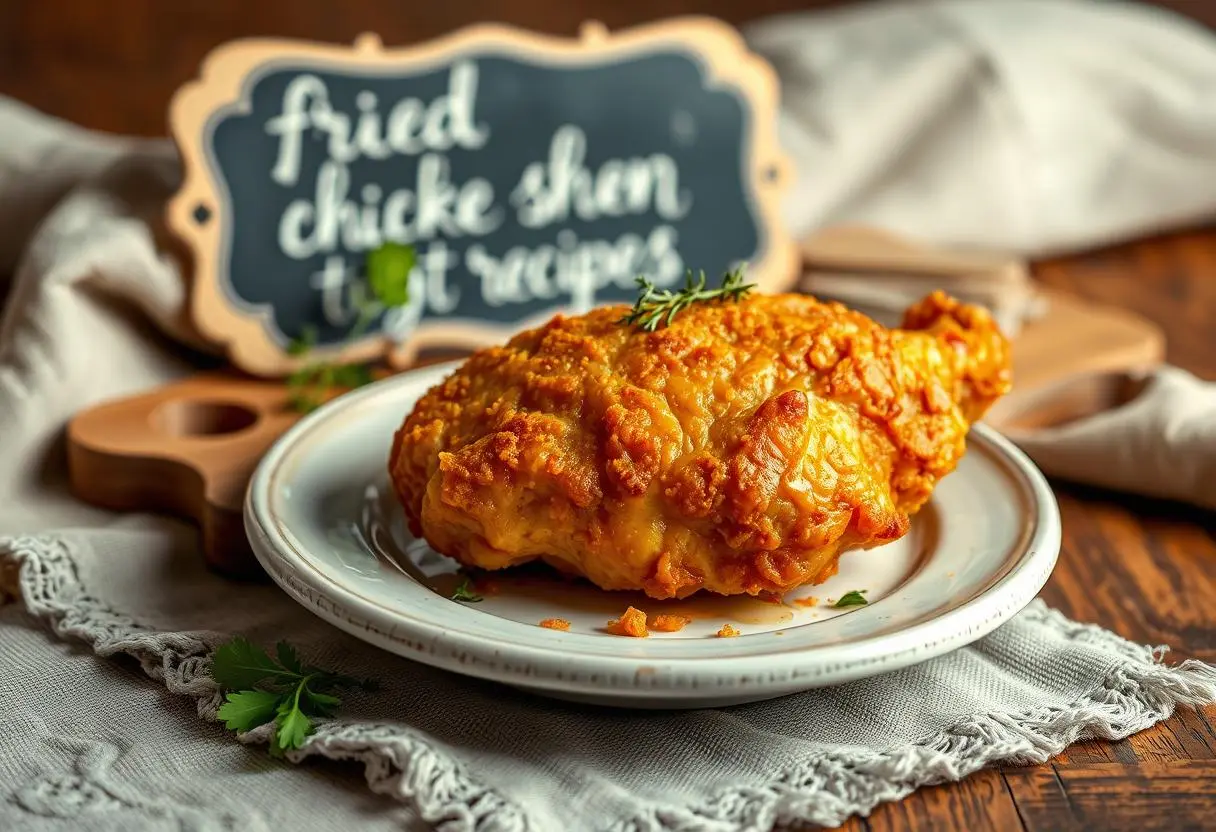
Fried Chicken thigh recipes are the ultimate comfort food that brings families together around the dinner table with crispy, golden perfection in every bite. Chicken thighs offer more flavor and juiciness than breasts, and their higher fat content means they stay tender even if you accidentally cook them a minute too long. Whether you’re craving a classic Southern-style dinner or a quick weeknight meal, mastering the art of frying chicken thighs will transform your home cooking.
The secret to restaurant-quality fried chicken at home lies in understanding a few key techniques that professional chefs use every day. From the right oil temperature to the perfect seasoning blend, each step builds toward that irresistible crunch and juicy interior.
This comprehensive guide will walk you through everything you need to know, from selecting the best chicken thighs at the market to achieving that coveted crispy coating that doesn’t fall off when you take the first bite.
Prep Time: 20 minutes
Cook Time: 25 minutes
Total Time: 45 minutes
Yield: 6 servings
Calories: 420 per serving
Contents
hide
Ingredients
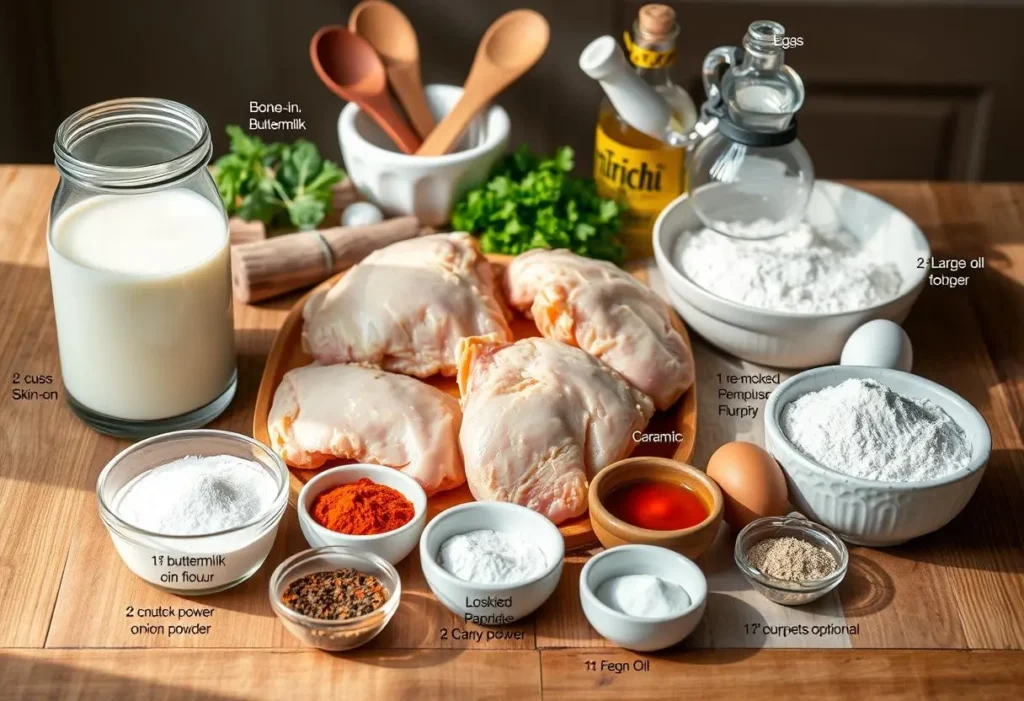
- 6 bone-in, skin-on chicken thighs (about 2.5 pounds)
- 2 cups buttermilk
- 2 cups all-purpose flour
- 1 tablespoon garlic powder
- 1 tablespoon onion powder
- 2 teaspoons smoked paprika
- 2 teaspoons cayenne pepper
- 1 tablespoon kosher salt
- 1 teaspoon black pepper
- 1 teaspoon dried thyme
- 1 teaspoon dried oregano
- 3 cups vegetable oil or peanut oil for frying
- 2 large eggs
- 1 tablespoon hot sauce (optional)
When shopping for chicken thighs, look for pieces that are roughly the same size so they cook evenly. Bone-in, skin-on thighs are essential for this crispy fried chicken thighs recipe because the bone adds flavor and helps regulate cooking temperature while the skin crisps beautifully.
Buttermilk is the traditional choice for marinating because its acidity tenderizes the meat and helps the coating adhere. If you don’t have buttermilk, mix regular milk with a tablespoon of lemon juice or white vinegar and let it sit for five minutes.
The flour blend creates the foundation of your coating. Some cooks prefer adding a quarter cup of cornstarch to the flour mixture for extra crispiness, which creates a lighter, crunchier texture.
For the oil, peanut oil has a high smoke point and adds a subtle nutty flavor, while vegetable oil is more neutral. Avoid olive oil as its low smoke point makes it unsuitable for frying at high temperatures.
The spice blend can be adjusted to your family’s preferences. If you’re cooking for kids or those who prefer milder flavors, reduce the cayenne to half a teaspoon or omit it entirely.
Fresh herbs can replace dried ones, but you’ll need three times the amount since dried herbs are more concentrated. The smoked paprika adds depth and a hint of smokiness that elevates the overall flavor profile.
Room temperature chicken cooks more evenly than cold chicken straight from the refrigerator, so take your thighs out about thirty minutes before you start cooking. This small step prevents the outside from overcooking while the inside reaches safe temperatures.
Fried Chicken Thigh Recipes: Step-by-Step Instructions
Following these steps carefully will ensure your chicken turns out perfectly crispy on the outside and juicy on the inside every single time.
- Place chicken thighs in a large bowl and pour buttermilk over them, ensuring each piece is completely submerged, then cover and refrigerate for at least 2 hours or up to overnight.
- Remove chicken from the refrigerator 30 minutes before cooking to bring it to room temperature.
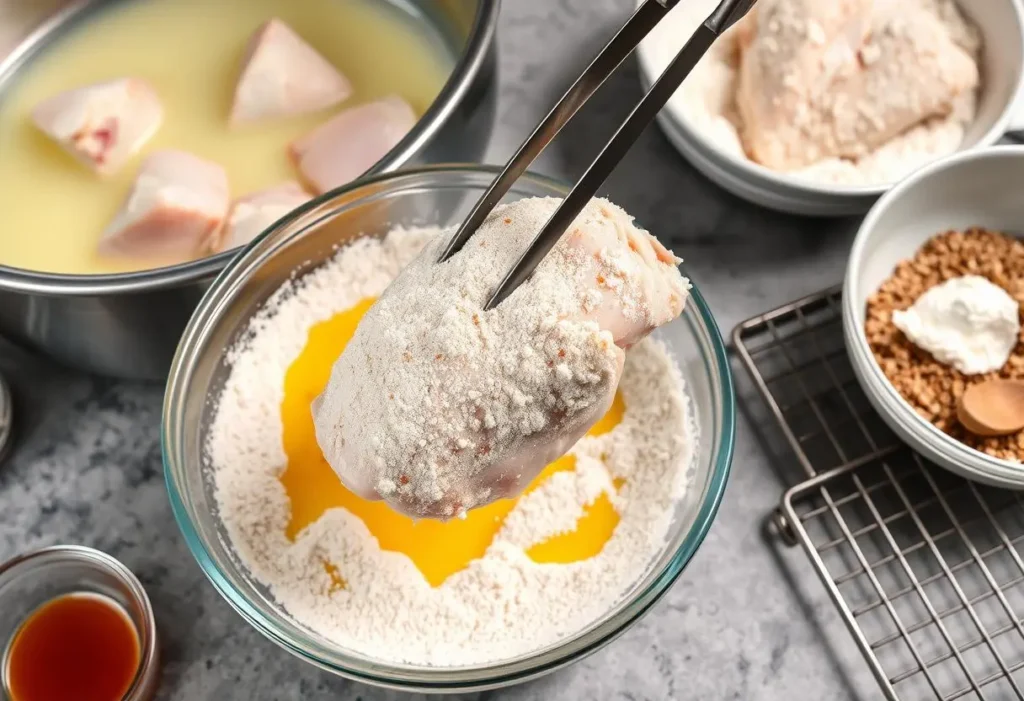
- Set up your dredging station with two shallow bowls: whisk eggs and hot sauce in one bowl, and combine flour with all spices in the other bowl.
- Heat oil in a Large Heavy-bottomed Skillet Or Cast Iron Pan to 350°F, using enough oil to come about halfway up the sides of the chicken pieces.
- Remove one chicken thigh from buttermilk, letting excess drip off, then dredge it in the seasoned flour, pressing firmly to coat all surfaces.
- Dip the floured chicken into the egg mixture, coating completely, then return it to the flour mixture for a second coating, pressing to create a thick crust.
- Carefully place the coated chicken thigh skin-side down in the hot oil, being careful not to overcrowd the pan (work in batches if necessary).
- Fry for 12-14 minutes on the first side without moving the chicken, allowing the coating to set and turn deep golden brown.
- Flip the chicken thighs using Tongs and fry for another 10-12 minutes until the internal temperature reaches 175°F.
- Remove chicken from oil and place on a Wire Rack set over a Baking Sheet, allowing excess oil to drain.
- Let the chicken rest for 5 minutes before serving, which allows the juices to redistribute and the coating to crisp up even more.
- Check the internal temperature with a Meat Thermometer in the thickest part of the thigh, avoiding the bone, to ensure it reads at least 165°F.
The double-dredging technique in steps five and six is what creates that extra-thick, craggy coating that stays put and delivers maximum crunch. While the USDA recommends 165°F for chicken, thighs taste better at 175°F because the higher temperature renders more fat and breaks down connective tissue.
Maintaining oil temperature is crucial for success when learning how to make pan fried chicken thighs. If the oil is too hot, the coating burns before the meat cooks through. If it’s too cool, the chicken absorbs excess oil and becomes greasy rather than crispy.
The first side always takes longer to cook than the second side because you’re starting with room-temperature chicken. After flipping, the chicken is already partially cooked and hot, so it needs less time to finish.
A common mistake is moving the chicken too much during cooking, which can cause the coating to fall off. Once you place the chicken in the oil, resist the urge to touch it until it’s time to flip.
The resting period isn’t optional—cutting into the chicken immediately causes all those flavorful juices to run out onto the plate instead of staying in the meat. Those five minutes of patience make the difference between good fried chicken and exceptional fried chicken.
If you notice the coating is browning too quickly, reduce the heat slightly. Different stoves and pans conduct heat differently, so you may need to adjust temperatures during cooking to maintain that steady 325-350°F range.
Tips for Perfect Results
- Pat the chicken dry with Paper Towels after removing from buttermilk to help the flour coating adhere better and prevent steaming.
- Use a thermometer to monitor oil temperature throughout cooking, as it will drop when you add chicken and needs to be adjusted.
- Don’t overcrowd the pan—frying too many pieces at once lowers the oil temperature and results in soggy, greasy chicken.
- For extra crispy skin, let the coated chicken rest on a rack for 10 minutes before frying to allow the coating to set.
- Save the seasoned flour mixture for making gravy later by whisking it with pan drippings and milk.
- Season the chicken immediately after removing from oil while it’s still hot so the salt adheres to the crispy coating.
- Use fresh oil for the best flavor—old or reused oil can impart off-flavors and doesn’t fry as crisply.
- Keep finished chicken warm in a 200°F oven on a wire rack while you fry remaining batches.
- Test your oil temperature with a small pinch of flour—it should sizzle immediately but not smoke.
- For bone-in thighs, the meat near the bone cooks slowest, so always check temperature in that area.
The wire rack method for draining is far superior to paper towels because it allows air to circulate around the entire piece, preventing the bottom from getting soggy. Paper towels trap steam underneath, which softens the coating you worked so hard to crisp.
Many home cooks don’t realize that chicken continues cooking from residual heat after you remove it from the oil. This carryover cooking can add another 5 degrees, so pulling chicken at exactly 170°F will result in perfectly cooked thighs by the time they rest.
If you’re making a large batch for a party, the low oven method keeps everything warm without drying out the meat or softening the crust. Just make sure you’re using a wire rack so air circulates and the chicken stays crispy all around.
Serving Suggestions
These easy fried chicken thigh recipes pair beautifully with classic Southern sides that complement the rich, savory flavors. Creamy coleslaw provides a cool, crunchy contrast to the hot, crispy chicken, while the tangy dressing cuts through the richness.
Mashed potatoes with cream gravy made from the pan drippings create a comforting combination that feels like Sunday dinner. Biscuits are another traditional accompaniment—serve them warm with honey butter for dipping between bites of chicken.
For a lighter meal, serve your fried chicken over a fresh green salad with buttermilk ranch dressing, cherry tomatoes, cucumber, and crumbled bacon. The contrast between the hot chicken and cool, crisp vegetables makes for a satisfying but not overly heavy plate.
Mac and cheese, collard greens, cornbread, and baked beans are all excellent choices that round out a proper Southern-style feast. Don’t forget the pickles—their acidity and crunch provide the perfect palate cleanser between bites.
For a fun twist, chop up leftover fried chicken thighs and use them in chicken and waffles, on top of a Caesar salad, or tucked into biscuits with hot sauce and pickles for incredible breakfast sandwiches the next morning.
Storage & Reheating
Store leftover fried chicken in an airtight container in the refrigerator for up to four days. Place paper towels in the bottom of the container to absorb any moisture that accumulates, which helps maintain some of the coating’s crispiness.
Never stack hot chicken directly on top of each other in a container, as the trapped steam will make the coating soggy. Let the chicken cool completely on a wire rack before transferring to storage containers.
For longer storage, fried chicken freezes surprisingly well for up to three months. Wrap individual pieces in aluminum foil, then place in a freezer bag with as much air pressed out as possible to prevent freezer burn.
To reheat, the oven method works best for maintaining that crispy texture. Preheat your oven to 375°F, place chicken on a wire rack over a baking sheet, and heat for 15-20 minutes until warmed through and the coating crisps back up.
Avoid microwaving fried chicken as it makes the coating rubbery and steams the meat. If you’re in a hurry, an air fryer set to 350°F for 8-10 minutes will restore much of the original crispiness while heating the chicken thoroughly.
Variations
Crispy Fried Chicken Thighs Recipe with Nashville Hot Spice
After frying, brush the hot chicken with a mixture of melted butter, cayenne pepper, brown sugar, and a pinch of garlic powder for that authentic Nashville hot chicken experience. The combination of crispy coating and spicy-sweet glaze creates an addictive flavor that keeps people coming back for more.
Serve this version with white bread and pickles underneath to soak up the spicy oil, staying true to Nashville tradition. Adjust the cayenne level based on your heat tolerance, starting with one tablespoon and working up to three for fire-breathing heat.
Pan Fried Chicken Thighs with Crispy Skin and Herbs
Skip the flour coating entirely and season the chicken with just salt, pepper, and fresh herbs like rosemary and thyme. Start the thighs skin-side down in a cold pan, then turn the heat to medium and cook for 18-20 minutes without moving them, allowing the fat to render and the skin to become incredibly crispy.
This method requires patience but rewards you with the crispiest skin imaginable and tender, juicy meat. Finish the chicken in a 400°F oven for 10 minutes to ensure the meat cooks through while keeping that perfect skin texture.
Asian-Inspired Soy Ginger Fried Chicken
Marinate the chicken in a mixture of soy sauce, grated ginger, garlic, and rice wine instead of buttermilk. Add cornstarch to your flour mixture for an extra-light, crispy coating that’s characteristic of Asian-style fried chicken.
After frying, toss the chicken in a glaze made from honey, soy sauce, sesame oil, and toasted sesame seeds. Serve with steamed rice and stir-fried vegetables for a complete meal with international flair.
Buttermilk Ranch Fried Chicken
Mix ranch seasoning powder into your flour coating and add dried dill for a flavor profile that tastes like your favorite creamy dressing. This version is especially popular with kids who love the familiar ranch taste.
Serve with extra ranch dressing on the side for dipping, along with carrot and celery sticks. The herbs in ranch seasoning—dill, parsley, and chives—create a lighter, fresher-tasting fried chicken that feels less heavy than the traditional version.
FAQ
What are the best fried chicken thigh recipes for beginners?
The classic buttermilk fried chicken method outlined in this article is perfect for beginners because it’s forgiving and delivers consistent results. Start with just a few simple spices in your flour mixture, and once you master the basic technique, you can experiment with more complex flavors and variations.
How do I keep the coating from falling off my fried chicken?
The key is ensuring your chicken is properly dried after the buttermilk soak and using the double-dredging method of flour, egg, then flour again. Let the coated chicken rest for 10 minutes before frying so the coating adheres firmly, and never move the chicken during the first few minutes of cooking when the coating is setting.
Can I use boneless chicken thighs instead of bone-in?
Yes, boneless thighs work well but require shorter cooking times—usually about 6-7 minutes per side. They won’t have quite the same depth of flavor as bone-in thighs, but they’re easier to eat and great for making chicken sandwiches or salads.
What oil temperature is best for frying chicken thighs?
Maintain oil temperature between 325-350°F throughout cooking. If the temperature drops below 300°F, the chicken will absorb too much oil and become greasy. If it rises above 375°F, the coating will burn before the meat cooks through.
How do I know when my fried chicken is done?
Always use a meat thermometer inserted into the thickest part of the thigh without touching bone—it should read at least 165°F, though 175°F produces more tender, flavorful thighs. The juices should run clear, and the coating should be deep golden brown.
Why is my fried chicken not crispy enough?
Common causes include oil that’s not hot enough, overcrowding the pan, or draining the chicken on paper towels instead of a wire rack. Make sure you’re maintaining proper oil temperature and allowing air to circulate around the chicken after frying.
Can I make this recipe in an air fryer?
Yes, air fryer chicken thighs can be delicious but won’t achieve the same deep golden color and ultra-crispy coating as traditional frying. Spray the coated chicken with oil spray, cook at 380°F for 12 minutes, flip, then cook another 10-12 minutes until the internal temperature reaches 165-175°F.
How long should I marinate chicken in buttermilk?
Marinate for at least 2 hours, but overnight is ideal for maximum tenderness and flavor. The buttermilk’s acidity breaks down proteins, making the meat more tender, and helps the coating stick better. Don’t marinate longer than 24 hours or the texture can become mushy.
Kitchen Tools You’ll Need
- Large Heavy-bottomed Skillet Or Cast Iron Pan
- Meat Thermometer
- Tongs
- Wire Rack
- Baking Sheet
- Shallow Bowls For Dredging
- Large Mixing Bowl
- Measuring Cups And Spoons
- Paper Towels
Extra Reward
🎁 Beyond The Tools: A Gift For You!
I hope you found the kitchen tools recommended above helpful! As a thank you for reading, I’ve unlocked a few exclusive Free Amazon rewards just for my followers.
Includes: Free Audiobooks • Kitchen Discounts • Welcome Boxes
More Recipes You May Like


The Ultimate Marinades & Rubs Guide
To receive the book for free, please send the following information via email.
Newsletter Frequency