The Best Fluffy Pancakes recipe you will fall in love with. Full of tips and tricks to help you make the best pancakes.

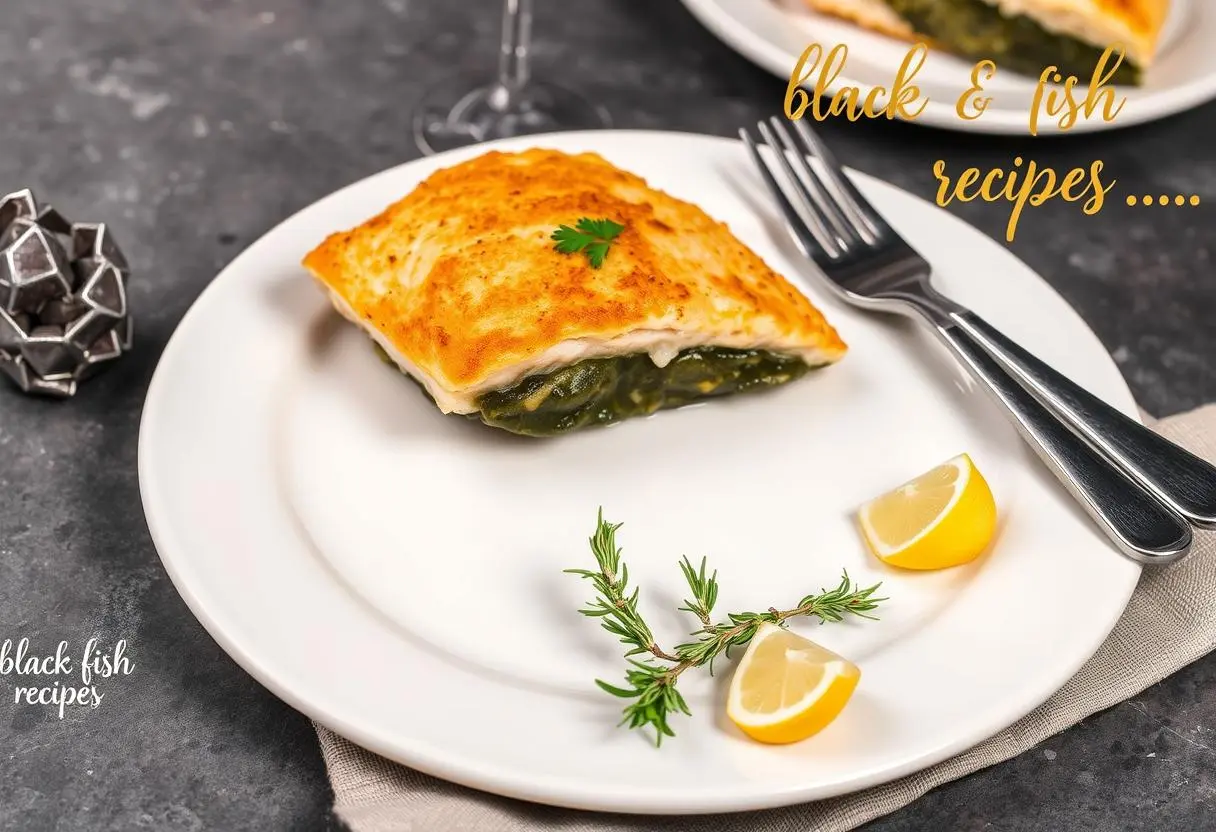
Black fish recipes bring the ocean’s finest flavors to your table with minimal fuss and maximum reward. Also known as tautog along the Atlantic coast, blackfish is a prized catch that offers firm, mild white flesh perfect for everything from simple pan-searing to elaborate baked preparations. Whether you’ve hooked your own or found fresh fillets at the market, learning how to work with this underappreciated fish opens up a world of culinary possibilities that rival any premium seafood. (Read also: Pan-Seared Fish Recipes for Beginners)
This versatile fish holds up beautifully to bold seasonings and gentle cooking methods alike. Its dense texture means it won’t fall apart on the grill or in the pan, making it ideal for home cooks who want restaurant-quality results without the stress.
In this comprehensive guide, we’ll walk through a classic preparation that highlights blackfish’s natural sweetness while keeping things simple enough for a weeknight dinner.
Prep Time: 15 minutes
Cook Time: 18 minutes
Total Time: 33 minutes
Yield: 4 servings
Calories: 285 per serving
Contents
hide
Ingredients
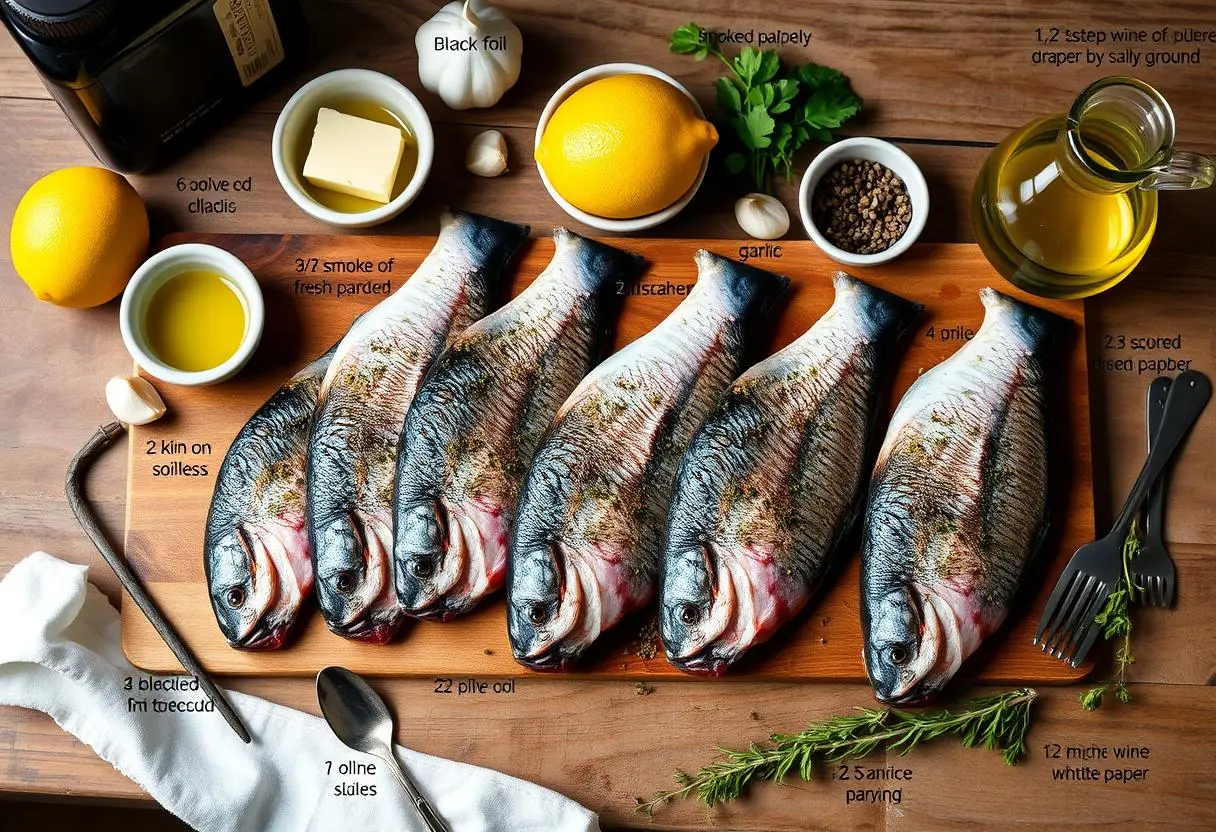
- 4 blackfish fillets, 6 ounces each, skin-on or skinless
- 3 tablespoons olive oil, divided
- 2 tablespoons unsalted butter
- 4 cloves garlic, minced
- 1 lemon, sliced into rounds
- 2 tablespoons fresh parsley, chopped
- 1 teaspoon smoked paprika
- 1 teaspoon dried oregano
- 1/2 teaspoon cayenne pepper
- 1 teaspoon sea salt
- 1/2 teaspoon black pepper, freshly ground
- 1/2 cup white wine or chicken broth
- 2 tablespoons capers, drained
- Fresh thyme sprigs for garnish
Selecting fresh blackfish makes all the difference in your final dish. Look for fillets with firm, translucent flesh that springs back when gently pressed. The fish should smell clean and oceanic, never fishy or ammonia-like.
If you’re working with whole blackfish, ask your fishmonger to fillet it for you, but keep the bones and head for making stock later. Skin-on fillets deliver extra flavor and help the fish hold together during cooking, though skinless works perfectly fine too.
The smoked paprika in this recipe adds depth without overwhelming the delicate fish flavor. You can substitute regular paprika if that’s what you have on hand, though you’ll lose some of that subtle smokiness that pairs so well with seafood.
White wine creates a beautiful pan sauce, but chicken broth works equally well if you prefer to skip the alcohol. The acidity is key here, so if using broth, add an extra squeeze of lemon juice to brighten the sauce.
Fresh herbs always outshine dried when it comes to finishing touches. While dried oregano goes into the cooking process, reserve fresh parsley for the end to maintain its vibrant color and bright flavor.
Capers bring a briny punch that complements the mild sweetness of blackfish beautifully. Rinse them if you find them too salty, or substitute with chopped green olives for a different Mediterranean twist.
Room temperature fish cooks more evenly than cold fillets straight from the refrigerator. Take your blackfish out about 15 minutes before you plan to cook it for the best results.
Black Fish Recipes: Step-by-Step Instructions
This method combines pan-searing with a quick oven finish to ensure perfectly cooked fish with a golden crust and tender, flaky interior.
The key to a perfect crust is patience during that initial sear. Resist the urge to move or peek at the fish for the full 4 minutes. You’ll know it’s ready to flip when the edges turn opaque and the fillet releases easily from the pan without sticking.
Blackfish has a slightly denser texture than cod or haddock, which means it can handle a few extra minutes of cooking without turning dry. However, the window between perfectly cooked and overdone is still narrow, typically just 2 to 3 minutes.
The garlic added during the final pan-searing step infuses the butter without burning, which would happen if you added it at the beginning. This timing trick ensures sweet, fragrant garlic flavor in your sauce rather than bitter, charred bits.
When checking for doneness, look for flesh that has turned from translucent to opaque white throughout. The fish should flake into large, moist chunks rather than crumbling or appearing dry and stringy.
If your fillets vary in thickness, check the thinnest pieces first and remove them from the oven while allowing thicker portions an extra minute or two. This prevents some pieces from overcooking while others finish.
The pan sauce will thicken slightly as it reduces in the oven, concentrating the flavors of wine, lemon, and capers into a luxurious drizzle. If it seems too thin when you remove the skillet, return it to the stovetop for a quick 1-minute reduction over high heat.
Tips for Perfect Results
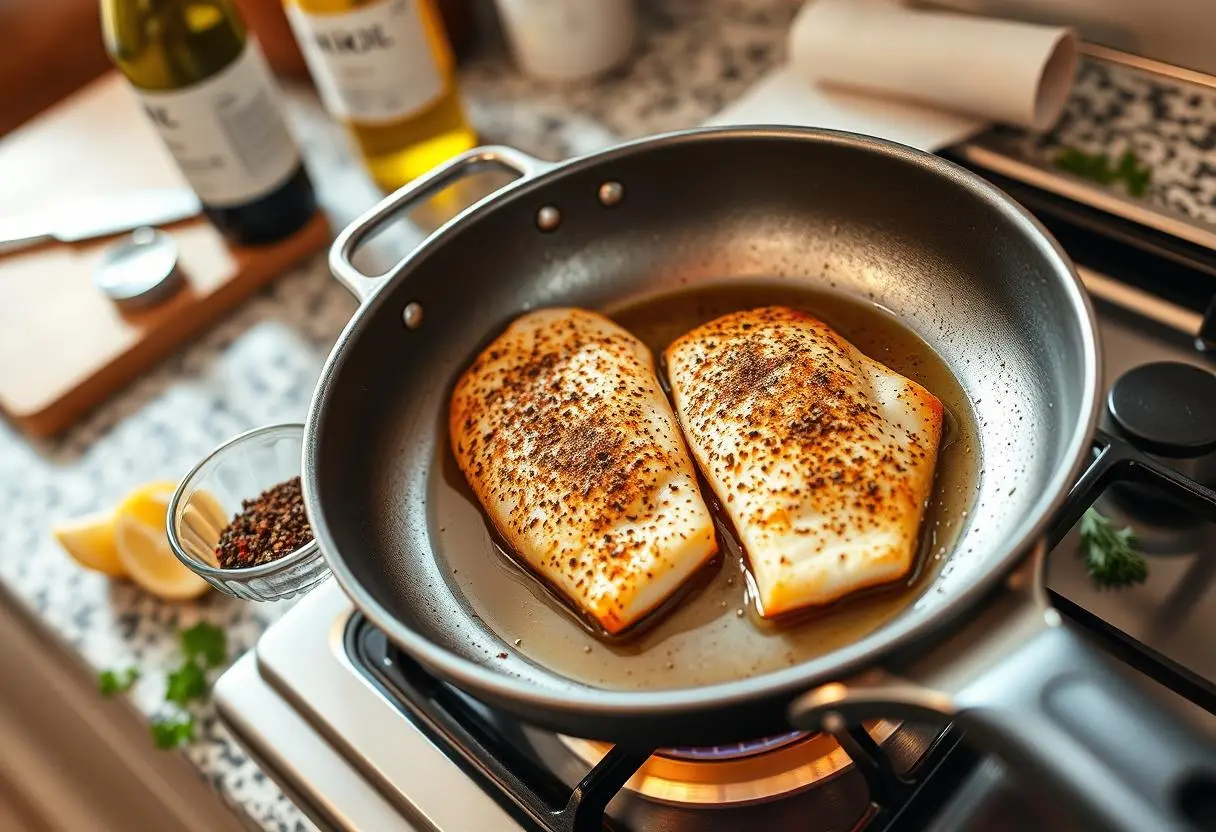
The single most common mistake when cooking blackfish is using too much heat too quickly. Medium-high heat allows the exterior to develop color while the interior cooks through gently. If your kitchen fills with smoke or the butter browns immediately, your pan is too hot.
Basting the fish with the garlic butter during that final pan-cooking minute adds incredible richness and helps the top surface cook slightly before the oven finish. Use a spoon to scoop the melted butter over the fish repeatedly for best results.
If you’re new to cooking fish, blackfish is actually more forgiving than delicate species like sole or flounder. Its firm texture means it won’t fall apart if you need to adjust it in the pan or transfer it between cooking vessels.
Serving Suggestions
This preparation shines alongside simple sides that won’t compete with the fish’s delicate flavor. Roasted asparagus, steamed green beans, or sautéed spinach all provide the perfect green vegetable accompaniment without overwhelming the plate.
For starch, consider creamy mashed potatoes, buttered new potatoes with dill, or a light lemon-herb rice pilaf. The pan sauce from the blackfish works beautifully drizzled over any of these options, tying the meal together with cohesive flavors.
A crisp white wine like Sauvignon Blanc or unoaked Chardonnay complements the dish’s bright, citrusy notes. If you prefer red, opt for a light-bodied Pinot Noir served slightly chilled, which won’t overpower the fish.
Crusty bread is essential for soaking up every drop of that garlicky, caper-studded pan sauce. A good sourdough or French baguette turns the sauce into a highlight rather than letting it go to waste on the plate.
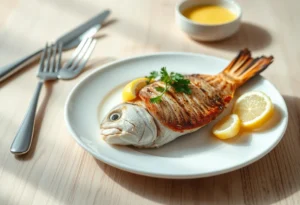
For a complete restaurant-style presentation, nestle the fillet on a bed of wilted greens, drizzle the sauce artfully around the plate’s rim, and finish with a lemon wheel and herb sprig on top of the fish itself.
Storage & Reheating
Cooked blackfish keeps well in an airtight container in the refrigerator for up to 3 days. Let it cool to room temperature before storing, and keep any extra pan sauce in a separate small container to prevent the fish from becoming soggy.
For best texture when reheating, use a low oven rather than the microwave. Place the fish in a baking dish, add a tablespoon of water or broth, cover with foil, and warm at 275°F for about 10 minutes until heated through.
Alternatively, cold leftover blackfish makes excellent fish tacos, salads, or sandwich filling. Flake it into chunks and toss with a squeeze of fresh lemon, turning yesterday’s dinner into today’s completely different meal.
Raw blackfish fillets freeze beautifully for up to 3 months when wrapped tightly in plastic wrap and then aluminum foil. Thaw overnight in the refrigerator, never at room temperature, to maintain the best texture and food safety.
If you’re meal prepping, consider seasoning the raw fillets and freezing them individually. They’ll marinate as they freeze and thaw, making weeknight cooking even faster when you’re ready to use them.
Variations
Baked Blackfish Recipes
For a completely hands-off approach, skip the stovetop searing and go straight to the oven. Place seasoned fillets on a parchment-lined baking sheet, top with butter pats, lemon slices, and fresh herbs, then bake at 425°F for 12 to 15 minutes.
This method works especially well when cooking for a crowd, as you can fit multiple fillets on sheet pans and cook them all at once. The fish won’t have the same golden crust, but it will be perfectly moist and tender with minimal cleanup required.
Blackened Fish Recipe
Transform your blackfish into a Cajun-inspired feast by coating it heavily with a blackening spice blend made from paprika, garlic powder, onion powder, cayenne, thyme, oregano, salt, and pepper. Heat a cast iron skillet until smoking hot, add the heavily spiced fillet, and cook for 3 minutes per side.
The high heat creates a deeply charred, intensely flavorful crust while keeping the interior moist. Serve with dirty rice and coleslaw for an authentic Louisiana-style meal that showcases how well blackfish handles bold flavors.
Mediterranean Herb-Crusted Variation
Mix panko breadcrumbs with chopped fresh basil, parsley, oregano, lemon zest, and grated Parmesan cheese. Press this mixture onto the top of each fillet, drizzle with olive oil, and bake at 400°F for 15 minutes until the crust turns golden brown and crispy.
This variation adds textural contrast and turns a simple fish dinner into something special enough for guests. The herb crust also helps protect the fish from drying out, making it nearly foolproof for less experienced cooks.
Asian-Inspired Ginger-Soy Preparation
Marinate blackfish fillets in a mixture of soy sauce, rice vinegar, grated ginger, minced garlic, sesame oil, and a touch of honey for 30 minutes. Pan-sear or broil the fish, then finish with a sprinkle of sesame seeds and sliced scallions.
This preparation takes blackfish in a completely different flavor direction while respecting its firm texture. Serve over steamed rice with bok choy for a complete Asian-fusion meal that demonstrates the fish’s remarkable versatility across cuisines.
FAQ
How to cook blackfish if I only have frozen fillets?
Thaw frozen blackfish overnight in the refrigerator on a plate lined with paper towels to absorb excess moisture. Once completely thawed, pat very dry and proceed with any cooking method as you would with fresh fish, though frozen-then-thawed fillets may release slightly more liquid during cooking.
Can I use this recipe with skin-on fillets?
Absolutely, and the skin actually adds flavor while helping the fillet hold together during cooking. Start skin-side down in the pan and sear until crispy, about 5 minutes, then flip and finish cooking on the flesh side for maximum textural contrast.
What does blackfish taste like compared to other fish?
Blackfish has a mild, slightly sweet flavor similar to red snapper or sea bass, with a firmer, meatier texture than cod. It’s less flaky than haddock but more delicate than swordfish, landing in a perfect middle ground that appeals to both fish lovers and those who typically avoid seafood.
Is blackfish healthy?
Yes, blackfish is an excellent source of lean protein, omega-3 fatty acids, vitamin B12, and selenium. A 6-ounce serving contains approximately 35 grams of protein with minimal saturated fat, making it a nutritious choice for heart-healthy diets.
Can I grill blackfish instead of pan-searing it?
Definitely, as blackfish’s firm texture makes it ideal for grilling. Oil the grates well, cook over medium-high heat for 4 to 5 minutes per side, and avoid moving the fish until it releases naturally from the grates to prevent sticking and breaking.
What’s the best way to remove pin bones?
Run your fingers along the center of the fillet to locate any pin bones, then use clean needle-nose pliers or fish tweezers to pull them out at a slight angle in the direction they’re pointing. Most fishmongers will do this for you if you ask.
Why did my blackfish turn out dry?
Overcooking is the most common culprit, as fish continues cooking from residual heat even after leaving the oven or pan. Remove blackfish when it just barely flakes and still has a hint of translucency in the very center; it will finish cooking as it rests.
Can I make this recipe dairy-free?
Simply substitute the butter with additional olive oil or use a plant-based butter alternative. The fish will still develop a beautiful crust and the pan sauce will remain flavorful, though you’ll lose some of that rich, buttery finish.
Kitchen Tools You’ll Need
Extra Reward
🎁 Beyond The Tools: A Gift For You!
I hope you found the kitchen tools recommended above helpful! As a thank you for reading, I’ve unlocked a few exclusive Free Amazon rewards just for my followers.
Includes: Free Audiobooks • Kitchen Discounts • Welcome Boxes
More Recipes You May Like
The Ultimate Marinades & Rubs Guide
To receive the book for free, please send the following information via email.
Newsletter Frequency