The Best Fluffy Pancakes recipe you will fall in love with. Full of tips and tricks to help you make the best pancakes.

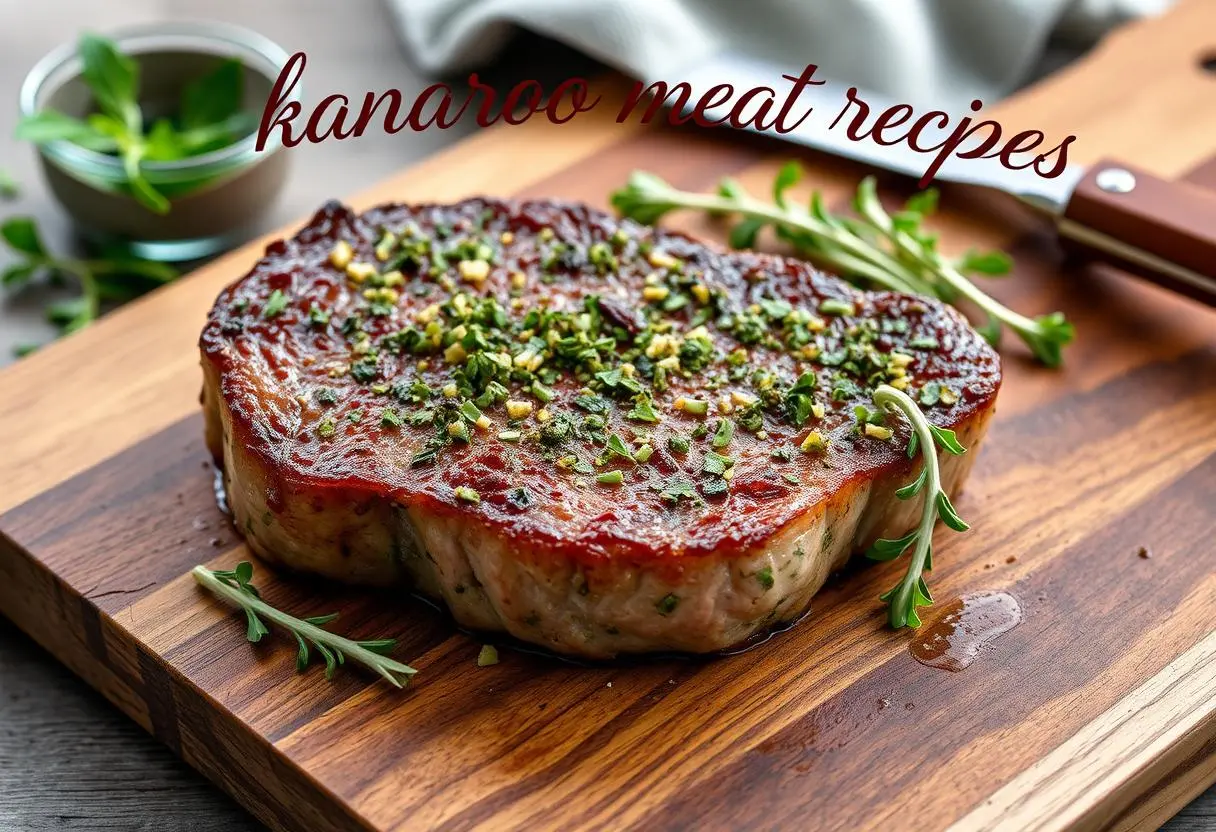
Kangaroo meat recipes offer adventurous home cooks a chance to explore one of the leanest, most sustainable red meats available.
With its deep, gamey flavor and incredibly low fat content, kangaroo has been a staple protein in Australian cuisine for thousands of years and is now gaining popularity worldwide.
Whether you’re curious about cooking kangaroo for the first time or looking to expand your repertoire, this guide will walk you through everything you need to know. (Read also: Tips for Cooking Venison)
This unique meat requires a slightly different approach than beef or lamb due to its ultra-lean composition.
Overcooking is the most common mistake, turning tender meat tough and chewy. But when prepared correctly, kangaroo delivers a rich, slightly sweet flavor with a texture that rivals the finest cuts of beef.
In this comprehensive guide, we’ll cover multiple preparation methods, essential techniques, and flavor combinations that bring out the best in this remarkable protein.
Prep Time: 15 minutes
Cook Time: 8-10 minutes
Total Time: 25 minutes
Yield: 4 servings
Calories: 185 per serving
Contents
hide
Ingredients
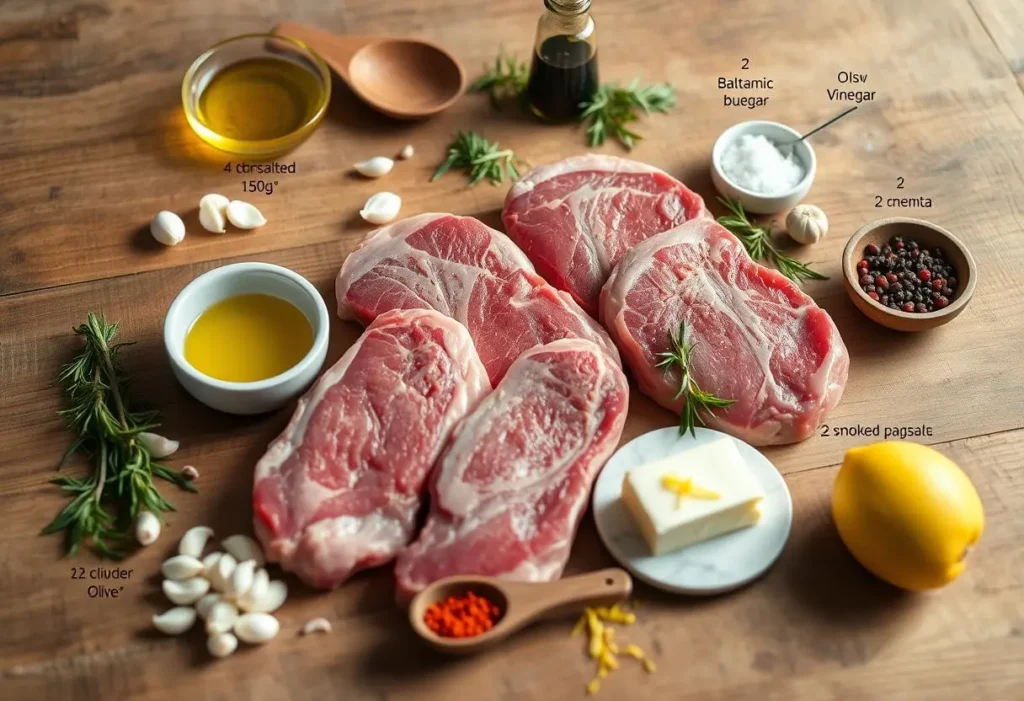
- 4 kangaroo steaks or fillets, about 150g each
- 3 tablespoons olive oil
- 4 cloves garlic, minced
- 2 tablespoons fresh rosemary, chopped
- 1 tablespoon fresh thyme leaves
- 2 teaspoons cracked black pepper
- 1 teaspoon sea salt
- 1 tablespoon balsamic vinegar
- 2 tablespoons unsalted butter
- 1 teaspoon smoked paprika
- Zest of 1 lemon
- 2 tablespoons native pepperberry or pink peppercorns, crushed
Selecting quality kangaroo meat is crucial for success. Look for deep red meat with minimal visible fat and no grey discoloration. Fresh kangaroo should have a clean, slightly sweet aroma without any off-putting gamey smell.
Most specialty butchers and Australian meat suppliers offer kangaroo fillets, steaks, and ground meat. The most tender cuts come from the loin and fillet, while tail and shoulder cuts work better for slow-cooked preparations.
If you can’t find fresh kangaroo, high-quality frozen meat works well. Thaw it slowly in the refrigerator for 24 hours before cooking to preserve moisture and texture.
Native Australian ingredients like pepperberry, wattleseed, and bush tomato complement kangaroo beautifully, but standard herbs like rosemary, thyme, and garlic work equally well. The key is not to overpower the meat’s natural flavor.
For marinades, avoid highly acidic ingredients for extended periods. While a splash of balsamic or red wine adds depth, marinating longer than 2 hours can begin to break down the lean muscle fibers too much.
You can substitute venison or bison in most kangaroo recipes and cooking methods, though cooking times may need slight adjustment based on the specific cut’s fat content.
Always bring kangaroo meat to room temperature 20-30 minutes before cooking. This ensures even cooking throughout and prevents the exterior from overcooking while the center remains cold.
Kangaroo Meat Recipes: Step-by-Step Instructions
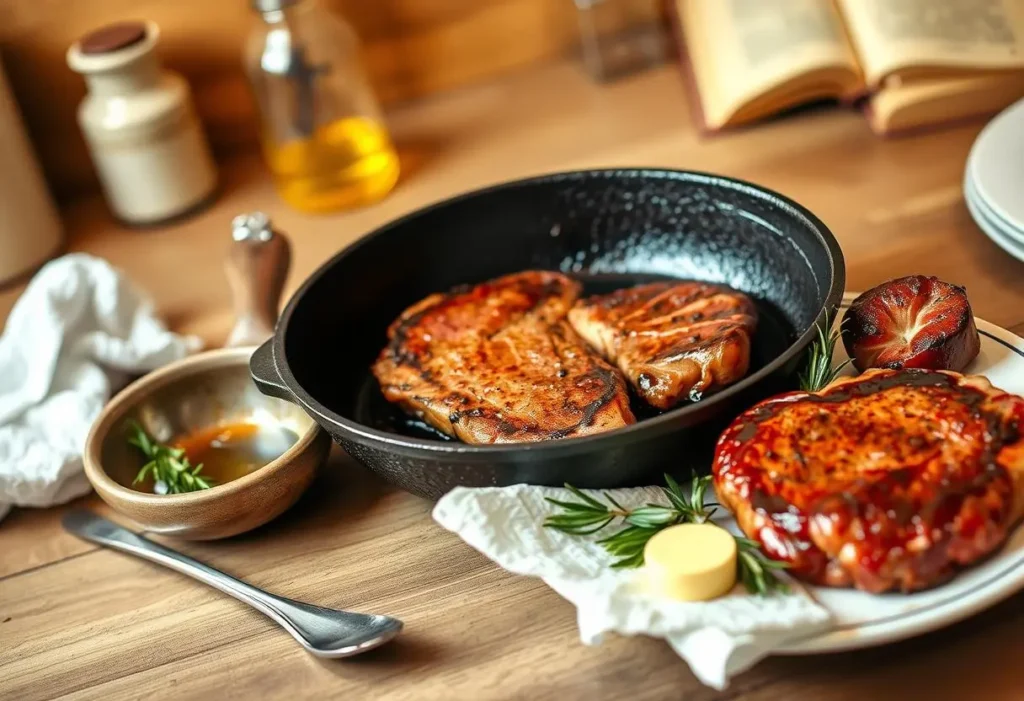
Follow these instructions carefully for perfectly cooked kangaroo that’s tender, juicy, and full of flavor.
- Remove kangaroo steaks from refrigeration 30 minutes before cooking and pat completely dry with Paper Towels.
- Combine olive oil, minced garlic, rosemary, thyme, smoked paprika, lemon zest, and cracked pepper in a shallow dish.
- Place steaks in the marinade, turning to coat evenly, and let rest at room temperature for 15-20 minutes.
- Heat a heavy Cast Iron Skillet Or Grill Pan over high heat until it just begins to smoke.
- Season kangaroo steaks generously with sea salt just before cooking.
- Place steaks in the hot pan without crowding and sear for 2-3 minutes without moving them.
- Flip steaks once and cook for an additional 2-3 minutes for rare to medium-rare doneness.
- Add butter and crushed pepperberries to the pan during the last 30 seconds, basting the meat continuously.
- Remove steaks when internal temperature reaches 55-60°C (131-140°F) for optimal tenderness.
- Transfer to a warm plate and tent loosely with foil for 5 minutes to allow juices to redistribute.
- Drizzle balsamic vinegar over the rested meat and sprinkle with additional fresh herbs.
- Slice against the grain at a slight angle and serve immediately while still warm.
The most critical aspect of cooking kangaroo meat is monitoring internal temperature precisely. A meat thermometer is essential because the window between perfectly cooked and overdone is narrow. At 55-57°C, kangaroo is beautifully rare with a warm, red center. At 60-63°C, you’ll achieve medium-rare with a pink center and slight resistance. Anything beyond 65°C starts to become tough and dry.
When I first started cooking with kangaroo meat, I learned the hard way that high heat and short cooking times are non-negotiable. Unlike marbled beef that remains tender even when slightly overcooked, kangaroo’s lack of intramuscular fat means there’s no buffer. The meat goes from tender to tough in less than a minute.
Watch for the meat to develop a deep, caramelized crust while the center remains soft to the touch. It should feel similar to the fleshy part of your palm when you touch your thumb to your middle finger—that’s the tactile sign of medium-rare doneness.
Resting is equally important as cooking. The carryover heat will raise the internal temperature by 2-3 degrees, and the muscle fibers need time to relax and reabsorb moisture. Cutting immediately causes all those precious juices to run out onto the Cutting Board instead of staying in the meat.
If your steaks are uneven in thickness, position the thicker portions toward the center of the pan where heat is most intense, or consider butterflying thicker cuts to ensure uniform cooking.
Never use medium or low heat when cooking kangaroo steaks. The goal is to develop flavor on the outside while keeping the interior tender, which only happens with intense, quick heat application.
Tips for Perfect Results
- Always cook kangaroo to rare or medium-rare maximum—this is the single most important rule for tender meat
- Use a reliable Instant-read Meat Thermometer to avoid guesswork and ensure consistency
- Let meat come to room temperature before cooking to promote even heat distribution
- Pat the surface completely dry before searing to achieve proper caramelization and crust formation
- Season with salt immediately before cooking, not earlier, to prevent moisture loss
- Use high smoke-point oils like avocado, grapeseed, or light olive oil for high-heat cooking
- Don’t flip the meat more than once—constant turning prevents proper crust development
- Add butter and aromatics only in the final moments to prevent burning while adding rich flavor
- Always slice against the grain to shorten muscle fibers and maximize tenderness
- Serve kangaroo immediately after resting while it’s still warm for the best texture and flavor
The slicing technique deserves special attention. Kangaroo has a pronounced grain direction, and cutting parallel to those fibers results in chewy, stringy meat. Always identify the grain direction before slicing, then cut perpendicular to it at a slight diagonal angle. This creates shorter fiber segments that are much easier to chew.
Temperature control extends beyond just the meat itself. Ensure your cooking surface is properly preheated—this typically takes 5-7 minutes over high heat for a cast iron pan. A properly hot surface sears instantly, creating the Maillard reaction that develops complex flavors while minimizing moisture loss.
Don’t crowd the pan when cooking multiple steaks. Each piece needs direct contact with the hot surface and space around it for moisture to evaporate rather than steam. Cook in batches if necessary, keeping finished steaks warm in a low oven while you complete the rest.
Serving Suggestions
Kangaroo pairs beautifully with bold, earthy flavors that complement its rich, gamey character. Roasted root vegetables like parsnips, carrots, and beetroot create a hearty foundation, while their natural sweetness balances the meat’s savory depth. A creamy parsnip puree or sweet potato mash provides luxurious contrast to the lean protein.
Fresh, peppery greens like arugula, watercress, or baby spinach dressed simply with lemon and olive oil cut through the richness and add brightness to the plate. Consider a warm grain salad with quinoa or farro, dried cranberries, toasted walnuts, and fresh herbs for a more substantial side.
Sauces should enhance rather than mask the meat’s flavor. A red wine reduction with juniper berries and blackberries works wonderfully, as does a native pepperberry sauce made with cream and brandy. For something lighter, try a chimichurri packed with fresh parsley, oregano, and garlic.
Australian wine pairings include bold Shiraz from the Barossa Valley or a robust Cabernet Sauvignon. The tannins in these wines complement the meat’s texture while their fruit-forward profiles balance its gamey notes.
For a complete meal, start with a light soup or salad, serve the kangaroo as the main with two complementary sides, and finish with something citrus-based or berry-focused to cleanse the palate. The entire presentation should celebrate the meat’s unique character without overwhelming it.
Storage & Reheating
Fresh kangaroo meat should be cooked within 2-3 days of purchase when stored in the coldest part of your refrigerator. Keep it in its original packaging or wrap tightly in plastic wrap to prevent oxidation and moisture loss. The meat’s lean composition makes it more susceptible to drying out than fattier meats.
Cooked kangaroo can be refrigerated for up to 3 days when stored in an airtight container. The key is cooling it quickly—don’t leave cooked meat at room temperature for more than 30 minutes. Slice any leftover meat only when ready to serve rather than storing it pre-sliced, as whole pieces retain moisture better.
Freezing raw kangaroo works well for up to 3 months. Wrap individual portions tightly in plastic wrap, then place in freezer bags with all air removed. Label with the date and cut type. Frozen cooked kangaroo loses texture quality, so it’s best used in preparations where it will be reheated in sauce or broth.
Reheating requires gentle methods to avoid further cooking the already-lean meat. The best approach is bringing it to room temperature first, then warming briefly in a 120°C (250°F) oven, loosely covered with foil, for just 5-7 minutes. Alternatively, slice thinly and warm quickly in a hot pan with a splash of broth or butter for 30-60 seconds per side.
Never microwave kangaroo steaks or fillets—the uneven heating will turn them rubbery. If you must use a microwave, do so only for dishes where the meat is combined with sauce or other ingredients that provide moisture protection, using 50% power in short intervals.
Variations
How to Cook Kangaroo Meat Asian-Style
Transform kangaroo into an Asian-inspired dish by marinating thinly sliced meat in soy sauce, ginger, garlic, sesame oil, and a touch of honey for 30 minutes. Stir-fry quickly over high heat with bok choy, snap peas, and shiitake mushrooms for 2-3 minutes maximum.
Serve over jasmine rice or rice noodles with a drizzle of chili oil and garnish with fresh cilantro, sliced scallions, and toasted sesame seeds. The quick cooking method preserves tenderness while the bold Asian flavors complement the meat’s natural richness.
Cooking with Kangaroo Meat in Burgers
Ground kangaroo makes exceptional burgers when handled with care. Mix 500g ground kangaroo with finely diced onion, minced garlic, an egg, breadcrumbs, and your choice of seasonings. The key is adding 2 tablespoons of olive oil or a grated apple to the mixture to compensate for the meat’s leanness.
Form into patties and cook over high heat for 3-4 minutes per side for medium-rare doneness. These burgers shrink less than beef and have a distinctly meaty, satisfying flavor that pairs beautifully with caramelized onions, aged cheddar, and beetroot relish on a toasted brioche bun.
Kangaroo Recipes and Cooking Slow-Braised Style
While steaks demand quick cooking, tougher cuts like shoulder and tail become incredibly tender through slow braising. Brown 1kg cubed kangaroo in batches, then create a braising liquid with red wine, beef stock, tomato paste, bay leaves, and root vegetables.
Cover tightly and braise in a 150°C (300°F) oven for 2.5-3 hours until the meat is fork-tender and falling apart. This method transforms economical cuts into rich, deeply flavored stews and ragus perfect for serving over creamy polenta or mashed potatoes.
Carpaccio and Raw Preparations
The pristine quality of premium kangaroo fillet makes it suitable for raw preparations like carpaccio. Freeze the fillet for 30 minutes to firm it up, then slice paper-thin with an extremely sharp knife.
Arrange slices on chilled plates and dress with excellent extra virgin olive oil, lemon juice, shaved Parmesan, capers, and fresh arugula. The meat’s clean flavor and fine texture work beautifully in this elegant preparation that requires no cooking at all.
FAQ
What does kangaroo meat taste like?
Kangaroo has a rich, slightly gamey flavor similar to venison but milder, with a subtle sweetness reminiscent of high-quality grass-fed beef. The texture is fine-grained and tender when cooked properly, though leaner than most red meats. It’s distinctly beefy without being overwhelming.
Is kangaroo meat healthy?
Kangaroo is exceptionally healthy, containing less than 2% fat while providing high levels of protein, iron, zinc, and B vitamins. It’s also high in conjugated linoleic acid (CLA) and omega-3 fatty acids. The lean profile makes it ideal for health-conscious eaters and those managing cholesterol.
Why is my kangaroo meat tough?
Toughness results almost exclusively from overcooking this ultra-lean meat beyond medium-rare. Without intramuscular fat to keep it moist, kangaroo becomes dry and chewy when cooked past 63°C internal temperature. Always use high heat for short periods and rest the meat properly after cooking.
Can I substitute kangaroo for beef in recipes?
Kangaroo works well as a beef substitute in most recipes with timing adjustments. For quick-cooking preparations like steaks and stir-fries, reduce cooking time by about 30%. In slow-cooked dishes like stews and braises, kangaroo can replace beef one-to-one with similar cooking times for tougher cuts.
Where can I buy kangaroo meat?
Specialty butchers, Australian meat suppliers, and some upscale grocery stores carry kangaroo meat. Online retailers ship frozen kangaroo throughout many countries. In Australia, it’s widely available in supermarkets. Always buy from reputable sources that follow proper game meat handling protocols.
Do I need to marinate kangaroo meat?
Marinating is optional but can add flavor and slight tenderization. Keep marinades simple with oil, herbs, and minimal acid, marinating for 30 minutes to 2 hours maximum. Over-marinating, especially with acidic ingredients, can make the lean meat mushy. Many prefer simple seasoning to showcase the meat’s natural flavor.
What’s the best cut of kangaroo for beginners?
Kangaroo fillet or loin steaks are most forgiving for beginners due to their uniform thickness and premium tenderness. These cuts cook quickly and evenly, making it easier to achieve the crucial medium-rare doneness. Start with these before experimenting with more challenging cuts.
Can I cook kangaroo well-done?
Cooking kangaroo well-done is not recommended as the lack of fat makes it unpalatably tough and dry at higher temperatures. If you prefer meat more cooked, aim for a true medium (60-63°C), which is the absolute maximum. Consider slow-braised preparations for well-done meat that remains tender through moisture and long cooking.
Kitchen Tools You’ll Need
- Cast Iron Skillet Or Grill Pan
- Instant-read Meat Thermometer
- Sharp Carving Knife
- Cutting Board
- Tongs
- Shallow Marinating Dish
- Measuring Spoons
- Aluminum Foil
- Paper Towels
Extra Reward
🎁 Beyond The Tools: A Gift For You!
I hope you found the kitchen tools recommended above helpful! As a thank you for reading, I’ve unlocked a few exclusive Free Amazon rewards just for my followers.
Includes: Free Audiobooks • Kitchen Discounts • Welcome Boxes
More Recipes You May Like


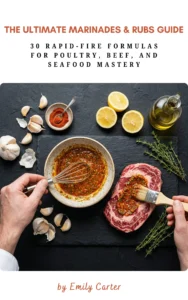
The Ultimate Marinades & Rubs Guide
To receive the book for free, please send the following information via email.
Newsletter Frequency