
The Best Fluffy Pancakes recipe you will fall in love with. Full of tips and tricks to help you make the best pancakes.

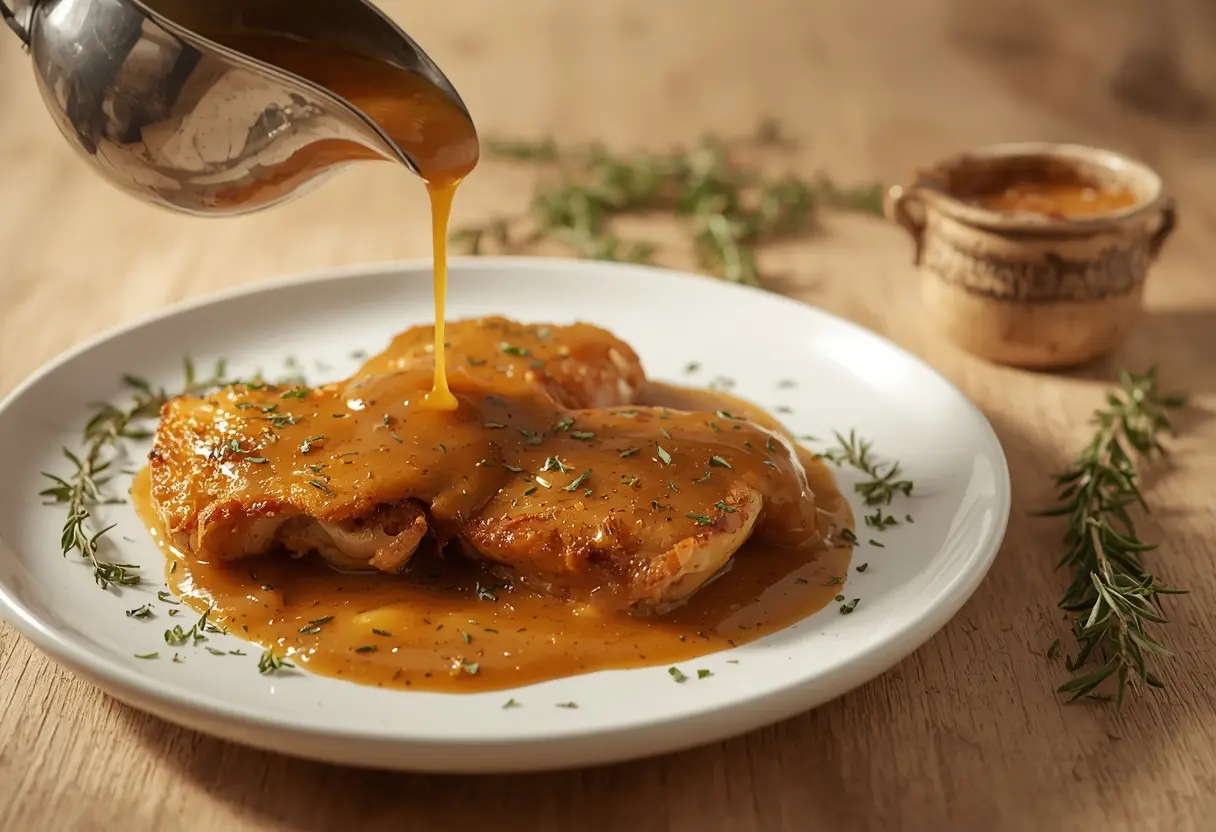
Chicken gravy recipe perfection is easier to achieve than you might think. Whether you’re preparing a Sunday roast or simply want to elevate your weeknight dinner, mastering this fundamental sauce will transform your meals. The silky, savory richness of homemade gravy brings everything together on your plate.
Ingredients
professional chicken gravy recipe techniques
Many home cooks feel intimidated by gravy-making, but with the right technique, you’ll create restaurant-quality results every time. This foolproof method works whether you have pan drippings or not. The secret lies in understanding the basic principles and following a few simple steps.
Once you learn how to make chicken gravy from scratch, you’ll never reach for store-bought packets again. The depth of flavor and creamy texture simply can’t be matched by instant versions. Plus, you control exactly what goes into your gravy, making it healthier and more delicious.
Essential Ingredients for Perfect Chicken Gravy Recipe
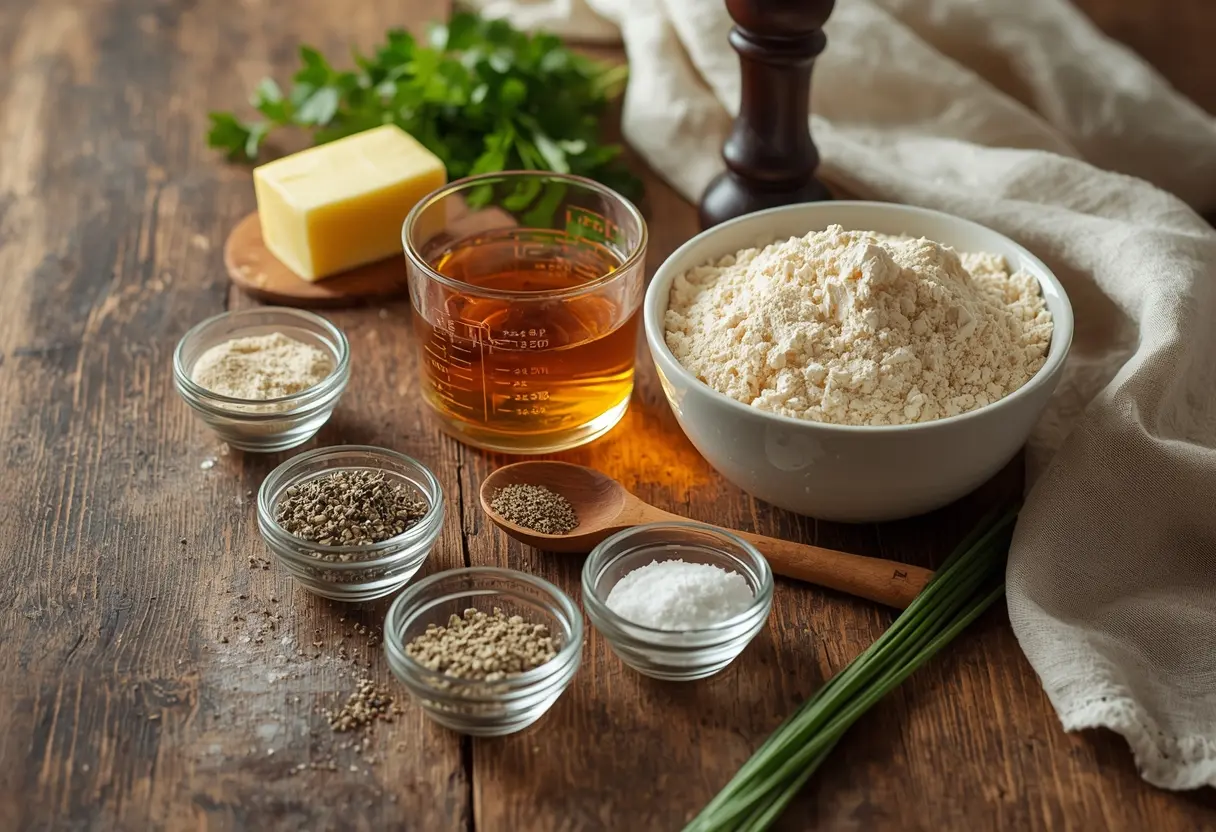
The foundation of any great chicken gravy recipe starts with quality ingredients. You’ll need butter or chicken fat for richness, all-purpose flour for thickening, and liquid for the base. The liquid can be chicken stock, broth, or even water enhanced with bouillon.
Seasonings play a crucial role in developing complex flavors. Salt and black pepper are essential, but don’t overlook garlic powder, onion powder, and dried herbs like thyme or sage. Fresh herbs can add brightness when stirred in at the end.
For the richest flavor, use pan drippings from roasted chicken when available. These concentrated juices contain incredible depth that instantly elevates your gravy. However, this easy homemade chicken gravy recipe works beautifully even without drippings.
How to Make Chicken Gravy Step by Step
Creating smooth, lump-free gravy requires attention to technique and timing. The process involves making a roux, gradually adding liquid, and seasoning to perfection. With practice, you’ll complete this chicken gravy recipe in under 15 minutes.
Preparing Your Base for Chicken Gravy Recipe
Start by gathering all ingredients and tools before you begin cooking. Measure your flour and have your liquid warm or at room temperature. Cold liquid can cause lumps when added to hot roux.
If using pan drippings, pour them through a fine-mesh strainer to remove any solids. Let the fat separate and rise to the top. You’ll need about 3-4 tablespoons of fat for this chicken gravy recipe.
For homemade chicken gravy without drippings, simply melt butter in your saucepan. The key is maintaining medium heat throughout the process to prevent burning or uneven cooking.
Creating the Perfect Roux
Heat your fat over medium heat until shimmering. Sprinkle flour evenly across the surface and immediately begin whisking. This mixture, called a roux, forms the thickening base of your gravy.
Cook the roux for 2-3 minutes, stirring constantly. You’re looking for a light golden color and nutty aroma. This cooking time eliminates the raw flour taste that can ruin gravy.
Keep the heat moderate and don’t rush this step. A properly cooked roux ensures your chicken gravy recipe will have depth of flavor and the perfect consistency.
Adding Liquid and Seasonings
Remove the pan from heat momentarily before adding liquid. Pour in about 1/4 cup at first, whisking vigorously to prevent lumps. The mixture will bubble and thicken quickly.
Return to heat and continue adding liquid gradually, whisking continuously. This gradual incorporation is crucial for achieving silky-smooth gravy. Add liquid until you reach your desired consistency.
Season your chicken gravy recipe with salt, pepper, and any additional flavors. Start conservatively with seasonings – you can always add more. Simmer gently for 5 minutes to meld flavors.
Easy Homemade Chicken Gravy Recipe Variations
Once you’ve mastered the basic technique, experimenting with variations keeps meals interesting. Each adaptation brings unique flavors while maintaining the comforting essence of traditional gravy.
Chicken Gravy from Scratch Without Pan Drippings
When you need gravy but haven’t roasted a chicken, this method delivers excellent results. Use butter as your fat base and enhance the flavor with chicken bouillon or concentrated stock. Adding a splash of white wine or sherry creates restaurant-quality depth.
Sauté minced garlic or shallots in the butter before adding flour for extra flavor. This simple addition transforms a basic chicken gravy recipe into something special. Finish with fresh herbs like parsley or chives.
For color and richness, add a teaspoon of soy sauce or Worcestershire sauce. These umami-rich ingredients deepen both flavor and appearance without overpowering the chicken essence.
Rich and Creamy Version
Transform your standard chicken gravy recipe into luxurious cream gravy by substituting half the stock with heavy cream. Add the cream after the initial thickening to prevent curdling.
Mushrooms make an excellent addition to creamy gravy. Sauté sliced mushrooms before making the roux, then proceed with the recipe. The earthy flavors complement chicken beautifully.
For special occasions, finish with a splash of brandy or cognac and a pat of cold butter. This technique, called mounting, creates an incredibly silky and glossy finish.
Expert Tips for the Best Chicken Gravy Recipe
Temperature control prevents most gravy problems. Keep heat at medium throughout cooking, and remove from heat while adding liquid. This prevents splattering and ensures smooth incorporation.
Always taste and adjust seasoning at the end. Reduction during cooking concentrates flavors, so final seasoning is crucial. Remember that gravy will thicken slightly as it cools.
Make your chicken gravy recipe ahead when entertaining. It reheats beautifully with a splash of stock to loosen. Store covered in the refrigerator for up to three days.
For ultra-smooth gravy, strain through fine mesh after cooking. This removes any lumps and creates restaurant-quality presentation. Keep gravy warm in a thermos for large gatherings.
Common Mistakes to Avoid
Lumpy gravy usually results from adding liquid too quickly or at the wrong temperature. Always remove from heat initially and whisk constantly while incorporating liquid gradually.
Gravy that’s too thin needs more cooking time to reduce, or you can make a slurry with flour and water. For overly thick gravy, simply whisk in more warm stock until reaching desired consistency.
Burning the roux creates bitter flavors that can’t be fixed. If you smell burning or see dark specks, start over. It’s better to waste a little flour than ruin the entire chicken gravy recipe.
Under-seasoning is perhaps the most common mistake. Gravy needs adequate salt to bring out flavors. Add seasonings gradually and taste frequently for best results.
Making exceptional chicken gravy recipe becomes second nature with practice. The techniques you’ve learned apply to all types of gravy, from turkey to beef. Once you understand the fundamentals, you can adapt the recipe to complement any meal.
Remember that confidence comes from repetition. Don’t be discouraged if your first attempt isn’t perfect. Each time you make this easy homemade chicken gravy recipe, your technique improves. Soon, you’ll be creating gravy without even thinking about measurements, adjusting by sight and taste like experienced cooks do.
Recommended Kitchen Tools
– medium saucepan
– wooden spoon or whisk
– measuring cups
– measuring spoons
– fine-mesh strainer
– ladle
– sharp knife
– cutting board
– small bowl
To discover the most delicious fish dishes, click here.
More Recipes You May Like





The Ultimate Marinades & Rubs Guide
To receive the book for free, please send the following information via email.
Newsletter Frequency