
The Best Fluffy Pancakes recipe you will fall in love with. Full of tips and tricks to help you make the best pancakes.

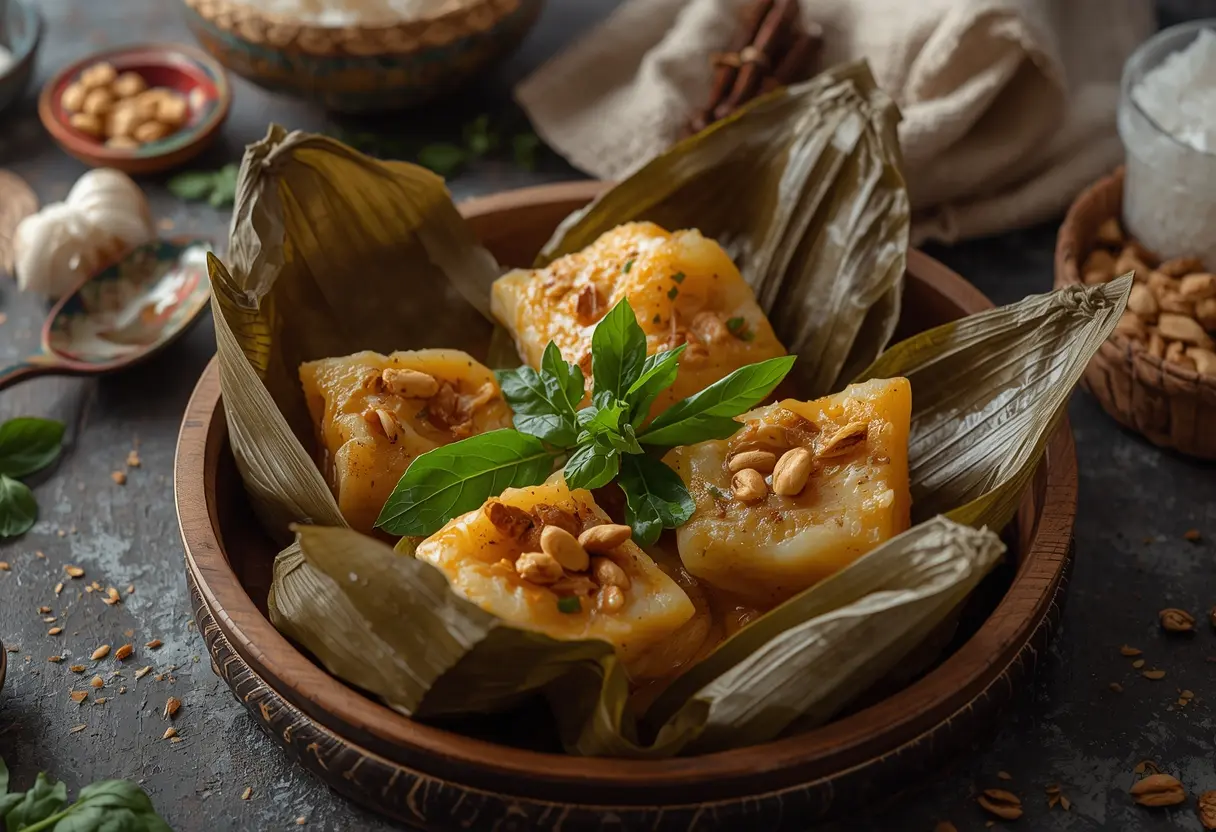
Authentic Fish curry recipe represents one of Cambodia’s most beloved national dishes, combining delicate fish with aromatic spices in a creamy coconut custard. This traditional steamed fish curry captures the essence of Khmer cuisine through its perfect balance of flavors and unique cooking method.
Contents
hide
Ingredients
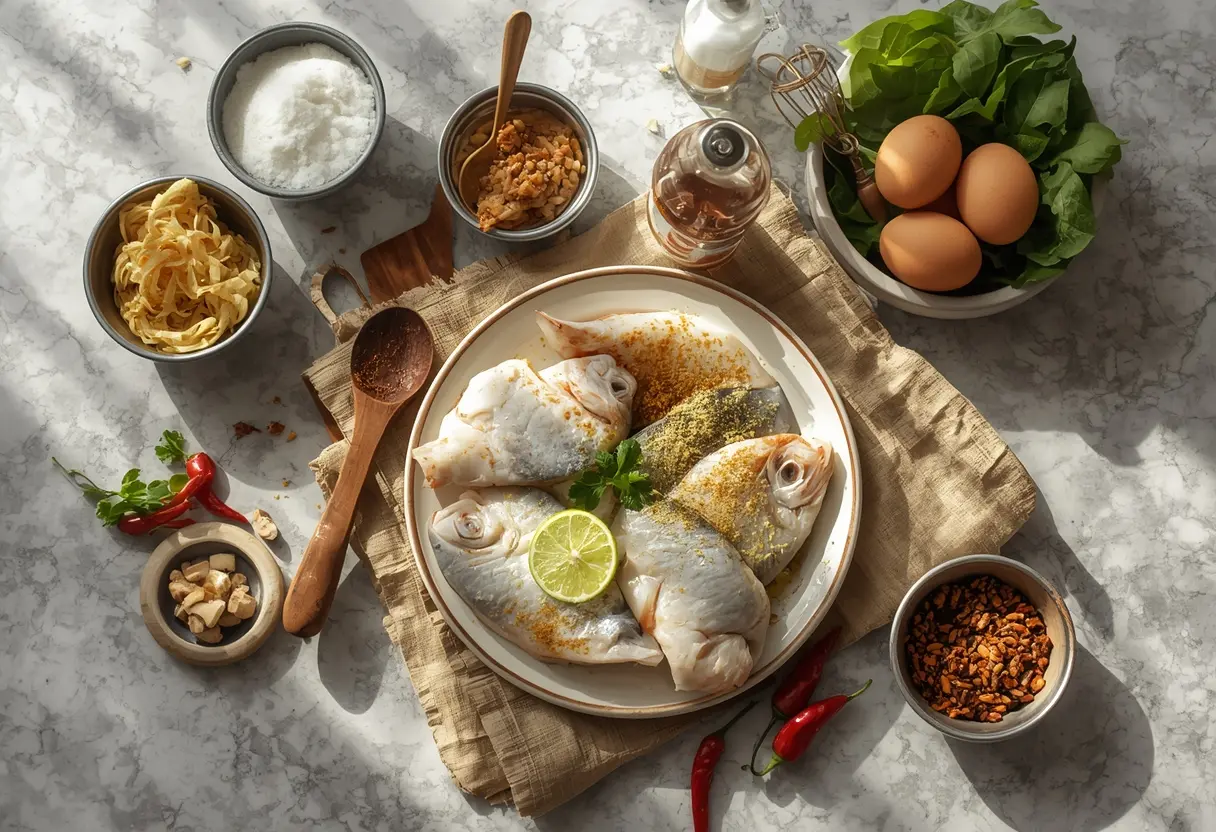
professional fish amok curry recipe techniques
Making this Cambodian fish curry recipe at home brings the authentic taste of Southeast Asia to your kitchen. The silky smooth texture and fragrant aroma make it an unforgettable culinary experience that’s surprisingly achievable for home cooks.
Whether you’re exploring Asian cuisine or seeking a special dinner recipe, learning how to make fish amok opens doors to a world of incredible flavors. This gentle steaming technique preserves the fish’s tenderness while infusing it with exotic spices.
What is Fish Amok?
Fish amok, known locally as “amok trei,” is Cambodia’s signature dish featuring fresh fish steamed in a rich coconut curry custard. This traditional Cambodian amok recipe dates back centuries and holds special significance in Khmer culture.
The dish combines freshwater fish with kroeung, a fragrant spice paste that forms the foundation of many Cambodian dishes. Mixed with coconut milk and eggs, this creates a mousse-like texture that sets fish amok apart from other curries.
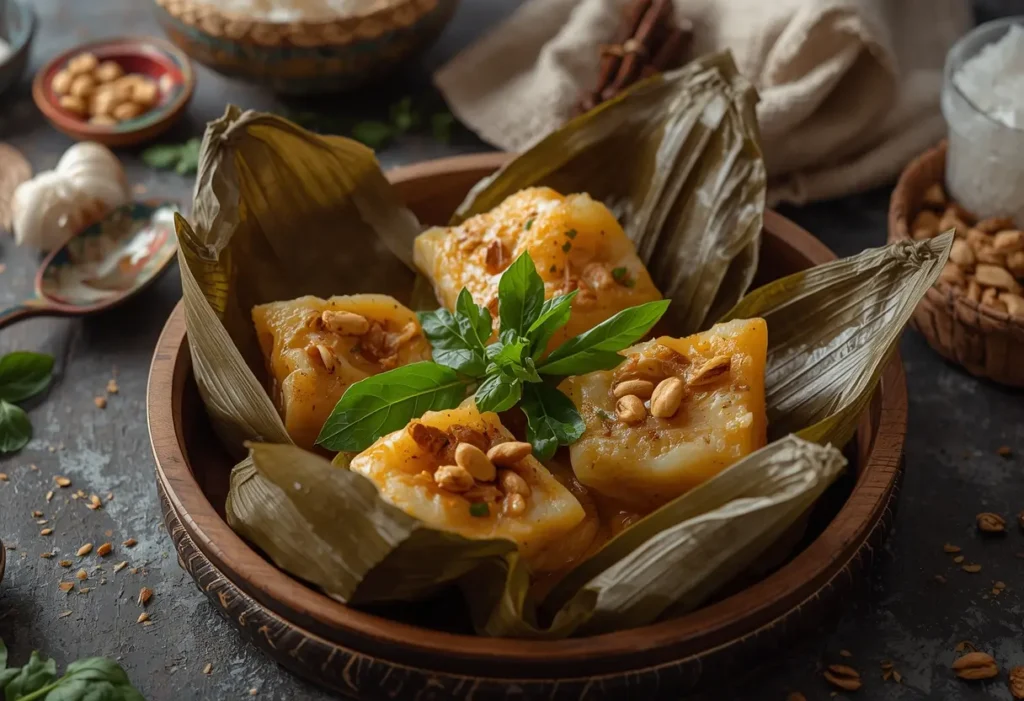
Traditionally served in banana leaf cups, this steamed fish curry with coconut milk showcases the sophistication of Cambodian cuisine. The gentle steaming process creates a delicate, almost soufflé-like consistency that melts in your mouth.
Unlike typical curries that are soupy or saucy, fish amok curry recipe produces a thick, custard-like dish. This unique texture comes from the careful balance of coconut cream, eggs, and the steaming process.
Essential Ingredients for Fish Amok Curry Recipe
Creating an authentic fish amok curry recipe requires specific ingredients that deliver its distinctive flavor profile. Fresh white fish forms the foundation, with catfish, snapper, or cod working beautifully in this dish.
The kroeung paste is crucial for authentic flavor. This aromatic blend includes lemongrass, galangal, garlic, shallots, kaffir lime zest, and dried chilies. Each ingredient contributes to the complex flavor that defines Cambodian cuisine.
Coconut milk provides the creamy base, while eggs help create the custard-like texture. Fresh kaffir lime leaves, fish sauce, and palm sugar round out the flavor profile with their unique contributions.
For serving, you’ll need banana leaves or small bowls, plus fresh herbs like Thai basil and cilantro. Slok ngor leaves are traditional but can be substituted with spinach or chard if unavailable.
Preparing the Kroeung Paste
The heart of any fish amok curry recipe lies in its kroeung paste. Start by soaking dried red chilies in warm water for 15 minutes until softened.
Using a mortar and pestle, pound the galangal first, followed by lemongrass, then garlic and shallots. Add the drained chilies, kaffir lime zest, and a pinch of salt, grinding until you achieve a smooth paste.
This traditional method releases essential oils that a food processor cannot replicate. The extra effort rewards you with deeper, more complex flavors in your final dish.
Step-by-Step Fish Amok Curry Recipe
Begin your fish amok curry recipe by cutting fresh fish into bite-sized pieces, about 1-inch cubes. Season lightly with salt and set aside while preparing other components.
In a large bowl, combine your prepared kroeung paste with coconut cream, stirring until well incorporated. Add fish sauce, palm sugar, and beaten eggs, whisking gently to create a smooth mixture.
Fold the fish pieces into the coconut mixture, ensuring each piece is well coated. Add shredded kaffir lime leaves and slok ngor (or spinach), mixing gently to avoid breaking the fish.
Prepare your steaming vessels by cutting banana leaves into circles or using small ramekins. If using banana leaves, create small cups by folding and securing with toothpicks.
Steaming Your Fish Amok
Fill each banana leaf cup or ramekin with the fish mixture, leaving some space at the top. The mixture will rise slightly during steaming, similar to a soufflé.
Set up your steamer with water below and bring to a gentle simmer. Arrange the filled cups in the steamer basket, ensuring they don’t touch the water.
Steam for 20-25 minutes until the custard sets but still has a slight jiggle in the center. The surface should look firm and the edges should pull away slightly from the container.
Before serving, drizzle each portion with thick coconut cream and garnish with julienned kaffir lime leaves. A sprinkle of red chili adds color and optional heat.
Tips for Perfect Fish Amok
Achieving restaurant-quality fish amok curry recipe at home requires attention to several key details. Use the freshest fish possible, as its quality directly impacts the final dish.
Don’t overmix once you add the eggs to prevent a tough texture. The custard should remain light and airy, similar to a delicate mousse.
Control your steaming temperature carefully. Too high heat causes the custard to curdle, while too low results in a watery texture. Maintain a gentle simmer throughout cooking.
If banana leaves aren’t available, small ceramic ramekins work perfectly. Some cooks even use hollowed-out young coconuts for an impressive presentation.
Common Mistakes to Avoid
Many first attempts at fish amok curry recipe fail due to overbeating the mixture. Gentle folding preserves the delicate texture essential to this dish.
Using coconut milk instead of coconut cream results in a runny consistency. The higher fat content in coconut cream is crucial for proper setting.
Rushing the steaming process by increasing heat leads to a grainy, separated custard. Patience rewards you with silky smooth results.
Serving Suggestions
Traditional presentation of fish amok curry recipe involves individual portions in banana leaf cups arranged on a platter. This creates an impressive display for special occasions.
Serve alongside steamed jasmine rice to soak up the flavorful custard. Fresh vegetables like cucumber slices and long beans provide refreshing contrast.
For a complete Cambodian meal, pair with other dishes like fresh spring rolls or green mango salad. The variety of textures and flavors creates a memorable dining experience.
Modern presentations might include serving in coconut shells or elegant individual plates. The key is maintaining the dish’s warmth and presenting it immediately after steaming.
Variations and Adaptations
While traditional fish amok curry recipe uses freshwater fish, coastal variations incorporate prawns or mixed seafood. Each protein brings its own character to the dish.
Vegetarian versions substitute firm tofu or mushrooms for fish, maintaining the classic flavors while accommodating dietary preferences. The steaming technique works equally well with these alternatives.
Some regions add vegetables like eggplant or bamboo shoots directly to the custard. These additions provide textural interest while stretching the dish to serve more people.
Contemporary chefs experiment with presentation, creating deconstructed versions or incorporating modern plating techniques. However, the essential flavors remain true to tradition.
Storing and Reheating
Fresh fish amok curry recipe tastes best immediately after steaming. However, leftovers can be refrigerated in airtight containers for up to two days.
Reheat gently using a steamer to maintain the custard’s texture. Microwave reheating often results in a rubbery consistency and should be avoided.
This dish doesn’t freeze well due to the egg-based custard. Plan portions accordingly to minimize waste and ensure optimal enjoyment.
Fish amok curry recipe brings Cambodia’s culinary heritage to your table through its unique combination of flavors and textures. This steamed fish curry with coconut milk demonstrates how simple ingredients transform into extraordinary dishes through traditional techniques.
Mastering this traditional Cambodian amok recipe connects you with centuries of culinary tradition. Each bite tells the story of Khmer culture through its carefully balanced flavors and distinctive preparation method.
Whether preparing for a special occasion or exploring new cuisines, learning how to make fish amok adds an impressive dish to your repertoire. The effort invested in creating authentic kroeung paste and perfecting the steaming technique pays dividends in the incredible flavors achieved.
Recommended Kitchen Tools
– steamer basket or bamboo steamer
– large pot
– mixing bowls
– sharp knife
– cutting board
– measuring cups and spoons
– mortar and pestle
– banana leaves or ramekins
– wooden spoon
– whisk
To discover the most delicious fish dishes, click here.
More Recipes You May Like



The Ultimate Marinades & Rubs Guide
To receive the book for free, please send the following information via email.
Newsletter Frequency