The Best Fluffy Pancakes recipe you will fall in love with. Full of tips and tricks to help you make the best pancakes.

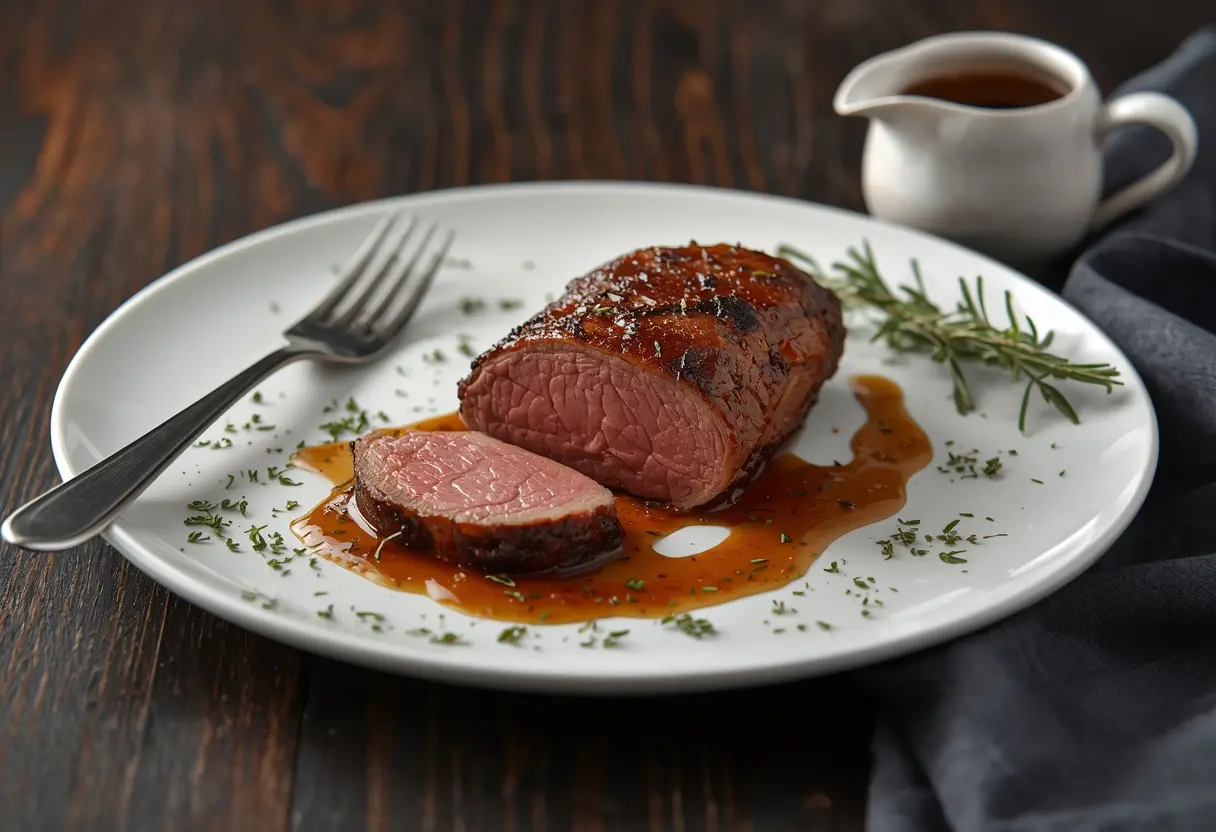
Deer meat recipes tenderloin preparation requires a delicate touch to achieve that perfect, melt-in-your-mouth texture that makes this cut so special. Whether you’re an experienced hunter or simply love wild game, mastering venison tenderloin opens up a world of sophisticated dining possibilities right in your own kitchen.
This premium cut deserves special attention to preserve its natural flavors while ensuring optimal tenderness. We’ll explore proven techniques that prevent common pitfalls like overcooking, helping you create a restaurant-quality meal that celebrates this prized cut of venison.
Prep Time: 30 minutes
Cook Time: 15-20 minutes
Total Time: 45-50 minutes
Yield: 4-6 servings
Diet: Gluten-free, Low-carb
Contents
hide
Ingredients
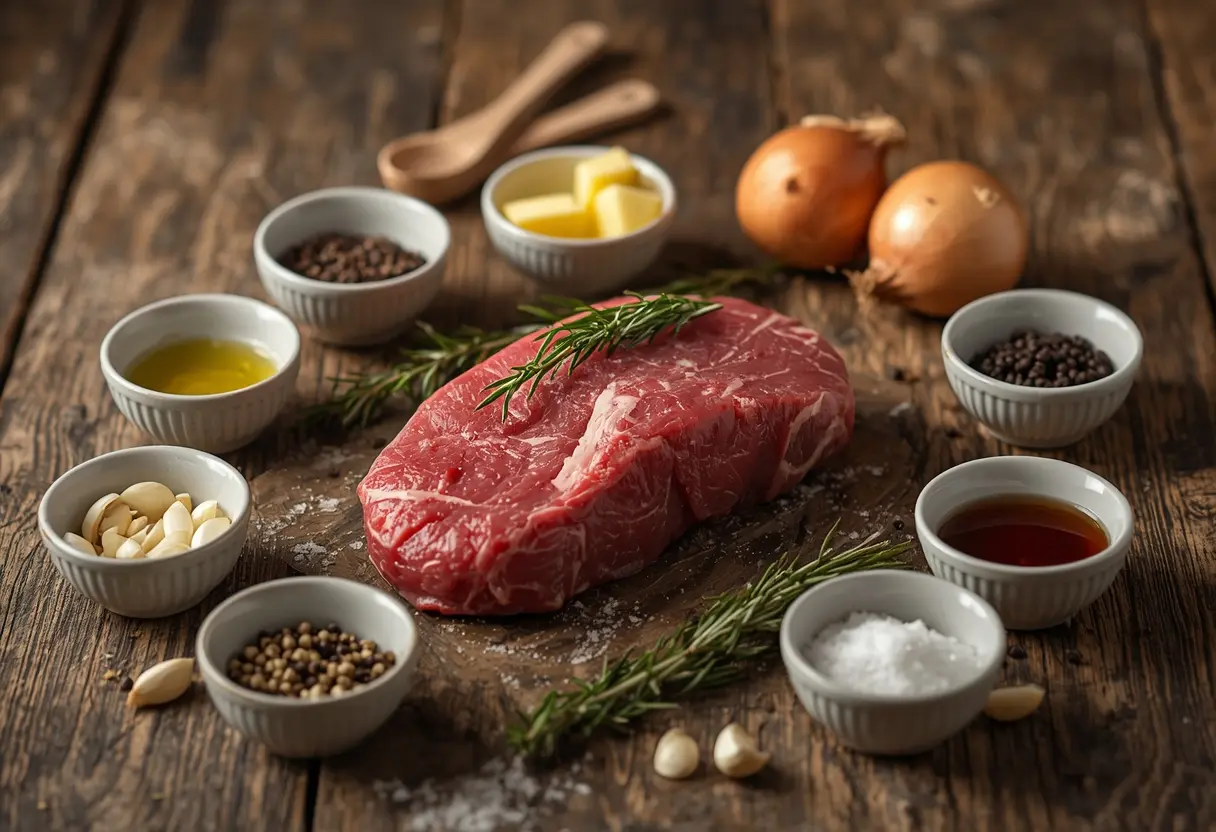
- 2 lbs venison tenderloin, silver skin removed
- 3 tablespoons olive oil
- 4 cloves garlic, minced
- 2 sprigs fresh rosemary
- 2 sprigs fresh thyme
- 2 tablespoons unsalted butter
- 1 tablespoon black peppercorns, crushed
- 1 tablespoon kosher salt
- 1 tablespoon Worcestershire sauce
- 1 shallot, finely diced
- ½ cup red wine (optional)
- ¼ cup beef broth
When selecting your venison tenderloin, look for meat that’s deep red in color without any gray areas. Fresh tenderloin should be firm to the touch and have minimal silver skin, though some trimming will likely be necessary.
The quality of your herbs makes a significant difference. Fresh rosemary and thyme are strongly recommended over dried alternatives, as they infuse the meat with more complex flavors during cooking.
If you can’t find venison tenderloin, beef tenderloin can be substituted, though cooking times will need to be adjusted slightly due to the different fat content.
For the wine component, choose a medium to full-bodied red wine that you’d enjoy drinking. A Cabernet Sauvignon or Malbec works particularly well, but any dry red wine will suffice.
Deer Meat Recipes Tenderloin: Step-by-Step Instructions
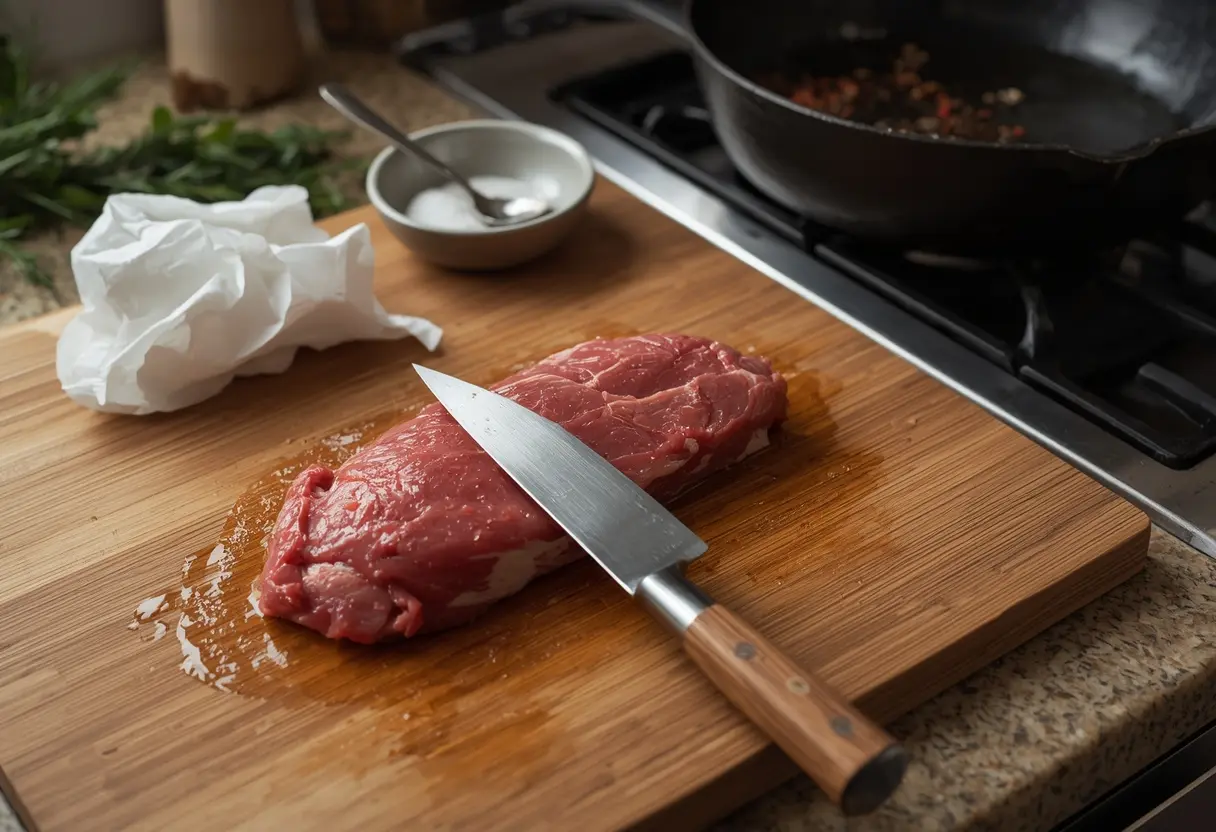
Before starting, ensure your tenderloin has reached room temperature for even cooking. This typically takes about 30-45 minutes.
- Trim all silver skin and visible connective tissue from the tenderloin using a sharp knife
- Pat the meat completely dry with paper towels to ensure proper searing
- Season generously with kosher salt and crushed peppercorns on all sides
- Heat olive oil in a large cast-iron skillet over medium-high heat until shimmering
- Sear the tenderloin for 3-4 minutes per side until a golden crust forms
- Add butter, garlic, herbs, and shallots to the pan
- Baste the meat continuously with the melted butter mixture for 2-3 minutes
- Add Worcestershire sauce and optional wine, letting it reduce slightly
- Pour in beef broth and continue cooking until desired doneness
- Remove from heat and let rest for 10-12 minutes before slicing
(You can find out more via deer meat recipes tenderloin).
For optimal results, use a meat thermometer to check internal temperature. For medium-rare, aim for 130-135°F (54-57°C). The temperature will rise another 5-10 degrees while resting.
If you notice the outside browning too quickly while the center remains too rare, lower the heat immediately and consider moving to indirect heat or finishing in a preheated oven.
(You can find out more via deer meat recipes tenderloin).
A common mistake is moving the meat too much during searing. Let it develop a proper crust before attempting to flip it. If it sticks to the pan, it likely needs more time on that side.
Tips for Perfect Results
- Always bring meat to room temperature before cooking
- Use a very sharp knife when removing silver skin to avoid meat waste
- Don’t overcrowd the pan – cook in batches if necessary
- Resist the urge to constantly flip the meat
- Let the meat rest after cooking to retain juices
- Use a meat thermometer for precise doneness
- Keep basting throughout cooking for maximum flavor
- Don’t skip the resting period after cooking
- Slice against the grain for maximum tenderness
- Save pan drippings for an excellent sauce base
The most crucial factor in cooking venison tenderloin is temperature control. Unlike beef, venison has very little fat marbling, making it susceptible to becoming tough if overcooked. Using a reliable meat thermometer is not just recommended—it’s essential.
When basting, tilt the pan slightly to pool the butter mixture, making it easier to spoon over the meat. This technique ensures even distribution of flavors and helps maintain moisture.
Serving Suggestions
Venison tenderloin pairs beautifully with robust fall and winter vegetables. Consider serving it alongside roasted root vegetables like parsnips, carrots, and fingerling potatoes seasoned with herbs that complement the meat.
A rich red wine sauce made from the pan drippings can elevate this dish to restaurant quality. Simply deglaze the pan with additional wine after removing the meat, reduce until slightly thickened, and finish with a pat of cold butter.
For a complete meal, consider adding a fresh arugula salad dressed with a light vinaigrette. The peppery notes of the greens complement the natural flavors of the venison perfectly.
Crusty artisanal bread makes an excellent accompaniment, perfect for soaking up the flavorful sauce.
Storage & Reheating
Properly stored, cooked venison tenderloin will keep in the refrigerator for up to 3 days. Always let it cool completely before storing in an airtight container.
For best results when reheating, slice the meat thinly and warm it gently in a pan with a small amount of butter or oil. Avoid microwaving as this can lead to tough, overcooked meat.
If you need to store uncooked tenderloin, it can be frozen for up to 6 months when properly wrapped. Use heavy-duty freezer paper or vacuum sealing for best results.
When thawing frozen tenderloin, always do so in the refrigerator, never at room temperature. Allow 24 hours for complete thawing.
Variations
How to Cook Deer Tenderloin with Herbs de Provence
Replace the rosemary and thyme with 2 tablespoons of Herbs de Provence for a French-inspired variation. This herb blend adds lavender notes that complement the natural sweetness of the venison.
Finish with a light sauce made from white wine and cream for an elegant twist on the classic preparation.
Grilled Venison Tenderloin Recipes with Coffee Rub
Create a robust coffee rub using ground coffee, brown sugar, garlic powder, and smoked paprika. This combination creates a beautiful crust when grilled and enhances the meat’s natural flavors. (Read also: Venison Recipes for a Wild Game Dinner)
Grill over high heat for 4-5 minutes per side for medium-rare, using indirect heat to finish if needed.
Cooking Venison Tenderloin with Asian Fusion
Marinate the tenderloin in a mixture of soy sauce, ginger, garlic, and sesame oil for 2-4 hours before cooking. This Asian-inspired version offers a delicious departure from traditional preparations.
Serve with stir-fried vegetables and steamed rice for a complete fusion meal.
Bacon-Wrapped Venison Tenderloin
Wrap the seasoned tenderloin in thin strips of bacon before cooking. The bacon adds fat and flavor while helping to keep the lean venison moist during cooking.
Secure the bacon with toothpicks and adjust cooking time to ensure both meats are properly cooked.
FAQ
What’s the ideal internal temperature for venison tenderloin?
For medium-rare, which is ideal for venison tenderloin, aim for an internal temperature of 130-135°F (54-57°C). The temperature will rise another 5-10 degrees during resting.
Should I marinate deer tenderloin before cooking?
While marinating isn’t necessary for tenderloin, a brief marinade (2-4 hours) can add flavor. Avoid marinating too long as the acid can break down this tender cut too much.
Why did my venison tenderloin turn out tough?
Tough tenderloin is usually the result of overcooking. This lean cut should be served medium-rare to maintain tenderness. Always use a meat thermometer and don’t cook beyond 140°F (60°C).
Can I cook frozen venison tenderloin?
It’s not recommended to cook frozen tenderloin as it will cook unevenly. Always thaw completely in the refrigerator before cooking for best results.
How long should venison tenderloin rest after cooking?
Allow the meat to rest for 10-12 minutes after cooking. This allows the juices to redistribute throughout the meat, ensuring a juicy result.
What’s the best way to slice venison tenderloin?
Always slice venison tenderloin against the grain and at a slight angle. Aim for slices about ½-inch thick for optimal texture and presentation.
Can I substitute other cuts for tenderloin?
While other cuts can be used, they may require different cooking methods. Backstrap is the closest substitute, though cooking times may need adjustment.
How do I know when my venison tenderloin is done?
The most reliable method is using a meat thermometer. The meat should be firm but still spring back when pressed, and the internal temperature should reach 130-135°F for medium-rare.
Recommended Kitchen Tools
- Cast-iron Skillet
- Sharp Chef’s Knife
- Cutting Board
- Meat Thermometer
- Tongs
- Basting Spoon
- Paper Towels
- Measuring Spoons
- Measuring Cups
More Recipes You May Like

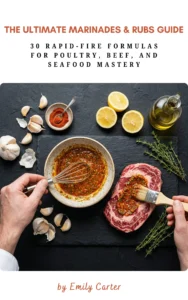
The Ultimate Marinades & Rubs Guide
To receive the book for free, please send the following information via email.
Newsletter Frequency