The Best Fluffy Pancakes recipe you will fall in love with. Full of tips and tricks to help you make the best pancakes.

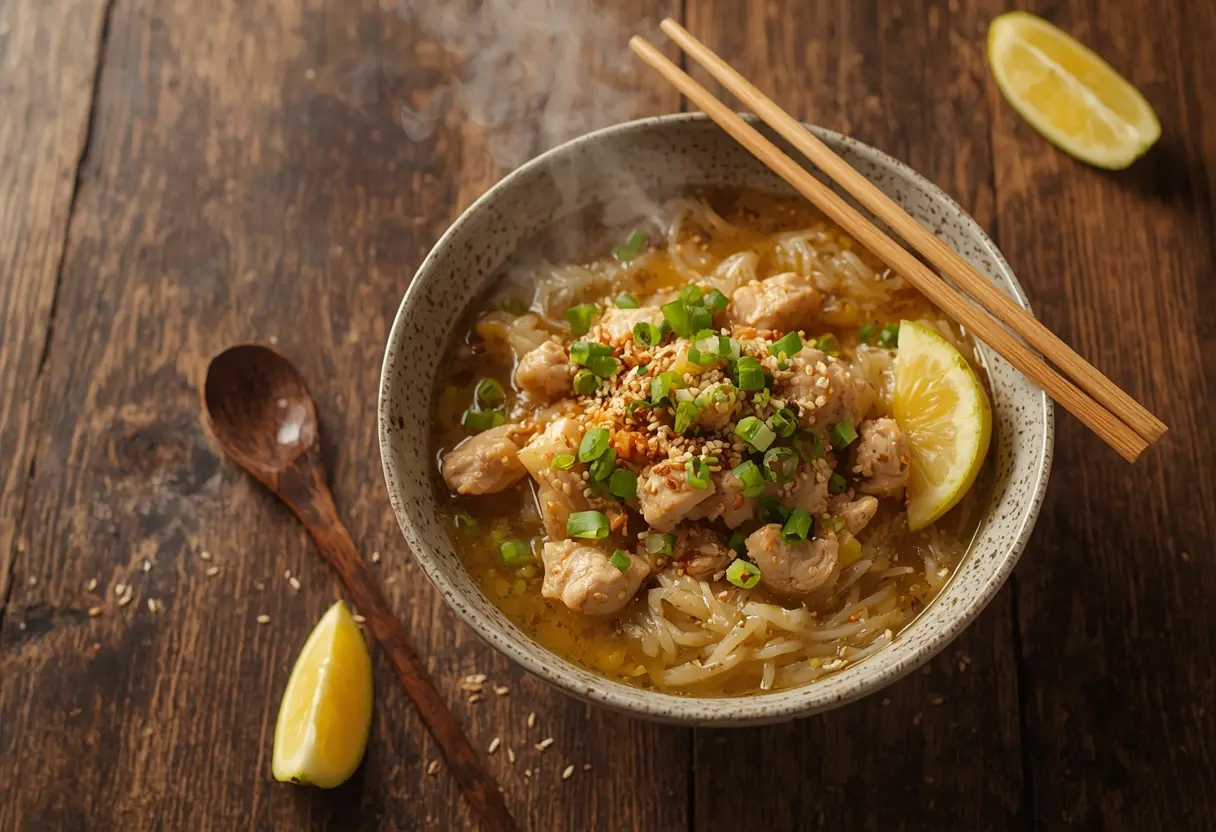
Chicken long rice recipe is a beloved Hawaiian comfort food that combines tender chicken, glass noodles, and aromatic ginger in a flavorful broth. This soul-warming dish, similar to chicken noodle soup but with distinct Asian influences, has become a staple at Hawaiian luaus and family gatherings.
Traditional Hawaiian chicken and long rice brings together Chinese glass noodles (also called bean thread noodles) with shredded chicken and a ginger-infused broth that’s both nourishing and satisfying. The “long rice” actually refers to these translucent noodles, which become silky and tender when cooked.
Prep Time: 30 minutes
Cook Time: 1 hour 15 minutes
Total Time: 1 hour 45 minutes
Yield: 6-8 servings
Diet: Dairy-free
Contents
hide
Ingredients
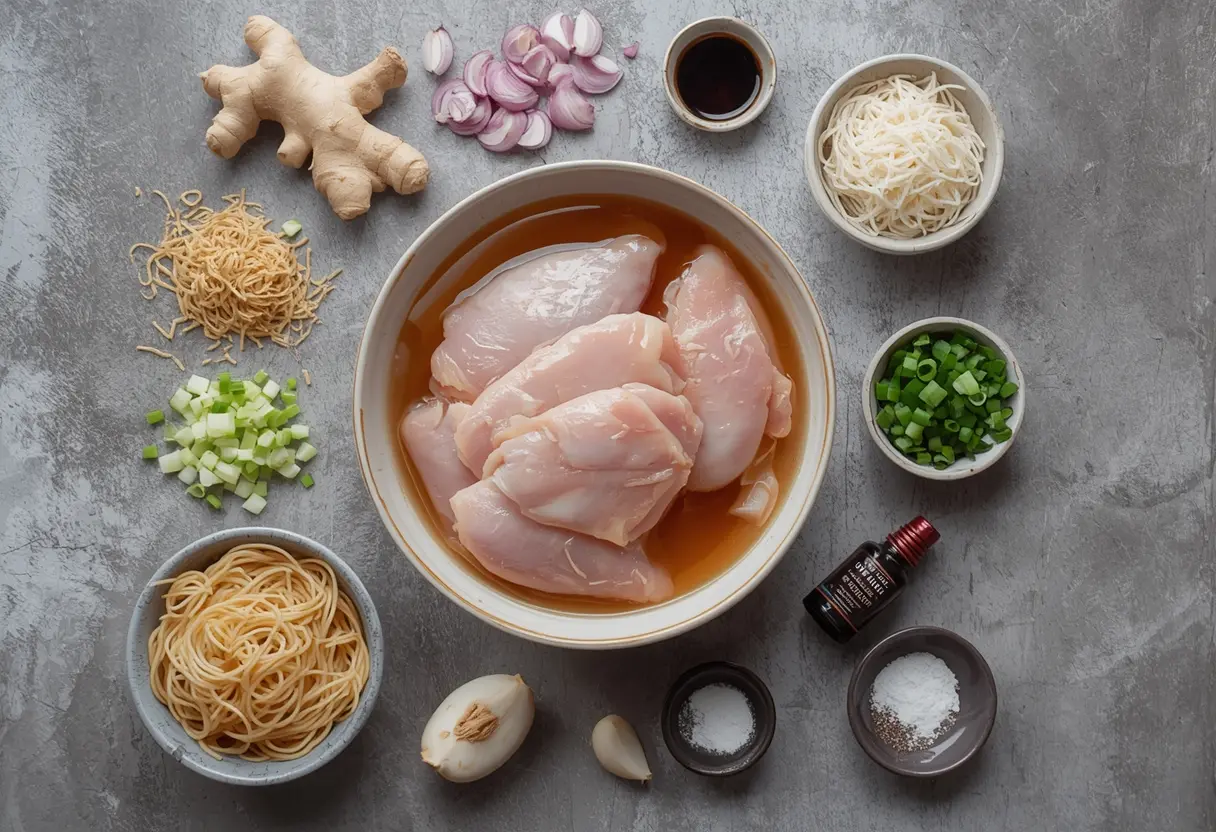
- 2 pounds bone-in chicken thighs
- 8 cups chicken broth
- 6 ounces dried bean thread noodles (long rice)
- 2 inches fresh ginger, sliced
- 3 garlic cloves, minced
- 1 medium onion, sliced
- 2 green onions, chopped
- 2 tablespoons soy sauce
- 1 teaspoon sesame oil
- Salt and black pepper to taste
- Optional: Chinese mushrooms
When selecting chicken thighs, opt for bone-in pieces as they provide more flavor to the broth. If possible, choose organic chicken for the best results.
The type of noodles you use is crucial. Look for “bean thread” or “glass noodles” in Asian markets – they’re usually packaged in small bundles and turn transparent when cooked.
Fresh ginger is essential for authentic flavor. Choose pieces that are firm and fragrant, avoiding any that feel soft or show signs of mold.
While traditional recipes keep the seasoning simple, you can find various brands of soy sauce in Asian markets. Japanese or Hawaiian-style soy sauce works best for this dish.
Chicken Long Rice Recipe: Step-by-Step Instructions
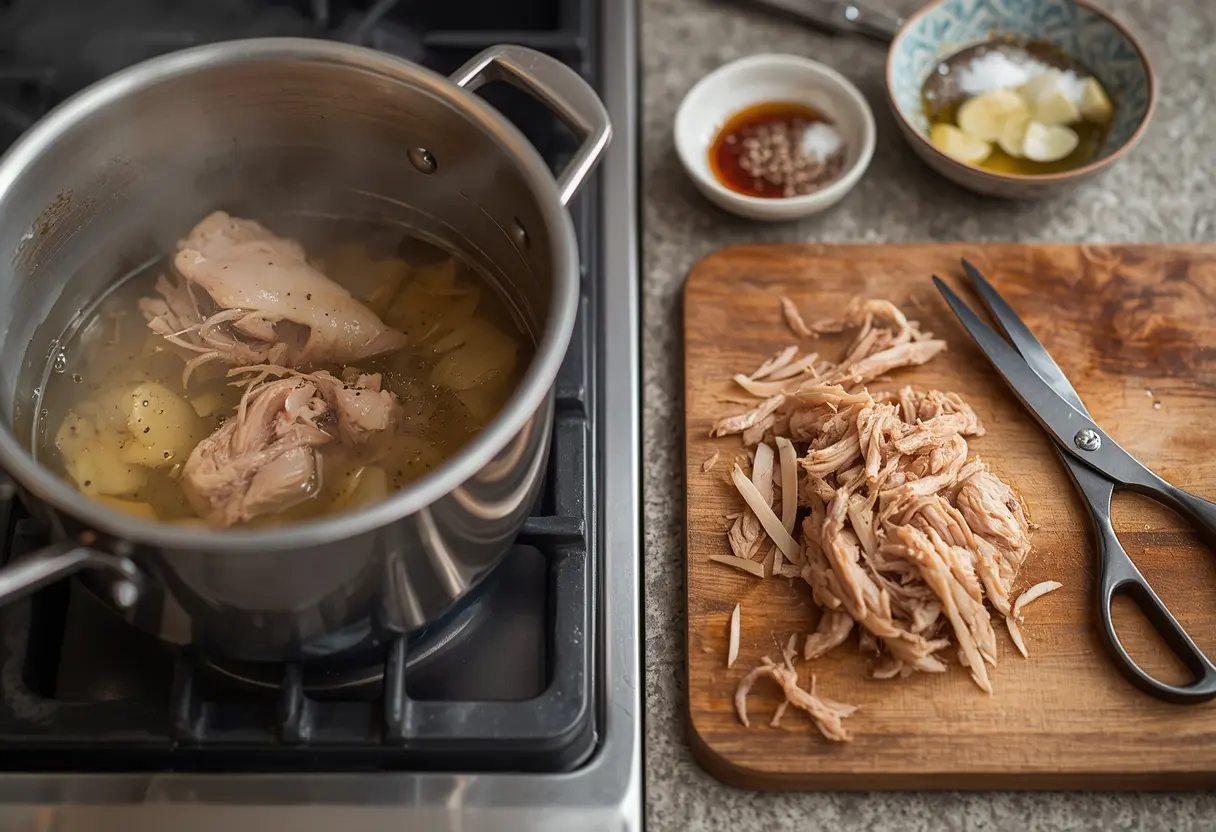
Follow these detailed steps for the perfect Hawaiian-style chicken soup that’s rich in flavor and tradition.
- Place chicken thighs in a large pot and cover with chicken broth
- Add sliced ginger, minced garlic, and onion to the pot
- Bring to a boil, then reduce heat and simmer for 45 minutes
- Remove chicken from the broth and let cool slightly
- Strain the broth to remove ginger and aromatics
- Shred the chicken meat, discarding bones and skin
- Return strained broth to the pot and bring back to a simmer
- Soak bean thread noodles in warm water for 15 minutes
- Add soaked noodles to the simmering broth
- Cook for 10-12 minutes until noodles are transparent
- Return shredded chicken to the pot
- Season with soy sauce, sesame oil, salt, and pepper
(You can find out more via chicken long rice recipe).
Watch the noodles carefully as they cook – they can quickly go from perfect to mushy. They’re done when they’re completely transparent with no white core.
If the broth seems too concentrated, add hot water a half cup at a time until you reach the desired consistency. The noodles will continue to absorb liquid as they sit.
(You can find out more via chicken long rice recipe).
A common mistake is adding the noodles too early – wait until the broth is fully flavored and strained before adding them.
Tips for Perfect Results
- Don’t skip the ginger – it’s essential for authentic flavor
- Avoid overcooking the noodles to prevent them from becoming mushy
- Let chicken cool slightly before shredding for better texture
- Strain the broth for a cleaner final presentation
- Season gradually and taste as you go
- Use bone-in chicken for richer broth
- Don’t rinse the noodles after cooking
- Add hot water if needed to adjust consistency
- Allow the dish to rest for 5 minutes before serving
- Store noodles and broth separately if not serving immediately
The key to achieving the perfect texture lies in the noodle preparation. Soaking them properly ensures they’ll cook evenly and maintain their integrity in the hot broth.
Many home cooks make the mistake of boiling the noodles too vigorously, which can break them apart. A gentle simmer is all you need.
Serving Suggestions
This Hawaiian style chicken soup is traditionally served piping hot in large bowls as a main course. Garnish with fresh chopped green onions and a light drizzle of sesame oil just before serving.
Consider serving small bowls as a starter course for a larger Hawaiian-themed meal. It pairs wonderfully with sticky rice and traditional side dishes like lomi lomi salmon or poi.
For a complete meal, offer condiments on the side such as Chinese hot mustard, additional soy sauce, or chili oil, allowing guests to adjust flavors to their taste.
On cold days, this comforting dish can be served as a healing soup, similar to how Chicken noodle soup is enjoyed in other cultures.
Storage & Reheating
If you plan to store leftover chicken long rice, it’s best to separate the noodles from the broth. The noodles will continue to absorb liquid and can become too soft if left in the broth.
Store the broth and chicken mixture in an airtight container in the refrigerator for up to 3 days. Keep cooked noodles in a separate container.
When reheating, warm the broth and chicken mixture first, then add the noodles just before serving. If the noodles have clumped together, a quick dip in hot water will help separate them.
Avoid freezing the completed dish as the noodles’ texture will deteriorate. However, the broth and chicken can be frozen separately for up to 3 months.
Variations
Classic Hawaiian Chicken Noodle Soup Style
For a more soup-like consistency, increase the broth quantity and reduce the amount of noodles. This version is closer to the traditional Hawaiian chicken noodle soup served at local restaurants.
Add extra vegetables like carrots and celery for more color and nutrition.
How to Make Chicken Long Rice with Mushrooms
Incorporate dried Chinese mushrooms by soaking them in hot water for 30 minutes before adding to the broth. They add an earthy depth to the dish.
The mushroom soaking liquid can be added to the broth for extra umami flavor.
Spicy Hawaiian Style Chicken Soup Version
Add fresh chili peppers or red pepper flakes to create a spicier variation that’s popular in modern Hawaiian cuisine.
Consider adding a touch of chili oil or Sriracha sauce for heat lovers.
Chicken and Long Rice with Fresh Herbs
Enhance the traditional recipe with fresh cilantro, Thai basil, or mint for a fragrant twist.
These herbs add brightness and complexity to the classic comfort dish.
FAQ
What exactly is “long rice” in Hawaiian cuisine?
Long rice isn’t actually rice – it’s the Hawaiian term for glass noodles or bean thread noodles made from mung bean starch. These transparent noodles are a key ingredient in this traditional dish.
Can I use chicken breast instead of thighs?
While you can use chicken breast, thighs are preferred as they stay more tender and flavorful. If using breast meat, reduce the cooking time to avoid dryness.
Why did my noodles become mushy?
Mushy noodles usually result from overcooking or soaking too long. Stick to the recommended soaking time and cook just until transparent.
How long does chicken long rice last in the refrigerator?
When stored properly with noodles separate from the broth, it will last 3-4 days in the refrigerator. Reheat only the portion you plan to eat.
Can I make this dish in advance?
Yes, but prepare the broth and chicken ahead of time and cook the noodles just before serving for the best texture.
Is this dish gluten-free?
The basic recipe can be gluten-free if you use tamari instead of regular soy sauce, as the noodles themselves are naturally gluten-free.
What makes this dish different from regular chicken noodle soup?
The glass noodles, ginger-forward flavor profile, and minimal vegetables distinguish this Hawaiian favorite from traditional chicken noodle soup.
Can I add other vegetables to the recipe?
While not traditional, you can add vegetables like bok choy, carrots, or spinach. Add them near the end of cooking to maintain texture.
Recommended Kitchen Tools
- Large Soup Pot
- Sharp Knife
- Cutting Board
- Fine-mesh Strainer
- Measuring Cups And Spoons
- Large Mixing Bowl
- Tongs
- Large Spoon
More Recipes You May Like

The Ultimate Marinades & Rubs Guide
To receive the book for free, please send the following information via email.
Newsletter Frequency