
The Best Fluffy Pancakes recipe you will fall in love with. Full of tips and tricks to help you make the best pancakes.


Meat jun recipe is a beloved Korean-Hawaiian fusion dish featuring tender slices of beef that are egg-battered and pan-fried to golden perfection. This popular local favorite combines the best of both cuisines, resulting in a satisfying meal that’s both comforting and delicious.
While this dish has its roots in Korean cuisine, it has become a staple in Hawaiian local food culture, particularly beloved in plate lunch establishments. The key to exceptional meat jun lies in the perfect marinade and the proper coating technique.
Prep Time: 4 hours (including marination)
Cook Time: 25 minutes
Total Time: 4 hours 25 minutes
Yield: 4-6 servings
Contents
hide
Ingredients
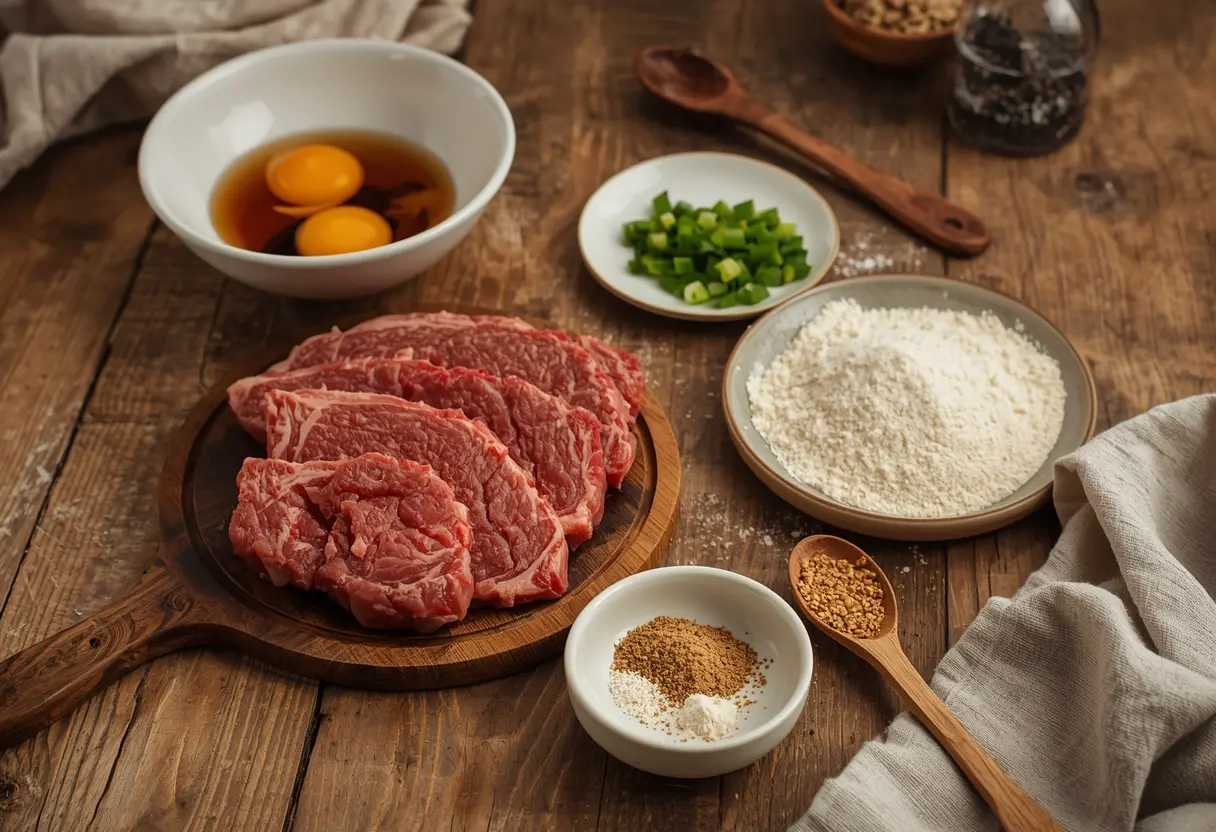
- 1 pound beef sirloin, thinly sliced
- 4 large eggs, beaten
- 1/4 cup soy sauce
- 2 tablespoons sesame oil
- 3 cloves garlic, minced
- 1 tablespoon brown sugar
- 1/2 teaspoon black pepper
- 1/2 cup all-purpose flour
- 1/4 cup vegetable oil for frying
- 2 green onions, finely chopped
- Optional dipping sauce ingredients
For best results, choose beef sirloin that’s fresh and well-marbled. If possible, ask your butcher to slice it thinly for you, or partially freeze the meat at home for easier slicing.
The quality of your soy sauce matters significantly in this recipe. Traditional Korean or Japanese soy sauce will provide the most authentic flavor profile.
Fresh eggs at room temperature will create a better coating that adheres well to the meat. Farm-fresh eggs are ideal but store-bought work perfectly fine too.
Meat Jun Recipe: Step-by-Step Instructions
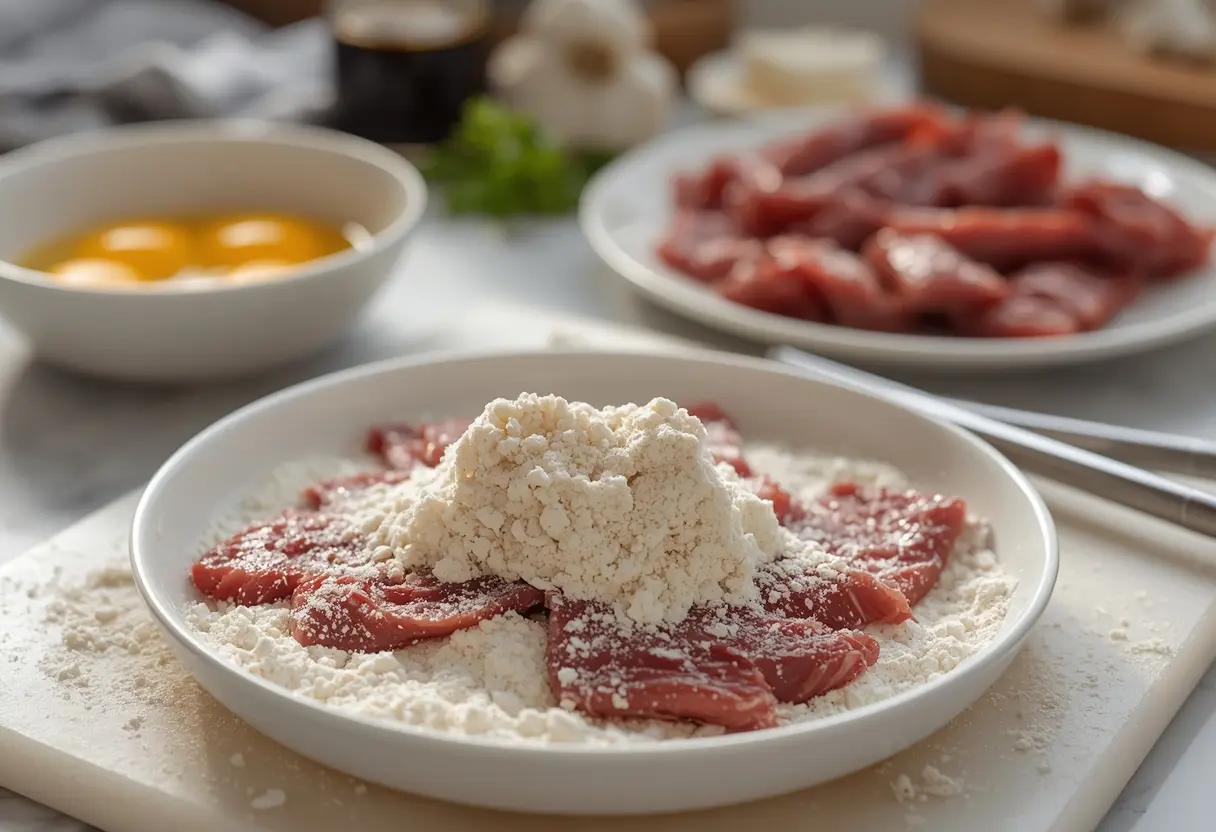
Follow these detailed steps to create perfectly tender and flavorful meat jun that rivals any Hawaiian restaurant version.
- Slice the beef against the grain into thin, uniform pieces (about 1/8 inch thick)
- Combine soy sauce, sesame oil, minced garlic, and brown sugar in a Mixing Bowls
- Marinate the beef slices for 4 hours or overnight for best results
- Beat the eggs in a Shallow Dishes For Dredging and place flour in another dish
- Remove meat from marinade and pat dry with Paper Towels
- Dredge each piece of meat in flour, shaking off excess
- Dip floured meat into beaten egg mixture, ensuring complete coverage
- Heat vegetable oil in a Large Skillet over medium-high heat
- Fry the meat pieces for 2-3 minutes per side until golden brown
- Drain on paper towels and keep warm while cooking remaining batches
The key to achieving the perfect texture is maintaining consistent oil temperature throughout the cooking process. If the oil is too hot, the egg coating will burn before the meat cooks through.
Watch for bubbling around the meat when it first hits the pan – this indicates the ideal cooking temperature. If the oil starts smoking, remove the pan from heat briefly to cool down.
Tips for Perfect Results
- Slice meat when it’s partially frozen for easier handling
- Don’t skip the marination time – it’s crucial for flavor development
- Keep the egg mixture well-stirred between batches
- Maintain oil temperature around 350°F for optimal results
- Work in small batches to avoid overcrowding the pan
- Pat the marinated meat dry before flouring
- Don’t flip the meat more than once while cooking
- Rest cooked pieces on a Wire Rack to maintain crispiness
- Use fresh oil for each new batch if cooking for a large group
- Serve immediately for best texture and temperature
One common mistake is rushing the process and not allowing the meat to marinate properly. The marinade not only adds flavor but also helps tenderize the meat, ensuring a better final texture.
Serving Suggestions
In Hawaii, meat jun is traditionally served with steamed white rice and a variety of banchan (Korean side dishes). A simple dipping sauce made with soy sauce, rice vinegar, and a touch of sugar complements the dish perfectly.
For a complete plate lunch experience, serve with macaroni salad and shredded cabbage. The contrast between the crispy meat jun and cool, creamy sides creates a satisfying meal.
Consider adding kimchi on the side for an authentic Korean touch. The tangy, spicy flavors help cut through the richness of the fried meat.
Storage & Reheating
Store leftover meat jun in an airtight container in the refrigerator for up to 3 days. Layer pieces with wax paper to prevent sticking.
To reheat, avoid using the microwave as it will make the coating soggy. Instead, place pieces on a baking sheet and warm in a 350°F oven for 8-10 minutes until heated through.
For best results, store the dipping sauce separately and bring to room temperature before serving with reheated meat jun.
Variations
How to Make Meat Jun with Chicken
Replace beef with thinly sliced chicken breast, following the same marinade recipe. Adjust cooking time to ensure chicken is completely cooked through, about 3-4 minutes per side.
Hawaiian Style Meat Jun with Pork
Use thinly sliced pork loin instead of beef. The marinade time can be reduced to 2-3 hours since pork absorbs flavors more quickly than beef.
Spicy Korean Meat Jun Marinade
Add gochugaru (Korean red pepper flakes) and minced ginger to the traditional marinade for a spicier version that’s popular in some Hawaiian restaurants.
Gluten-Free Meat Jun Adaptation
Substitute all-purpose flour with rice flour or cornstarch for a gluten-free coating that achieves similar crispiness. (Read also: How to Make Korean-Style BBQ Beef)
FAQ
What’s the best cut of beef for meat jun?
Sirloin or ribeye are ideal choices as they offer good marbling and tenderness. The key is having the meat sliced very thinly, about 1/8 inch thick.
Can I freeze meat jun?
Yes, you can freeze cooked meat jun for up to 2 months. Layer pieces with parchment paper in an airtight container. Thaw in the refrigerator and reheat in the oven.
Why isn’t my egg coating sticking to the meat?
Make sure to pat the meat dry after marinating and coat thoroughly with flour before dipping in egg. The flour helps the egg mixture adhere better to the meat.
How long should I marinate the meat?
For optimal flavor, marinate for 4-8 hours. Avoid marinating longer than 24 hours as the meat can become too salty and the texture may suffer.
Can I make the marinade ahead of time?
Yes, the marinade can be prepared up to 5 days in advance and stored in an airtight container in the refrigerator.
What oil is best for frying meat jun?
Use a neutral oil with a high smoke point such as vegetable, canola, or grapeseed oil. Avoid olive oil as it can impart unwanted flavors.
Is meat jun the same as Korean beef bulgogi?
No, while both use marinated beef, meat jun is distinctive for its egg coating and pan-frying method, while bulgogi is typically grilled without coating.
What makes Hawaiian meat jun different?
Hawaiian style meat jun typically features a slightly sweeter marinade and is often served with unique local side dishes like macaroni salad and rice.
Kitchen Tools You’ll Need
- Large Skillet
- Sharp Knife
- Cutting Board
- Shallow Dishes For Dredging
- Tongs
- Wire Rack
- Paper Towels
- Mixing Bowls
- Measuring Cups And Spoons
More Recipes You May Like




The Ultimate Marinades & Rubs Guide
To receive the book for free, please send the following information via email.
Newsletter Frequency