
The Best Fluffy Pancakes recipe you will fall in love with. Full of tips and tricks to help you make the best pancakes.

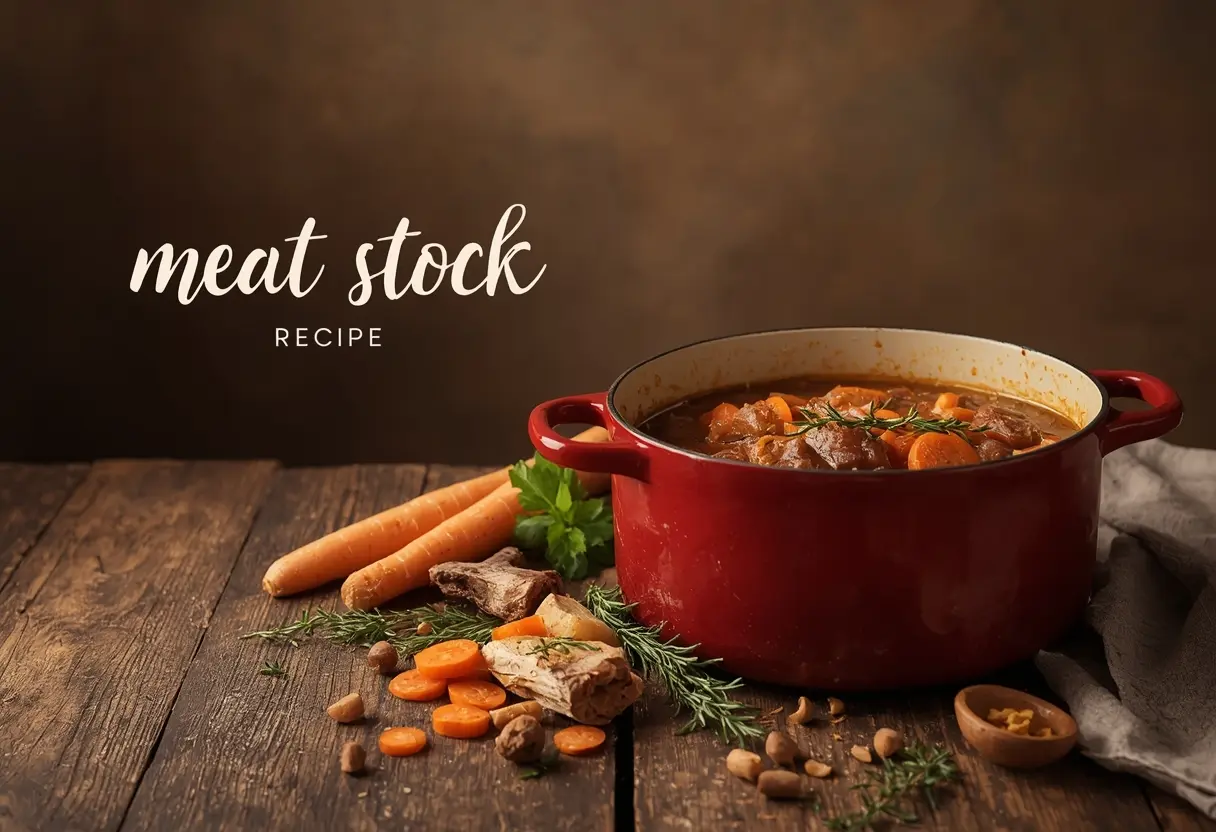
Meat stock recipe is the foundation of countless culinary masterpieces, bringing depth and richness to your home cooking. This traditional preparation method transforms humble ingredients into liquid gold, creating a versatile base for soups, sauces, and gravies that will elevate your dishes to restaurant quality.
While store-bought options exist, nothing compares to the pure, intense flavor and wholesome goodness of homemade stock. This comprehensive guide will walk you through creating a professional-quality meat stock in your own kitchen.
Whether you’re an experienced cook or just starting your culinary journey, this foolproof recipe will help you master the art of stock making, while understanding the crucial techniques that ensure perfect results every time.
Prep Time: 30 minutes
Cook Time: 6-8 hours
Total Time: 6.5-8.5 hours
Yield: 4 quarts
Diet: Gluten-free, Dairy-free
Contents
hide
Ingredients
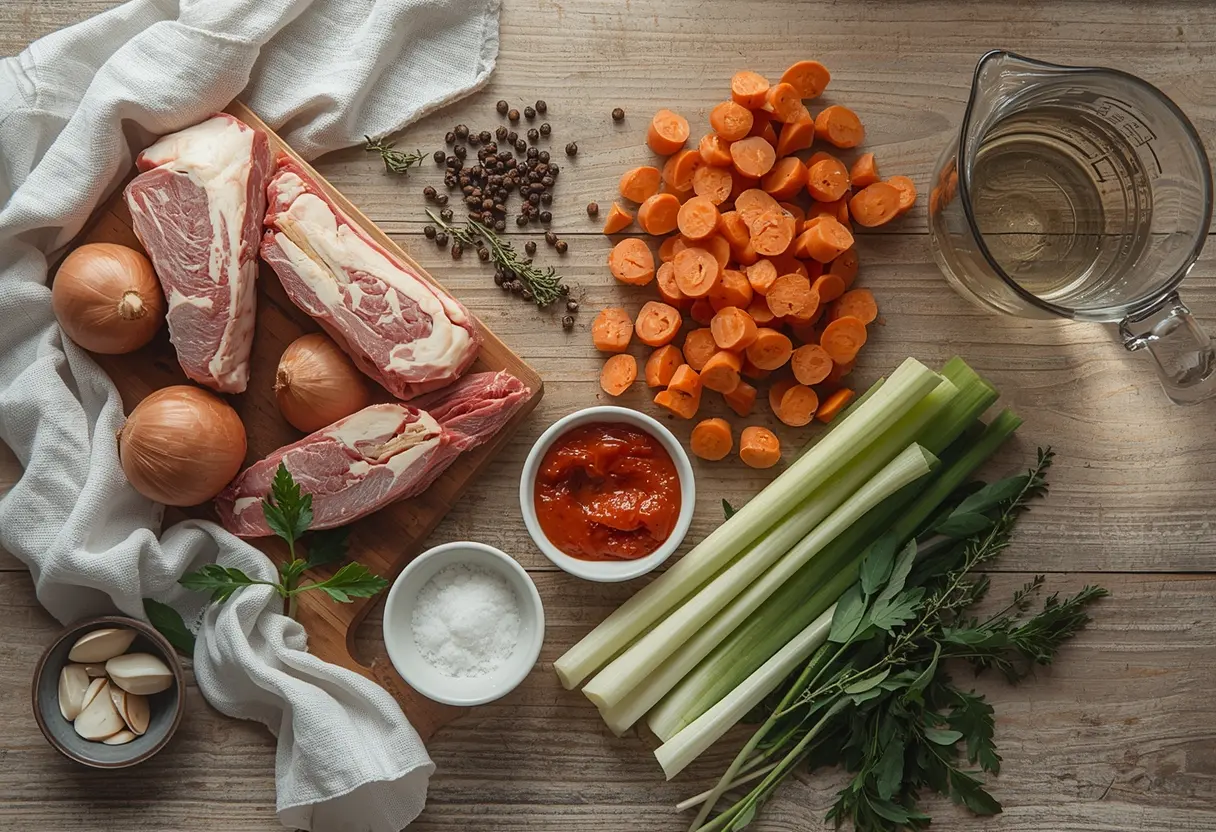
- 4-5 pounds beef bones (marrow bones, knuckle bones, and neck bones)
- 2 medium onions, quartered
- 3 medium carrots, roughly chopped
- 3 celery stalks, roughly chopped
- 2 bay leaves
- 6 black peppercorns
- 2 garlic cloves, smashed
- 2 sprigs fresh thyme
- 1 tablespoon tomato paste (optional)
- 2 tablespoons apple cider vinegar
- Cold water (enough to cover ingredients)
- 1 teaspoon sea salt (optional)
For the best results, source your bones from a local butcher who can provide grass-fed, high-quality options. The mix of different bone types ensures a perfect balance of flavor and gelatin content.
Fresh vegetables are crucial for developing complex flavors. While older vegetables can be used, avoid anything showing signs of spoilage.
The apple cider vinegar is non-negotiable – it helps extract minerals and collagen from the bones, though you won’t taste it in the final product.
If you can’t find specific bones listed, oxtail makes an excellent substitute and adds tremendous flavor.
Meat Stock Recipe: Step-by-Step Instructions
Follow these detailed steps to create a rich, clear stock that gels beautifully when chilled – a sign of properly extracted collagen.
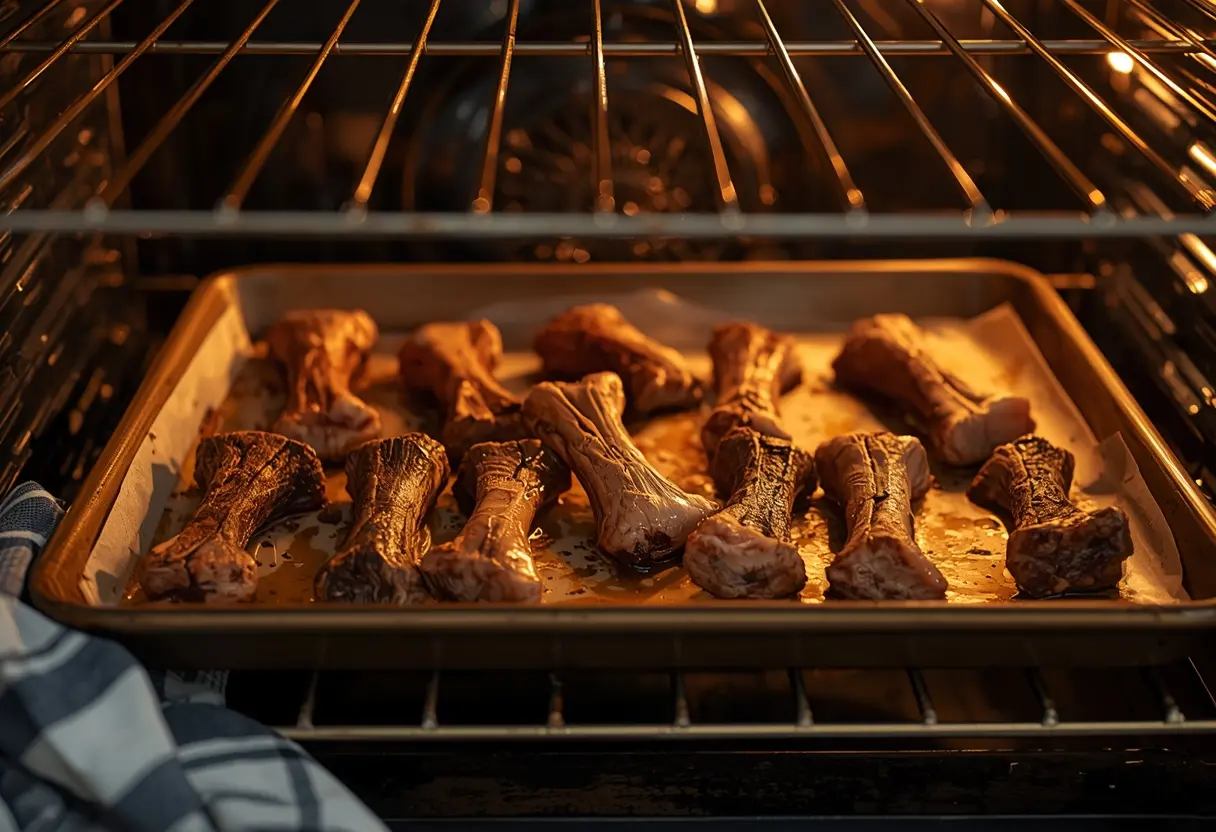
- Preheat your oven to 400°F (200°C) and arrange the bones on a baking sheet.
- Roast the bones for 45-60 minutes, turning halfway through, until deeply browned.
- Transfer the roasted bones to a large stockpot and deglaze the baking sheet with hot water.
- Add the vegetables, herbs, and spices to the pot.
- Pour in cold water until ingredients are covered by about 2 inches.
- Add apple cider vinegar and let stand for 30 minutes.
- Bring to a gentle simmer over medium heat, skimming any foam that rises.
- Reduce heat to low and maintain a bare simmer – small bubbles only.
- Cook for 6-8 hours, occasionally skimming surface impurities.
- Strain through a fine-mesh strainer into a large bowl.
- Let cool slightly before refrigerating.
(You can find out more via meat stock recipe).
Watch for the tell-tale signs of proper simmering – tiny bubbles breaking the surface occasionally, not a rolling boil. If the stock boils vigorously, it will become cloudy and may develop off-flavors.
The color should gradually deepen to a rich brown, and the aroma should be intensely meaty and complex. If the liquid reduces too quickly, add more cold water to keep the ingredients covered.
(You can find out more via meat stock recipe).
Don’t rush the skimming process – removing impurities during the first hour is crucial for achieving that professional-quality clear stock.
Tips for Perfect Results
- Always start with cold water to promote slow protein release
- Never stir the stock while simmering
- Keep temperature consistent – no rapid temperature changes
- Remove fat after chilling for the cleanest flavor
- Don’t add salt until the final reduction stage
- Use heavy-bottomed pots to prevent scorching
- Avoid washing bones before roasting
- Don’t overcrowd the pot – water should flow freely
- Strain progressively – first coarse, then fine
- Cool quickly by placing the bowl in an ice bath
The most common mistake is boiling instead of simmering. A gentle simmer extracts flavor gradually while maintaining clarity. If your stock turns cloudy, strain it through a coffee filter for clarity.
For maximum gelatin extraction, crack larger bones to expose the marrow before roasting. This professional technique significantly improves both flavor and body.
Serving Suggestions
Use your homemade stock as a foundation for classic French onion soup, enriching the broth with caramelized onions and crusty bread. Its robust flavor makes it perfect for reducing into pan sauces.
Create luxurious gravies by combining the stock with pan drippings from roasted meats. The natural gelatin content will give your sauce the perfect consistency without additional thickeners.
Add depth to risottos and pilafs by using your stock instead of water. The rich mouthfeel transforms simple grain dishes into memorable meals.
For a nourishing hot beverage, warm the stock gently and season with fresh herbs and a pinch of sea salt.
Storage & Reheating
Cool the stock completely before refrigerating. A properly made stock will develop a layer of fat on top – don’t remove it until you’re ready to use the stock, as it acts as a natural seal.
Store in airtight containers in the refrigerator for up to 5 days. For longer storage, freeze in portions using freezer-safe containers or ice cube trays for up to 6 months.
When reheating, do so gently over low heat to preserve the delicate flavors. Never boil the stock after it’s been made – this can damage its carefully developed flavor profile.
If frozen, thaw overnight in the refrigerator rather than using quick-thaw methods.
Variations
How to Make Meat Stock with Roasted Vegetables
Roast the vegetables alongside the bones until caramelized for deeper flavor. This creates a darker stock perfect for gravies and braising liquids.
Add a tablespoon of tomato paste to the vegetables during the last 10 minutes of roasting for additional richness and color.
Homemade Beef Stock Recipe with Asian Aromatics
Include ginger, star anise, and lemongrass for an Asian-inspired stock perfect for pho and other Asian soups. (Read also: How to Make a Perfect Beef Broth)
Replace traditional herbs with green onions, cilantro stems, and dried mushrooms for authentic Asian flavors.
Making Your Own Beef Broth with Enhanced Umami
Add dried mushrooms, seaweed, or a small piece of parmesan rind during the last hour of cooking for increased umami depth.
A splash of fish sauce or coconut aminos in the finished stock amplifies the savory notes without adding distinct flavors.
Meat Stock Recipe from Scratch with Root Vegetables
Incorporate parsnips, turnips, and rutabaga for a sweeter, more complex flavor profile.
These root vegetables add natural sweetness that balances the rich meat flavors perfectly.
FAQ
Can I make meat stock in a slow cooker?
Yes, but extend the cooking time to 12-24 hours on low setting, and roast the bones beforehand for best results.
Why isn’t my stock gelling when chilled?
This usually indicates insufficient collagen extraction – try adding more joint bones and ensuring a proper gentle simmer.
Should I add wine to my stock?
While optional, a cup of dry red wine added after roasting the bones can enhance flavor complexity. Simmer until the alcohol evaporates before adding water.
How can I reduce saltiness in stock?
Add a peeled potato during cooking to absorb excess salt, or dilute with unsalted stock or water.
What’s the difference between stock and broth?
Stock is made primarily from bones and is unseasoned, while broth uses more meat and is typically seasoned during cooking.
Can I reuse bones for a second batch?
While possible, a second batch will have significantly less flavor and gelatin content. It’s best to use fresh bones each time.
Why skim the foam off the top?
The foam contains impurities that can cloud the stock and create off-flavors. Removing it ensures a clearer, cleaner-tasting final product.
Is it normal for the stock to look oily?
Yes, the fat will rise to the top when chilled. Simply remove it with a spoon before using or leave it for natural preservation.
Recommended Kitchen Tools
- Large Stockpot
- Fine-mesh Strainer
- Wooden Spoon
- Sharp Knife
- Cutting Board
- Ladle
- Large Bowl
- Skimmer Or Spoon
- Measuring Cups
- Storage Containers
More Recipes You May Like





The Ultimate Marinades & Rubs Guide
To receive the book for free, please send the following information via email.
Newsletter Frequency